What Makes Retrofitting Old Buildings for Heat Pumps So Expensive

Paul Eriksson
July 9, 2026
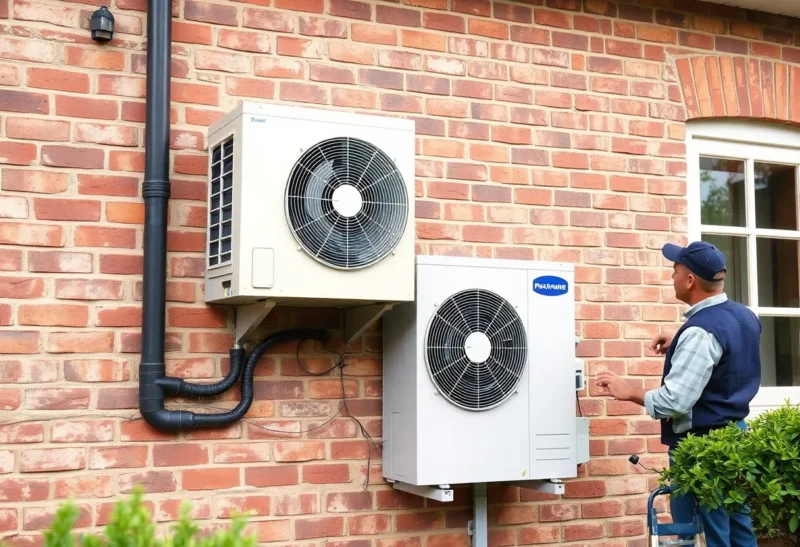
Heat pumps have a strong, well-documented efficiency case for new construction, where a building’s electrical, ductwork, and insulation systems can be designed around the technology from the start. Retrofitting that same technology into an older building — a category that includes a large share of the housing stock in most cities with any real history — turns out to be a substantially more expensive and technically complicated proposition, and the specific reasons why explain a lot about why heat pump adoption rates differ so much between new builds and existing homes.
Electrical Capacity Is Often the First Wall Homeowners Hit
Heat pumps, unlike gas furnaces, run entirely on electricity, and depending on system size and configuration, they can draw considerably more electrical load than what an older home’s existing electrical panel and wiring were originally sized to handle, especially in homes built decades ago when typical household electrical demand was far lower than it is today. A panel upgrade — replacing an older, lower-capacity electrical panel with a modern one rated for higher amperage — is frequently a prerequisite step for a heat pump retrofit that has nothing directly to do with the heat pump itself, but adds a real, sometimes substantial cost (and in older homes, sometimes triggers additional required electrical code compliance work elsewhere in the house) before the actual heating system installation even begins.
This electrical capacity issue is disproportionately common in older urban housing stock and older homes generally, where original electrical service was often sized for a mid-20th-century household’s much lower electrical demand and was never substantially upgraded through the building’s subsequent history, making the panel upgrade step a near-universal added cost for heat pump retrofits in that specific category of building, even though it’s rarely accounted for in headline heat pump pricing comparisons that assume adequate existing electrical capacity.
Ductwork Compatibility Is a Second Major Cost Driver
Ducted heat pump systems need ductwork sized and configured appropriately for the different airflow characteristics heat pumps produce compared to the forced-air furnace systems many older homes were originally built around — heat pumps generally move larger volumes of air at lower temperatures than a gas furnace does, which means ductwork originally sized for a furnace’s airflow profile often needs modification, resizing, or in some cases complete replacement to work efficiently with heat pump equipment rather than simply having the old equipment swapped for new equipment on the same ducts.
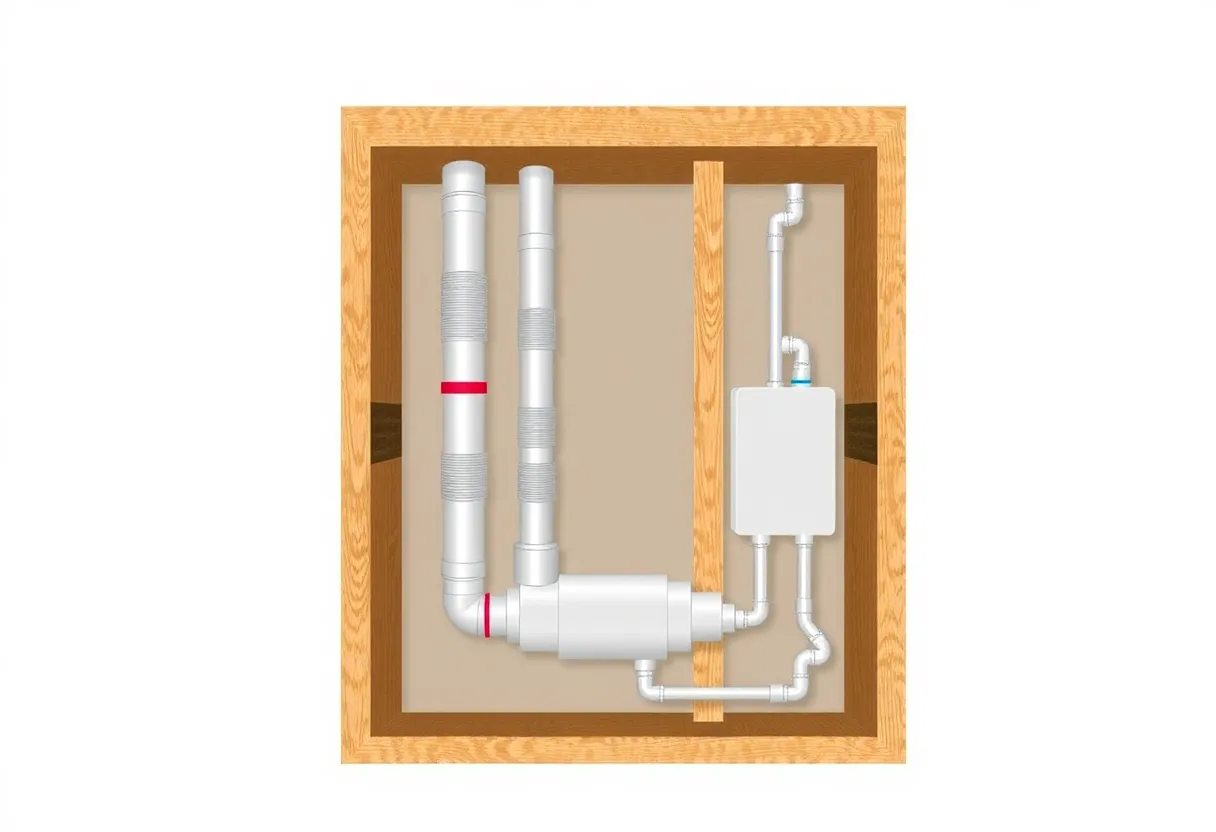
Homes with no existing ductwork at all — common in older homes that were originally heated by radiators, boilers, or other non-forced-air systems — face an even larger cost gap, since installing entirely new ductwork through finished walls and ceilings in an already-built structure is dramatically more expensive and invasive than routing ductwork during original construction, when it can be planned into wall cavities and floor systems before finishes go up. This is a major reason why ductless mini-split heat pump systems (which use individual wall-mounted or ceiling-mounted units connected by small refrigerant lines rather than ductwork) have become the dominant heat pump retrofit solution for older, non-ducted homes specifically — they sidestep the ductwork cost problem entirely, at the cost of a less centralized, room-by-room system design that some homeowners find less convenient than whole-house ducted heating and cooling.
Building Envelope Quality Changes the Whole Cost-Benefit Calculation
Heat pump efficiency and comfort performance depend heavily on a building’s insulation and air-sealing quality, because heat pumps generally produce heat at a lower output temperature than a gas furnace does, meaning a poorly insulated home loses that lower-temperature heat to the outside faster than it might notice with a higher-output furnace masking the same underlying insulation problem. Older homes frequently have meaningfully worse insulation and air sealing than modern construction standards require, both because insulation technology and building codes have improved substantially over recent decades and because insulation degrades and settles over a building’s lifespan if it isn’t specifically maintained or upgraded.
This means a heat pump retrofit project undertaken without addressing underlying insulation and air-sealing problems can genuinely underperform expectations on comfort and efficiency, which has pushed many energy efficiency programs and heat pump retrofit guidance to recommend weatherization improvements (added insulation, air sealing, sometimes window upgrades) as a companion step alongside the heat pump installation itself — a bundled recommendation that improves the heat pump’s real-world performance but also meaningfully increases the total retrofit project cost beyond just the heating equipment itself.
Cold-Climate Performance Adds Its Own Equipment Cost Premium
Older heat pump technology suffered a genuine efficiency drop-off in very cold outdoor temperatures, which for years limited heat pump adoption in colder climates to supplemental use alongside a backup heating system rather than as a sole heat source. Modern cold-climate heat pump models have substantially closed this performance gap through improved compressor technology and refrigerant management, maintaining much better efficiency and output at low outdoor temperatures than older generations of the technology could manage.
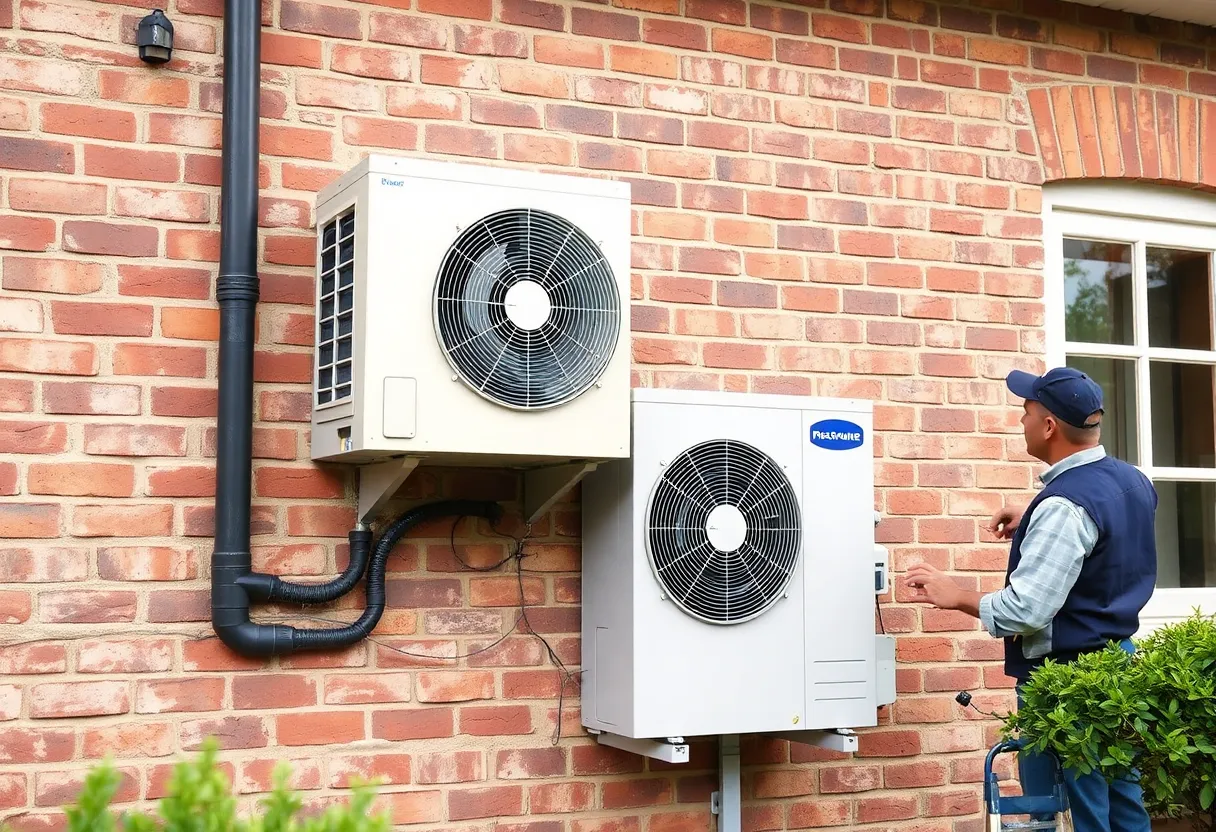
But these cold-climate-rated units generally carry a real price premium over standard heat pump equipment, and homeowners retrofitting an older home in a genuinely cold climate need to weigh that premium equipment cost against either accepting reduced cold-weather performance from standard equipment or maintaining a backup heat source for the coldest days of the year, an added system complexity and cost that homeowners in milder climates retrofitting the same building type simply don’t need to factor in.
Why Rebate and Incentive Programs Try to Offset This, With Mixed Success
Governments and utilities in many regions have specifically targeted rebate and incentive programs at heat pump retrofits precisely because policymakers recognize this cost gap discourages adoption in exactly the older building stock where replacing fossil fuel heating has the largest potential climate benefit, given how much existing older housing there is relative to new construction in most established cities. These programs have measurably improved retrofit economics for many homeowners, but program availability, funding levels, and specific eligibility requirements vary considerably by location and change over time with policy and budget cycles, meaning the actual out-of-pocket cost gap between a straightforward new-construction heat pump installation and a complex older-home retrofit remains substantial and unpredictable for many homeowners even where incentive programs exist, rather than a gap that’s been fully closed by policy support at a national level.