A 40-amp Level 2 charger vs the dryer outlet already in the garage: what the electrician actually changes

Nina Okafor
September 23, 2026
The garage already has a dryer outlet. The internet says you can plug a Level 2 EVSE into it and skip the electrician. The electrician, if you call one, talks about load calculations, breaker panels, and whether “40-amp” is a sticker fantasy on a circuit that was never yours to reinterpret. Both conversations can be true in different houses. The useful question is what actually changes on the wall—and what only feels free until an inspector, an insurer, or a melted plug becomes the curriculum.
I have watched people buy a sleek 40-amp wall charger and discover their panel cannot feed it without a service upgrade. I have also watched people run happily for years on a NEMA 14-50 that was installed for a dryer and repurposed with care. The difference is not vibes. It is conductors, breakers, duty cycle, and whether anyone sized the circuit for continuous loads.
What “40-amp Level 2” means in practice
A 40-amp EVSE typically wants a 50-amp breaker and appropriately sized wire under common continuous-load rules (EV charging is treated as continuous in many jurisdictions). The charger may advertise 40A output while the circuit protection sits higher. That is normal—and it is why swapping a dryer plug for a hardwired 40A unit is not a neutral act. You are asking the house for a sustained high current every night, not a forty-minute tumble dry.
Hardwired units skip the plug/inlet contact resistance story. Plug-in units on 14-50 outlets are common and legitimate when the outlet, cord, and strain relief are quality and the circuit is correct. Cheap outlets and loose torque are how garage fires get boring NTSB-adjacent writeups.
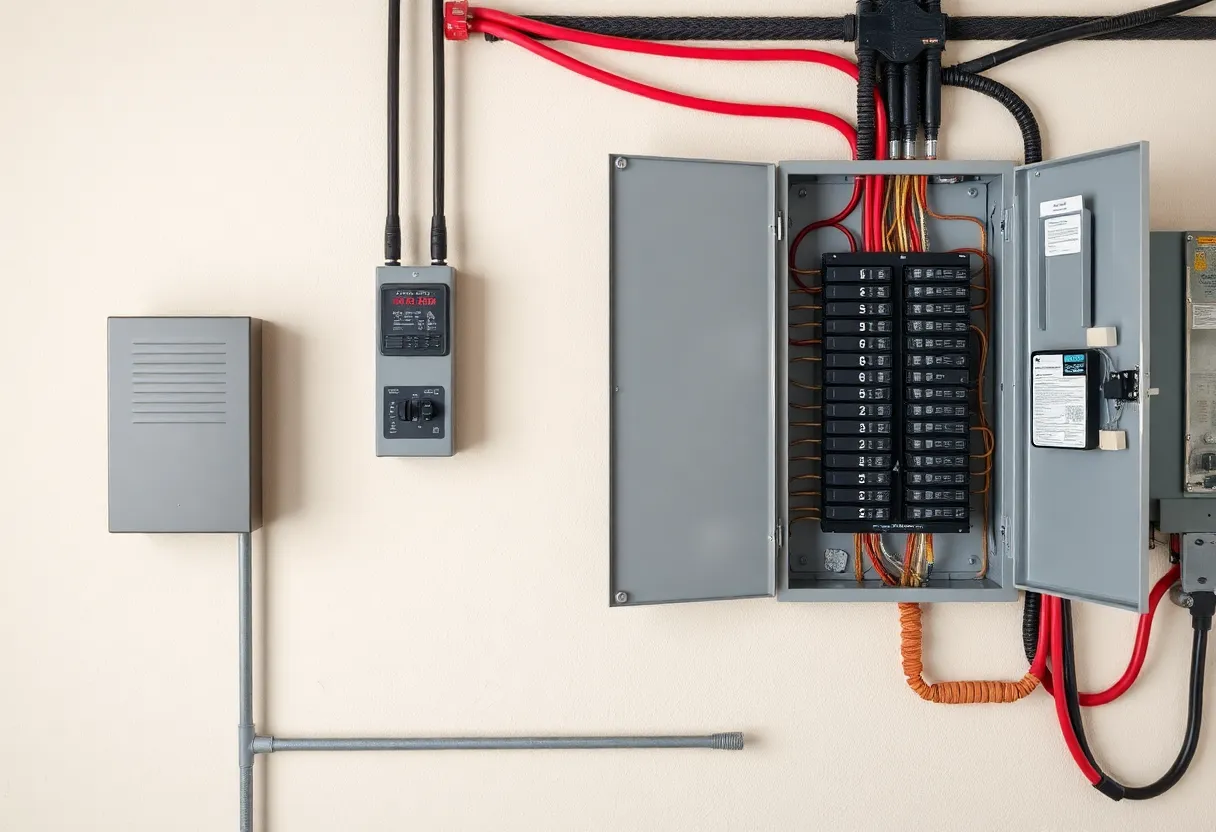
What the dryer outlet already is
A typical dryer receptacle (often NEMA 14-30 in older US homes, sometimes 14-50 in newer or range-adjacent setups—verify, do not assume) was sized for an appliance with a different usage pattern. Reusing it for EV charging can work if:
- The receptacle type matches the EVSE cord exactly.
- The breaker and wire gauge match the continuous EV load rules for the amperage you will actually draw.
- You are willing to share or abandon the dryer on that circuit—or you never needed that dryer outlet anyway.
- The outlet is in good condition, properly grounded, and torque-checked.
If your “dryer outlet” is a 30-amp circuit, a 40-amp charger does not magically fit. You either derate the EVSE software to a lower current the circuit can legally support, or you run new cable. Marketing that ignores the breaker label is how people create hazards.
What the electrician actually changes
On a clean install, the visible work is boring and expensive in the right places:
- Load calculation: Do other large appliances collide with overnight charging on a small service?
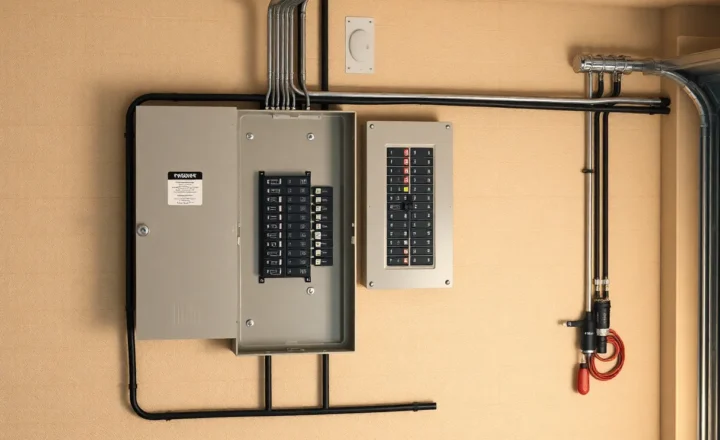
- Breaker space: Is there a slot? A tandem fantasy? A full panel that forces a subpanel conversation?
- Wire run: Length, conduit, garage walls, and whether fishing cable costs more than the charger.
- Disconnect/location rules: Local code may want a shutoff in sight of the equipment.
- Permits/inspection: The unsexy step that makes insurers less imaginative later.
Sometimes they change almost nothing but a receptacle and a label—because the circuit was already a correct 50A run to the garage. Sometimes they change the service mast. The quote variance is not greed by default; it is discovery. Ask for the load calc assumptions in writing. Good electricians can explain which appliances were counted and which simultaneous-use diversity factors they applied.
Adapters, sharing, and the false economy
Dryer-to-EV adapter dongles exist in a gray fog of quality. Some are fine for temporary travel use. Building a permanent charging life on a stack of adapters is how contact resistance becomes heat. If you need to share a 14-50 between a dryer and a car, use a listed transfer solution or accept a schedule—not a spaghetti of unlisted converters. The electrician’s change might be installing an interlock or a second circuit so you stop playing plug lottery.
HOA and rental constraints matter too. A renter may be limited to cordset charging on an existing outlet the landlord approves. A homeowner may prefer hardwired for resale optics. The physics remains the same; the paperwork differs.
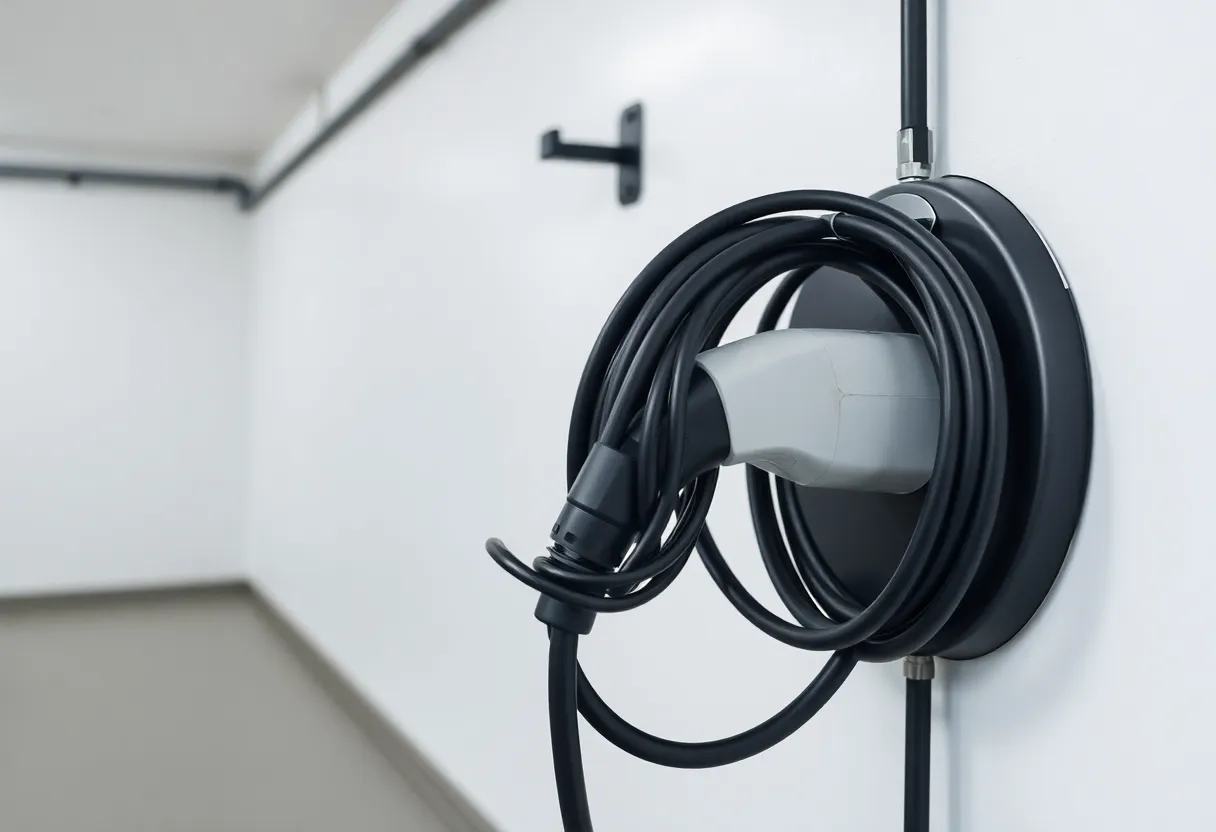
Plug-in on 14-50 vs hardwired 40A
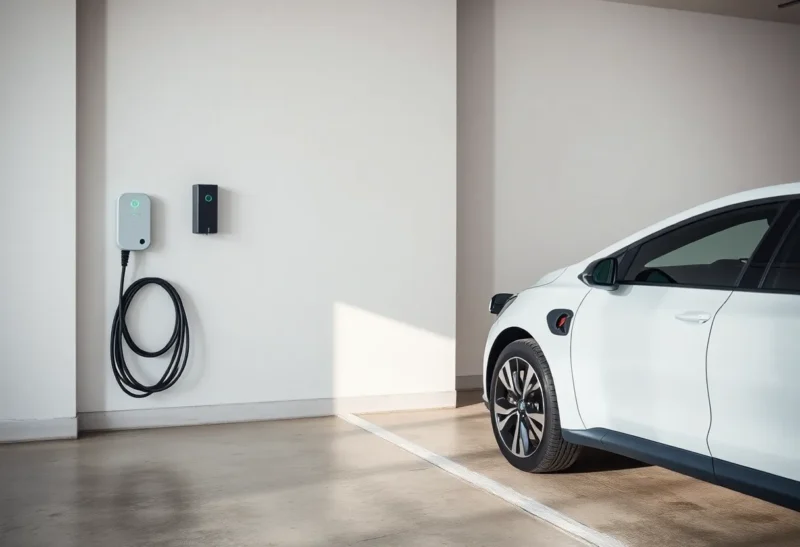
Plug-in wins when you might move, when you want to take the EVSE to another site, or when a quality 14-50 already exists for a previous EV or welder. Hardwired wins when you want fewer contact points, a cleaner wall, and a permanent amp setting without cord theater. Neither is morally superior. A bad hardwired job beats a good plug-in story only in aesthetics—not in physics.
If you choose plug-in, buy a commercial-grade receptacle, use the retaining clamp, avoid adapter pyramids, and do not coil excess cord into a heat nest while charging at high current.
Derating: the adult alternative to a panel upgrade
Many wall chargers let you set max current. A house that cannot support 40A continuously may happily support 24–32A overnight—still transformative versus Level 1. The electrician’s job might be “install a correct 40A-capable circuit” or “validate a 30A circuit and configure the EVSE down.” The second can be the smarter spend if your daily miles are modest.
Match the car: some EVs accept high AC rates they will never need for commute math. Charge rate is a schedule problem as much as a hardware problem. A 24A overnight charge that recovers your daily commute plus buffer beats a 40A circuit you cannot feed without a service upgrade you do not want to fund this year.
Utility rates and timers (the non-wire variables)
What the electrician changes is copper and breakers. What you change afterward is software: vehicle charge limits, EVSE schedules, and utility off-peak windows. A correctly wired 32A circuit used only at noon on peak rates can cost more than a modest circuit used at night. Align amperage with tariff before you romanticize maximum continuous current.
When the dryer-outlet path is reasonable
Use the existing outlet when a qualified person confirms the circuit rating, the receptacle matches, the dryer is not fighting the car for the same breaker, and you configure amperage honestly. Do not rely on a forum photo of someone else’s panel.
When you should stop DIY-romanticizing
Aluminum branch wiring mysteries, Federal Pacific panels, saturated 100A services, unfinished garages with sketchy prior work—these are electrician territory. A 40-amp sticker is cheaper than a claim. If your utility offers a rebate for permitted installs, that can erase the emotional premium of “I already have an outlet.”
Inspection day and the paperwork you want later
Permits feel like friction until you sell the house or file an insurance question after a garage incident. An inspected EV circuit with labeled breakers is a story you can hand to a buyer. An anonymous dryer-outlet conversion with a forum BOM is a story that invites discounts. Even if your jurisdiction is lax, photograph the wire gauge, breaker ampacity, and torque marks. Future-you is an unreliable narrator.
Smart EVSEs add Wi-Fi, app schedules, and power metering. Those features do not replace correct wiring. They do help you verify that “40A” is not what the car is actually drawing after you derate—useful when the electrician leaves and you still need to match theory to the utility bill.
A practical decision sequence
- Read the breaker and wire—not the charger box.
- Decide daily kWh need from your commute, not from peak marketing kW.
- Price a derated use of a verified circuit versus a new home run.
- Get one load calculation from a local electrician before buying the handsome 40A unit that forces a $4,000 surprise.
- Permit when required. Label the circuit. Torque the lugs.
The dryer outlet is not a free Level 2. It is an existing branch circuit with a history. A 40-amp charger is not a personality. It is a continuous load asking the panel a serious question. What the electrician actually changes is whatever stands between that question and a safe answer—sometimes a receptacle, sometimes a subpanel, sometimes the plan to charge at 40A at all.
Buy the charger after the circuit truth, not before. The garage will still be there tomorrow. The correct cable size will not appear because the product page was optimistic. If a salesperson leads with the EVSE skin and never asks about your panel, you are in a retail conversation, not an electrical one. Flip the order: panel truth, amperage need, then hardware. That sequence is what separates a weekend install from a multi-thousand-dollar surprise framed as “just adding a charger.”