Charging an EV to 80% every night vs plugging in only under 30%: what that does to the routine

Nina Okafor
September 23, 2026
Two charging religions fight in EV forums. One plugs in every night and stops at 80% like a ritual. The other treats the cord like a gas pump: only connect when the battery is low—say under 30%—and then take a bigger gulp. Both can be kind to lithium-ion calendars. They produce very different mornings, different anxiety curves, and different relationships with home power.
This is not a chemistry lecture pretending to be lifestyle advice. It is about what the habit does to your week: whether you ever think about range on a random Tuesday, whether guests can borrow the car, and whether you are optimizing for battery slides or for a brain that has other jobs.
What nightly 80% actually optimizes
A daily plug-in with an 80% charge limit keeps the pack out of the top extreme most nights and keeps usable range predictable. You leave home with roughly the same energy each morning. Surprise errands hurt less. The car is a appliance with a known state of charge, like a phone on a nightstand.
Battery-wise, avoiding prolonged 100% soaks is the usual OEM guidance for many chemistries, especially if the car will sit. Nightly charging to a moderate limit also means shallower cycles if you only burn 15–25% per day—often gentler than deep swings. You are not “wasting” electrons by topping up; you are resetting a buffer.
The routine cost is behavioral: you must plug in. Forget once after a long day and you notice. You also need a convenient cord path. If parking is street-only, nightly 80% may be a fantasy that belongs to driveway owners.
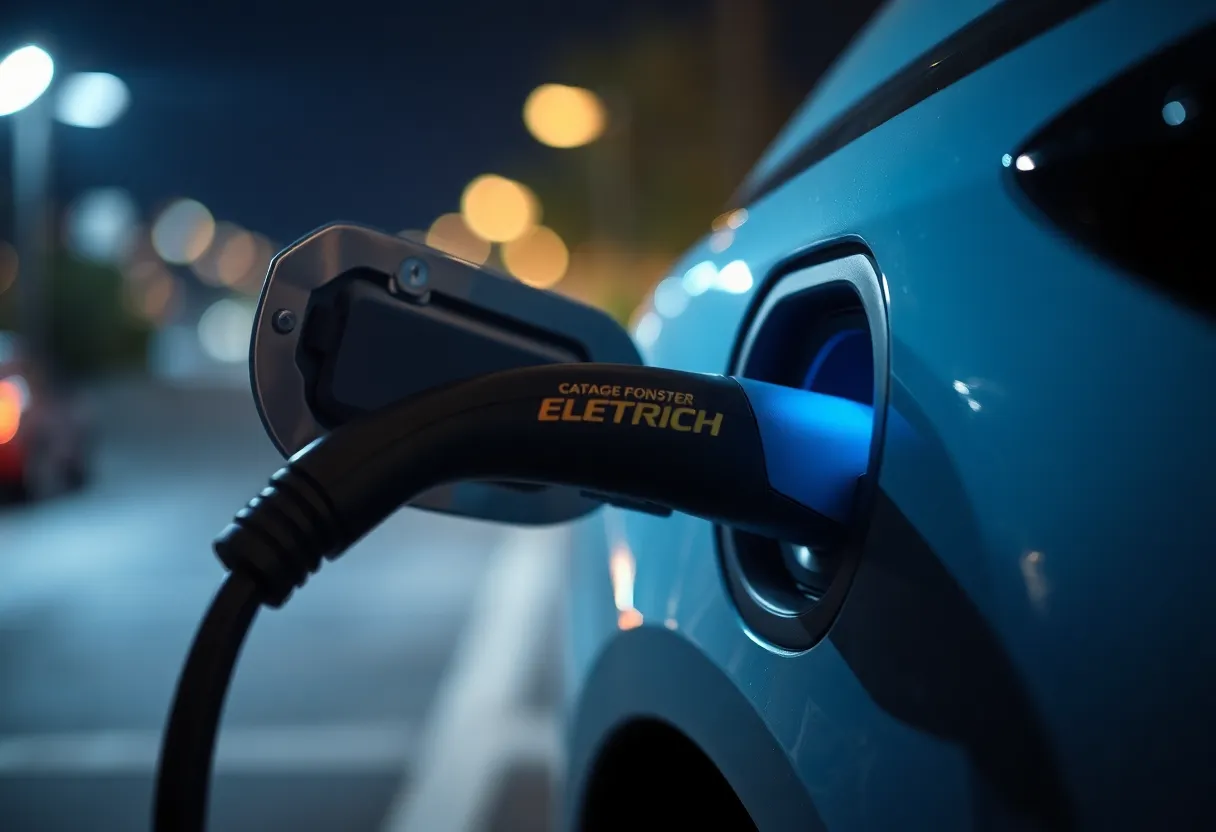
What “only under 30%” actually optimizes
Waiting for low state of charge reduces plug events. Renters who fight over a shared outlet, or drivers who hate coiling cables, feel the appeal. You also spend more time in mid-pack, which some people interpret as “better for the battery,” though modern battery management already manages the edges aggressively.
The routine cost is planning. Under-30% habits create wider day-to-day variance. A cold morning, a detour, or a forgotten work laptop in another city becomes a math problem. Household members who do not share your mental model inherit your cliff. The car stops feeling like an appliance and starts feeling like a project.
Deepish cycles are not automatically evil—packs are designed for them—but pairing rare plugs with frequent DC fast sessions to “catch up” can undo the gentle story you told yourself about home charging discipline. If your under-30% habit turns into weekly highway-charger dependence, you are optimizing the wrong stressor—DC fast charging ages packs differently than people expect when it becomes the default refill.
Calendar aging versus cycle aging (without cosplay)
Batteries age with time at high states of charge and with energy throughput. Nightly 80% leans into avoiding high-SOC storage when possible while accepting more plug events. Rare deep plugs lean into fewer sessions while accepting lower average SOC—and more risk of inconvenience.
Neither habit beats parking a car at 100% for weeks in summer heat. Neither habit replaces thermal management. If you care about longevity theater, storage SOC and temperature dominate internet arguments about 79% versus 81%.
Psychology: the real throughput metric
Range anxiety is not only fear of stranding. It is cognitive load. Nightly 80% externalizes the problem to a cord and a software limit. Threshold charging internalizes a dashboard watch. Some drivers enjoy the game. Most stop enjoying it after the second time they skip a spontaneous dinner because the car is at 22% and the only charger on the way is crowded.
Partners and teenage drivers amplify this. A shared EV with a private charging philosophy becomes a relationship bug. Write the rule on the fridge if you must: “plug when you park” or “never leave under 40% at home.” Unspoken rules fail.
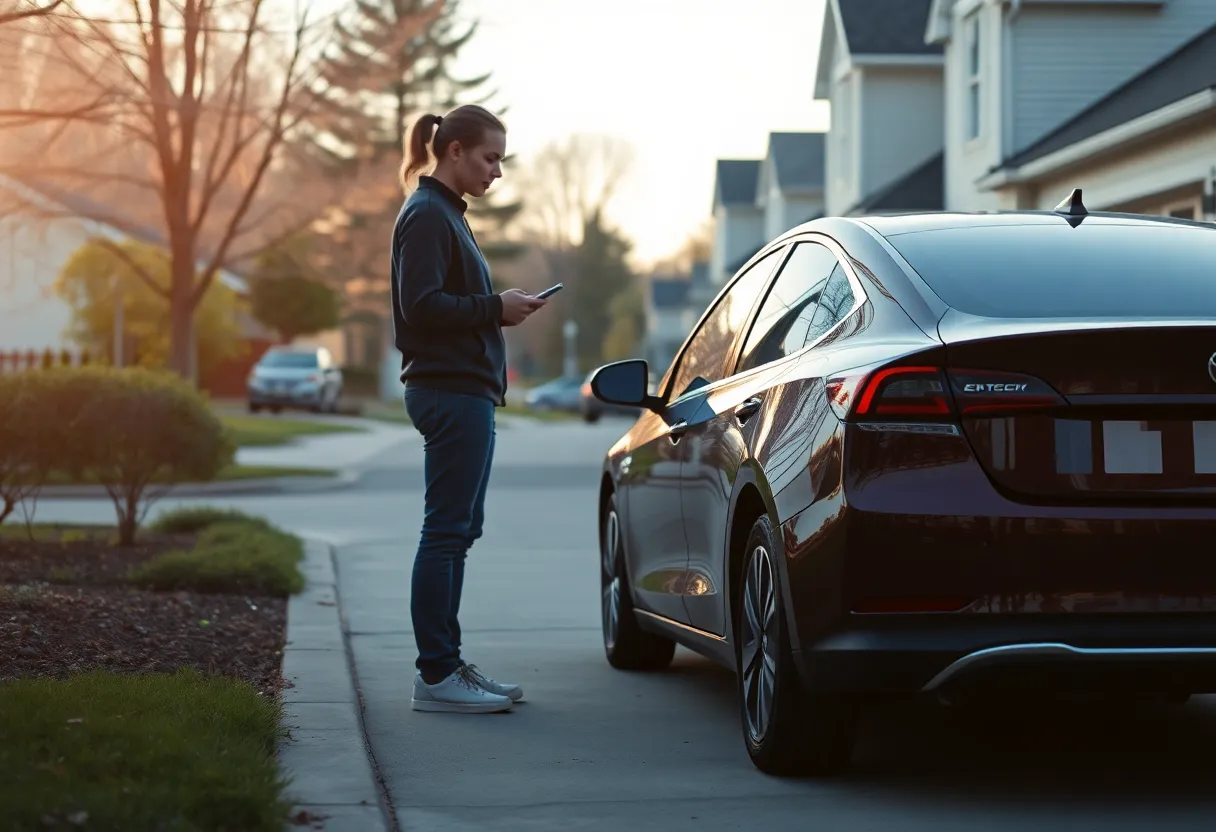
What it does to the household routine
- Nightly 80%: chore becomes muscle memory; mornings are boring; guests can drive without a briefing.
- Under 30% only: fewer chores; more calendar awareness; higher chance someone stranded the car at 18% before school run.
- Hybrids people actually use: nightly plug with 70–80% limit on weekdays; occasional 100% the night before a trip; DC fast only when needed.
The hybrid is where most OEM advice already points. The forum war erases the trip exception and the “I was tired” exception—the places real routines live.
Home power and tariffs
Nightly charging loves off-peak rates and a scheduled EVSE. Rare deep charges can slam more kWh into a shorter window—sometimes still off-peak, sometimes accidentally on-peak if you panic at 5 p.m. If your utility punishes spikes, frequent modest charges can be bill-friendlier than heroic catch-ups.
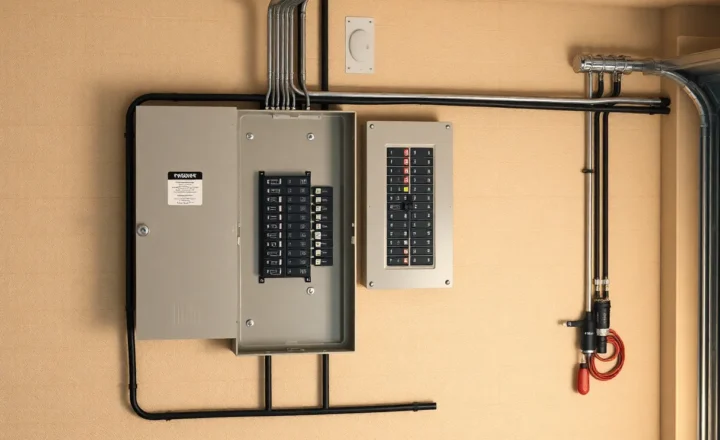
Shared panels and dryer-circuit realities also favor predictable nightly loads over sudden high-amperage marathon sessions when someone else needs the garage circuit.
Trip days, 100%, and the exception that should be boring
Even dedicated 80%-nightly households should rehearse the night-before-a-trip charge to 100%. Make it a calendar event, not a moral failure. The battery does not need a TED talk; it needs a schedule. Likewise, if you live on threshold charging, practice a “depart at 90%+” protocol before long drives so you are not learning navigation SOC math at the on-ramp.
Workplace charging muddies both religions. If you get free mid-day electrons, nightly home targets can drop. If workplace charging is unreliable, home nightly habits matter more. Build the routine around the weakest link in your week, not the average.
When I recommend nightly 80%
You have reliable home charging, a commute inside the buffer, and you want the car to be boring. Set the limit in software. Plug in when you park like you used to lock the door. Raise to 100% only before known long days. This is the default I tell friends who want fewer decisions.
When under-30% plugging can work
You lack nightly access, you monitor SOC obsessively anyway, your daily miles are tiny, and you accept that a missed mental check becomes a problem. Pair it with honest navigation range estimates and a backup charging plan. Do not combine it with performative avoidance of home charging plus heavy DC fast dependence.
A week-long experiment instead of an identity
Try nightly 80% for seven days. Note stress and forgotten plugs. Then try threshold-based plugging for seven days. Keep the habit that produced fewer emergency brain cycles—not the one that won a Reddit thread. Battery health graphs move slowly; routines move daily.
If you road-trip often, practice the 100% night-before pattern until it is automatic. Local commute habits should not fight travel habits; they should stack.
LFP versus NMC footnotes (short, honest)
Some LFP packs are happier with frequent top-offs and occasional full calibrations; some NMC guidance emphasizes mid-pack storage more aggressively. Read your OEM’s app recommendations for your exact battery. The routine comparison in this article still holds: predictability versus threshold drama. Chemistry tweaks the preferred ceiling; it does not invent a cord for a street-parking life.
Software charge limits are free. Use them. Arguing online about ideal percentages while leaving the car at 100% for convenience is performance art.
Decision rule
Nightly 80% buys predictability and shallower daily swings at the cost of a cord ritual. Plugging only under 30% buys fewer rituals at the cost of variance and household coordination. For most people with a home plug, the ritual is cheaper than the variance. For people without a plug, threshold charging is not a philosophy—it is a constraint. Name which one you have before you moralize about lithium.
Set a charge limit. Schedule the session. Stop arguing about virtue. The routine that keeps you unbothered on a random Wednesday is the one that is “better,” chemistry tweets included. If you change habits, change one variable at a time for a month—limit percentage or plug frequency—not both, or you will not know what fixed your stress.