Why Competitive Powerlifting Federations Can’t Agree on Equipment Standards

Futurion Editorial
July 9, 2026
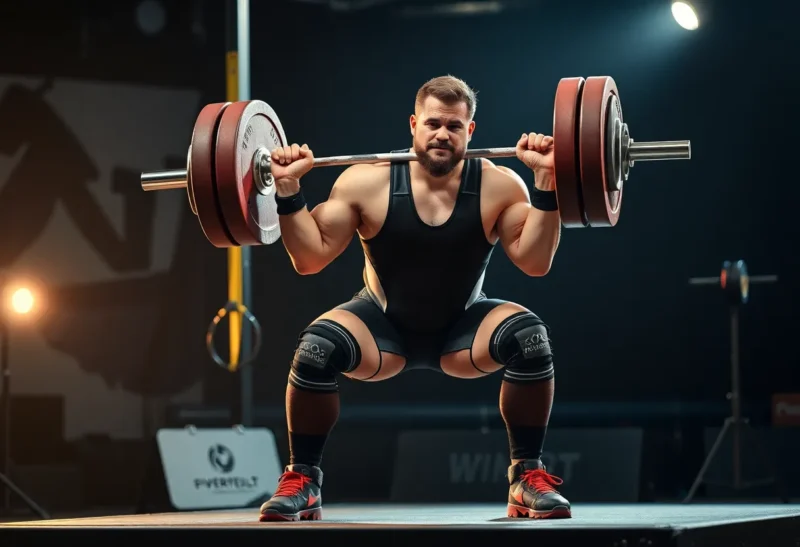
Powerlifting, unlike many strength sports built around a single unified governing body, operates through a fragmented collection of competing federations — the International Powerlifting Federation (IPF), USA Powerlifting, various “multi-ply” and single-ply equipment federations, and numerous other regional and specialty organizations — that maintain genuinely different, often incompatible rules about what supportive equipment lifters are allowed to use during competition. This fragmentation isn’t simply organizational inertia or historical accident; it reflects a real, unresolved philosophical disagreement about what powerlifting is actually supposed to be measuring, and that disagreement has proven durable enough that federation unification has never achieved lasting success despite periodic efforts over the sport’s history.
What Supportive Equipment Actually Does Mechanically
The equipment at the center of this dispute — supportive squat and bench press suits made from dense, low-stretch fabric, knee wraps, and sometimes multi-ply (multiple layered) versions of this equipment — works through genuine, measurable biomechanical assistance rather than simply being protective gear in a purely incidental sense. A properly fitted supportive suit stores elastic energy during the descent portion of a squat or bench press and releases that stored energy to assist the ascending portion of the lift, functioning similarly to how a compressed spring stores and releases energy, and multi-ply equipment specifically (using multiple layers of this fabric, sometimes with additional structural stitching) can provide a substantially larger mechanical assistance effect than single-ply equipment.
This means the difference between “raw” powerlifting (competing with minimal supportive equipment — typically just a belt and sometimes knee sleeves, which provide comparatively minimal mechanical assistance) and “equipped” powerlifting using single-ply or multi-ply suits isn’t a minor rule variation; it represents genuinely different physical tasks that happen to share the same basic lift movements, since the equipment fundamentally changes how much of a lifted weight represents raw muscular strength versus mechanical assistance from the equipment itself.
Why Different Federations Have Made Genuinely Different Choices About What to Measure
Federations that have moved toward raw or minimally-equipped competition, a trend that has grown substantially over the past two decades and now represents the majority of active competitive powerlifting participation, generally frame their equipment restrictions around a philosophy that powerlifting should primarily measure a lifter’s own muscular strength, with equipment limited mainly to basic safety and joint support functions rather than meaningful lift-assistance.
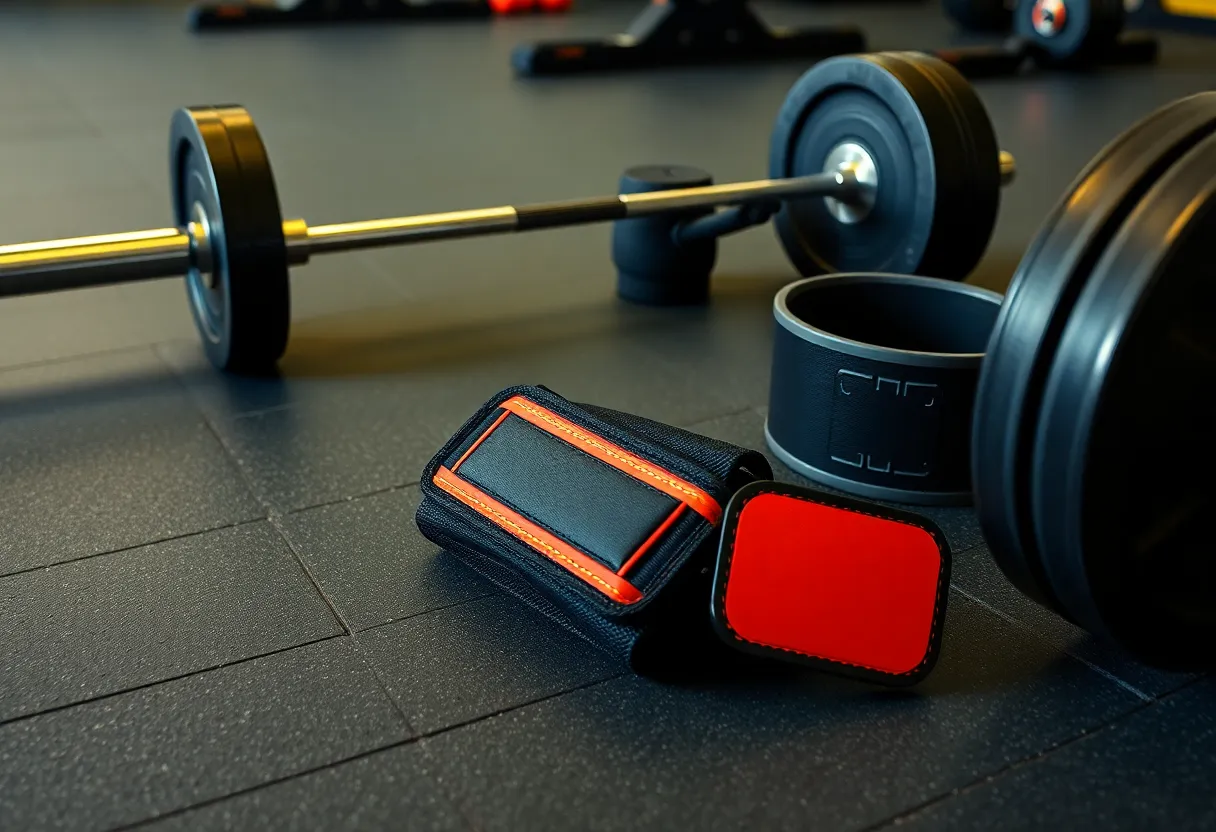
Federations maintaining multi-ply equipped divisions generally counter that supportive equipment has always been a legitimate part of powerlifting’s historical tradition dating back to the sport’s mid-20th-century origins, that skillfully using supportive equipment is itself a genuine technical skill requiring real practice and expertise to execute correctly (a poorly used suit can actually hinder rather than help a lift), and that maintaining equipped divisions preserves continuity with powerlifting’s competitive history and record-keeping rather than retroactively treating decades of equipped lifting achievement as somehow less legitimate. Neither position is straightforwardly “correct” in an objective sense — they reflect genuinely different, internally coherent views about what the sport is fundamentally trying to measure and celebrate.
Why This Makes Records and Cross-Federation Comparison Genuinely Meaningless
Because equipment categories produce such different actual lifted weights for comparable underlying athletic ability, powerlifting federations maintain entirely separate records and rankings for raw versus equipped competition, and even within equipped competition, separately for single-ply versus multi-ply equipment categories, since mixing these categories into unified rankings would make comparisons genuinely misleading given how much of the difference in lifted weight between a raw lift and an equipped lift reflects equipment assistance rather than underlying strength difference.
This categorical separation, while logically necessary given the genuine mechanical differences involved, also means there’s no single, unified “world record” or ranking system spanning the entire sport the way most single-discipline sports maintain, which contributes to genuine public and even within-sport confusion about how to compare achievements across different federations and equipment categories, and has fed ongoing debate about which category should be considered powerlifting’s “primary” competitive format for purposes of media coverage, Olympic recognition efforts, and general public understanding of the sport.
Doping Testing Rigor Adds a Separate, Overlapping Fragmentation Axis
Beyond equipment standards specifically, powerlifting federations also vary considerably in anti-doping testing rigor and enforcement, with some federations (including the IPF, which has pursued formal recognition efforts with international sporting bodies partly by demonstrating rigorous testing standards) maintaining extensive, WADA-compliant drug testing programs, while various other federations maintain much lighter or effectively no meaningful testing enforcement.
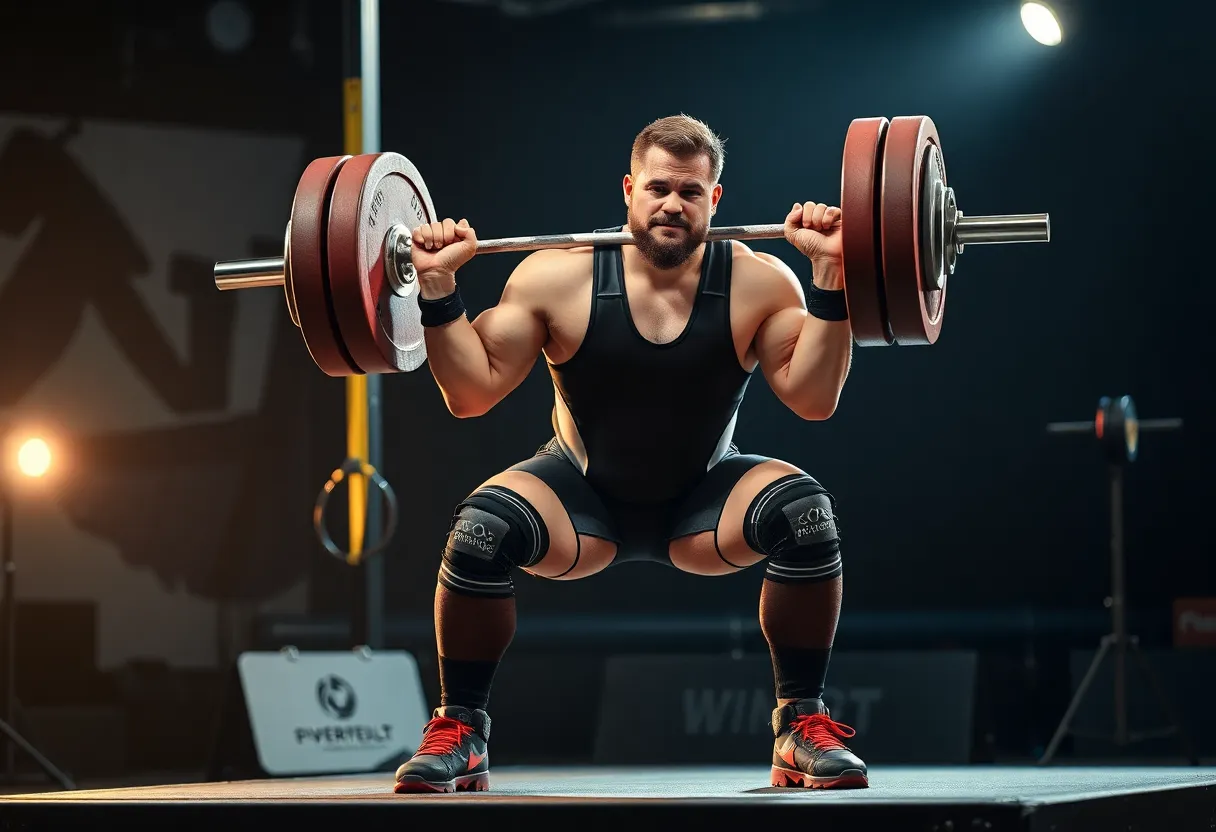
This creates a second, overlapping fragmentation dimension where lifters and fans need to track not just which equipment category a specific record or competition result falls under, but also which federation’s testing standards were in effect, since a raw squat record set in a federation with minimal doping enforcement isn’t considered directly comparable by many in the sport’s community to a similar raw squat record set in a federation with rigorous, WADA-standard testing, adding yet another layer of complexity to an already fragmented sport that lacks the kind of single unified governing structure that would let these questions get resolved through one authoritative rule-making body.
Why Unification Efforts Have Consistently Struggled
Periodic efforts to unify powerlifting’s competitive landscape under a single governing structure, motivated partly by ambitions to achieve Olympic recognition (which generally requires the kind of single, internationally unified governing body Olympic sports are expected to have), have consistently run into the same fundamental obstacle: the equipment and testing philosophy disagreements described above reflect genuinely different visions for the sport that different federations’ member bases have actively chosen and continue to prefer, rather than a solvable coordination problem that better organizational structure alone could resolve. Until the sport’s community reaches something closer to genuine consensus on these underlying philosophical questions — which shows no strong signs of happening given how long the current fragmented landscape has persisted — powerlifting is likely to remain a sport defined by competing federations with genuinely different, not merely administratively distinct, definitions of what competitive lifting is supposed to measure.