Why Restaurant Kitchen Display Systems Became the Overlooked Backbone of Delivery Apps

Futurion Editorial
July 9, 2026
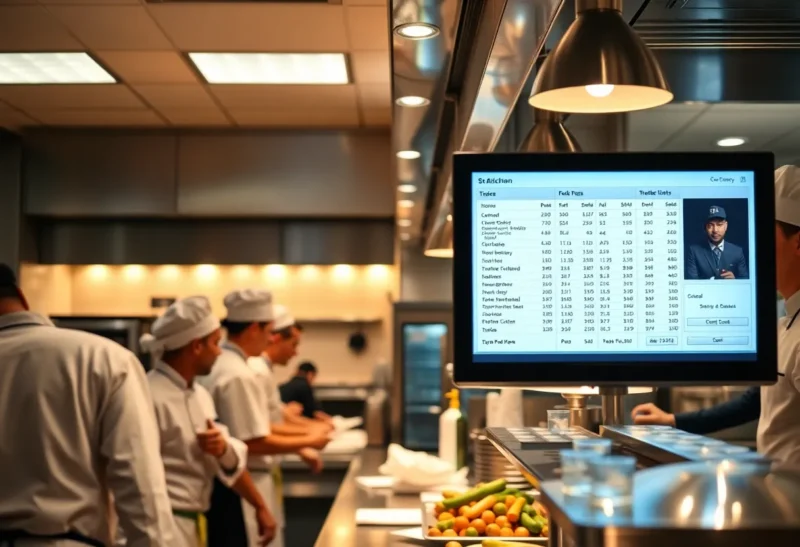
Food delivery apps get almost all the public attention and criticism in discussions of how technology has reshaped restaurants — the commission fees, the driver labor model, the app interface design. A much less visible piece of technology sitting inside the restaurant kitchen itself has arguably done more to determine whether a given restaurant can actually handle the order volume delivery apps generate without collapsing into chaos: the kitchen display system, a networked screen or set of screens that replaced the paper order ticket and, in doing so, quietly became one of the more consequential pieces of restaurant technology deployed over the past decade.
What Problem This Actually Solves
Traditional restaurant order management relied on paper tickets, printed at a kitchen printer and physically clipped to a rail above the cook line, that kitchen staff would work through roughly in the order they arrived, marking completed items by hand or simply pulling the ticket once an order was done. This system worked reasonably well for the order volume and complexity a typical dine-in restaurant handled for most of the industry’s history, but it had real, well-understood limitations even before delivery apps existed: no easy way to prioritize orders dynamically based on how long an item takes to prepare relative to when it needs to be ready, no automatic timing data showing how long different stations were actually taking, and no clean way to coordinate a single order that needed items prepared at multiple different stations to all finish and come together at the same moment.
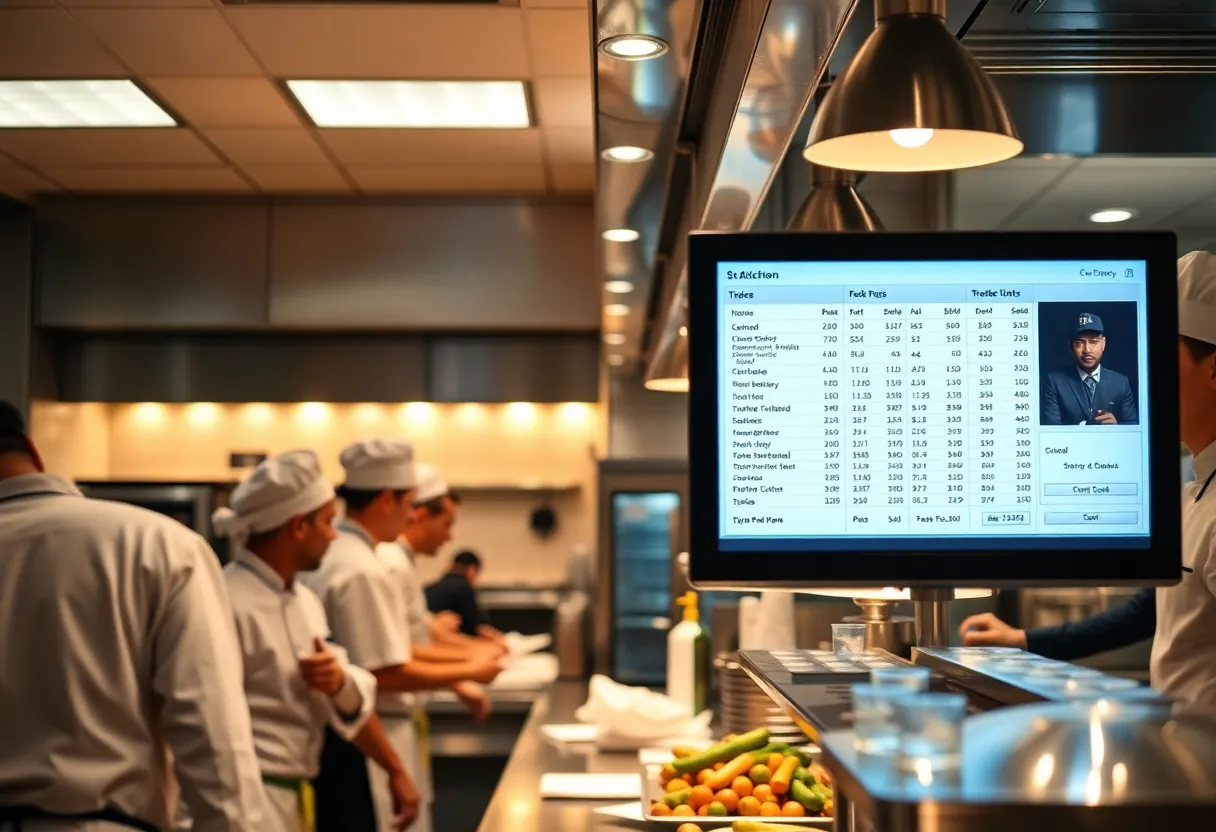
Kitchen display systems replace that paper ticket rail with networked digital screens, typically positioned at each kitchen station, that receive order information directly and electronically from the point-of-sale system, and allow kitchen staff to mark items complete with a simple screen tap or button press rather than manually handling paper. This alone delivers real, measurable operational benefits even for a restaurant with no delivery volume at all — automatic timing tracking for how long each item and each full order takes, dynamic reordering of the display based on preparation time and promised delivery windows, and often color-coded visual alerts when an order is approaching or has exceeded its target preparation time, giving kitchen staff and managers real-time visibility into exactly where a service slowdown is happening that a paper ticket system simply couldn’t provide.
Why Delivery Apps Made This Infrastructure Genuinely Necessary Rather Than Optional
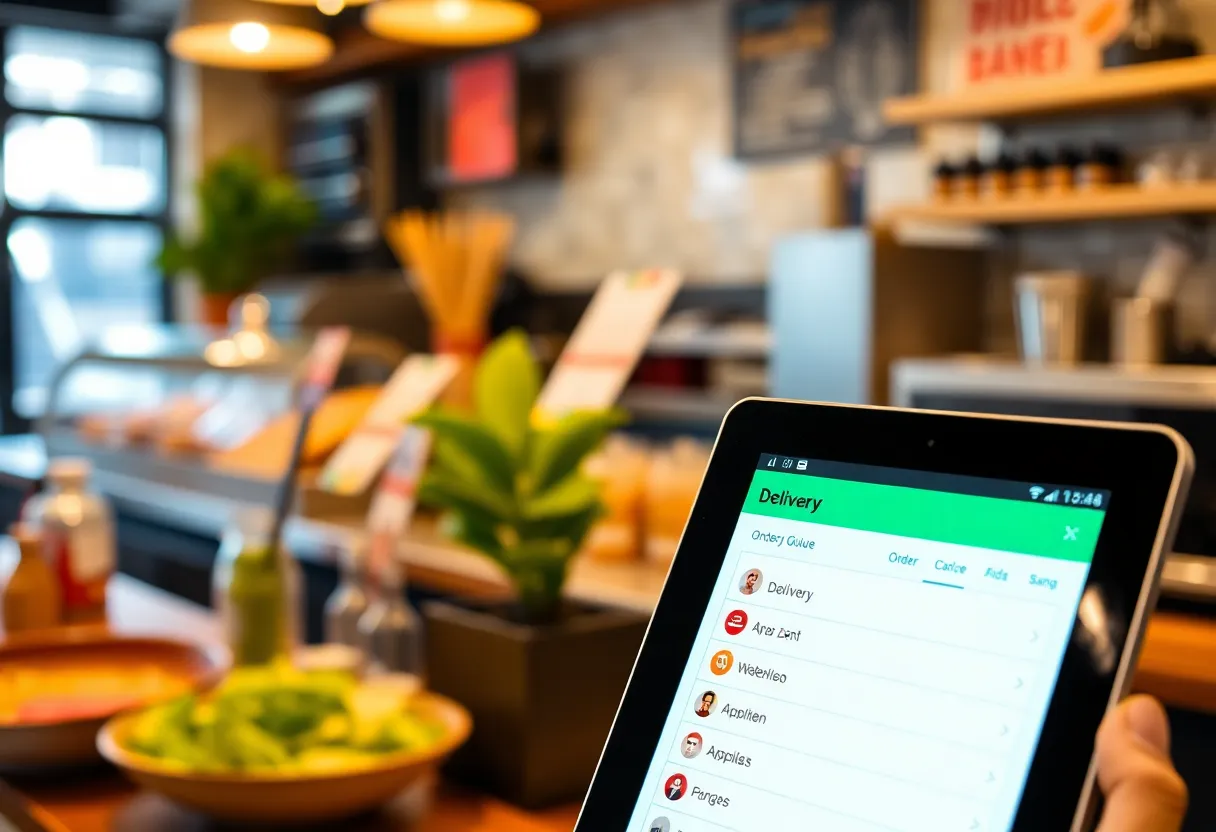
The specific operational pressure that turned kitchen display systems from a nice efficiency upgrade into something closer to a practical necessity for many restaurants was the dramatic increase in order volume and, especially, order channel complexity that delivery aggregation created. A restaurant handling dine-in orders alone deals with a single, relatively predictable order stream. A restaurant that has added delivery through multiple different apps — commonly two or three major delivery platforms simultaneously, each historically running its own separate order-taking system and, in the earlier days of the delivery app boom, frequently its own dedicated tablet sitting in the kitchen — faces a genuinely difficult coordination problem: staff having to physically monitor multiple separate screens or tablets, each representing a different order channel, and manually consolidate that information into a single coherent kitchen workflow, a process that restaurant operators and industry analysts have specifically identified as a major source of order errors, missed orders, and kitchen chaos during peak periods in the earlier years of widespread delivery app adoption.
Modern kitchen display systems have specifically evolved to solve this multi-channel consolidation problem directly, with most current systems built around integrations that pull orders from multiple delivery platforms and the restaurant’s own point-of-sale system into a single, unified kitchen display feed, rather than requiring kitchen staff to separately monitor each channel’s own device. This consolidation capability has become one of the more heavily marketed features among the major kitchen display system vendors specifically because restaurant operators have identified it as directly solving one of the most acute operational pain points that multi-channel delivery created.
The Integration Complexity Most Diners Never Think About
Building and maintaining these multi-platform integrations is a genuinely nontrivial ongoing technical undertaking that most restaurant customers never think about at all. Each delivery platform maintains its own order data format, its own API for transmitting order information, and its own specific rules around order modifications, cancellations, and special instructions, and kitchen display system vendors have to build and continuously maintain separate, working integrations with each major platform, then keep those integrations functioning correctly as each delivery platform independently updates its own systems over time, creating an ongoing maintenance burden that doesn’t have a natural stopping point the way a one-time software integration project might.
This integration complexity has become enough of a distinct technical specialty that it has spawned its own middleware category — companies whose primary business is specifically building and maintaining the connective layer between multiple delivery platforms and a restaurant’s kitchen display and point-of-sale systems, functioning as integration specialists that individual kitchen display system vendors and individual restaurants can rely on rather than each having to independently solve the same multi-platform integration problem from scratch.
The Data This Technology Quietly Generates
Beyond the immediate operational benefit of order routing and timing, kitchen display systems have become a significant, if underappreciated, source of operational data that restaurant owners and managers increasingly rely on for decisions that go well beyond the kitchen floor itself. Detailed timing data on specific menu items, specific stations, and specific time periods lets restaurant operators identify exactly which dishes are creating bottlenecks during peak service, informing menu engineering decisions, staffing schedule adjustments, and even decisions about which items to feature or de-emphasize on delivery-specific menus where preparation time directly affects delivery promise accuracy and, by extension, customer satisfaction scores on delivery platforms that heavily weight order timing in their own restaurant ranking and visibility algorithms.
This last point matters more than it might initially seem: delivery platforms generally use order accuracy and timing performance as inputs into how prominently a restaurant is displayed to potential customers browsing the app, meaning kitchen operational efficiency, historically a purely internal restaurant management concern, has become directly tied to a restaurant’s actual customer acquisition and visibility on delivery platforms, giving restaurant operators a genuinely new, external, revenue-relevant reason to invest in kitchen efficiency technology that didn’t really exist in quite the same direct way before delivery platforms built their ranking systems around exactly this kind of operational performance data.
Infrastructure That Succeeded by Staying Invisible
Kitchen display systems represent a genuinely good example of infrastructure technology succeeding specifically by disappearing into the background of an industry’s daily operations rather than becoming a visible, marketed feature that diners themselves ever interact with or think about. No delivery app customer chooses where to order based on whether a restaurant’s kitchen uses a modern display system, and no restaurant marketing campaign features it directly. Its actual importance shows up entirely in second-order effects — fewer missed and incorrect orders, more consistent delivery timing, better platform visibility rankings, and kitchens that can absorb the genuinely enormous increase in order complexity that multi-platform delivery created without the kind of operational breakdown that would have been a real and common risk without exactly this kind of purpose-built coordination technology sitting quietly behind the scenes.