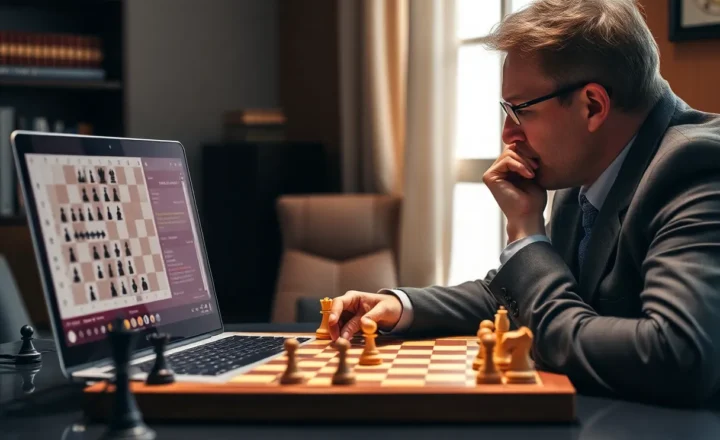
Why Competitive Chess Clock Increments Changed How Top Players Prepare

Futurion Editorial
July 9, 2026
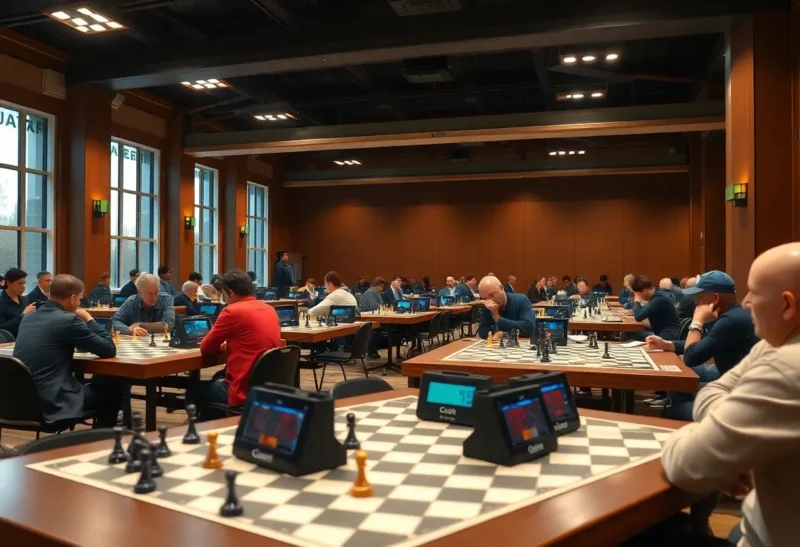
The widespread adoption of time increments in competitive chess time controls — a system where players receive a small additional amount of time added to their clock after each move, rather than playing under a purely fixed total time budget for the entire game — represents a genuinely significant rules and technology change that has measurably reshaped how top-level players prepare for and play competitive games, extending well beyond simply reducing the frequency of games lost purely to running out of time.
Why Pre-Increment Time Controls Created a Different Strategic Environment
Before digital chess clocks with increment functionality became widely available and standard in competitive play, tournament time controls generally required players to complete a specified number of moves within a fixed total time budget, with no additional time added as the game progressed, meaning players faced a hard, non-recoverable time constraint where any time spent on a particular move was permanently gone from their overall time budget for the rest of the game.
This fixed-budget structure created strong incentive for players to develop and heavily rely on extensive opening theory memorization and pre-game preparation specifically to minimize time spent on early-game moves, preserving as much time budget as possible for the more strategically complex middle-game and endgame positions where memorized preparation runs out and players need to actually calculate and evaluate positions in real time, since time lost early in a fixed-budget game could never be recovered later when it might matter more.
How Increments Fundamentally Changed This Time Management Calculation
Time increments change this calculation by ensuring a player receives additional time after every single move throughout the entire game, meaning a player’s total remaining time budget is continuously replenished rather than being a purely fixed, depleting resource, which meaningfully reduces (though doesn’t eliminate) the strategic value of minimizing time spent early in a game purely to preserve budget for later, since increment-based time controls mean a player who plays efficiently throughout the game can maintain a healthy time budget even deep into a long, complex game in a way that pure fixed-budget time controls made much harder to achieve.
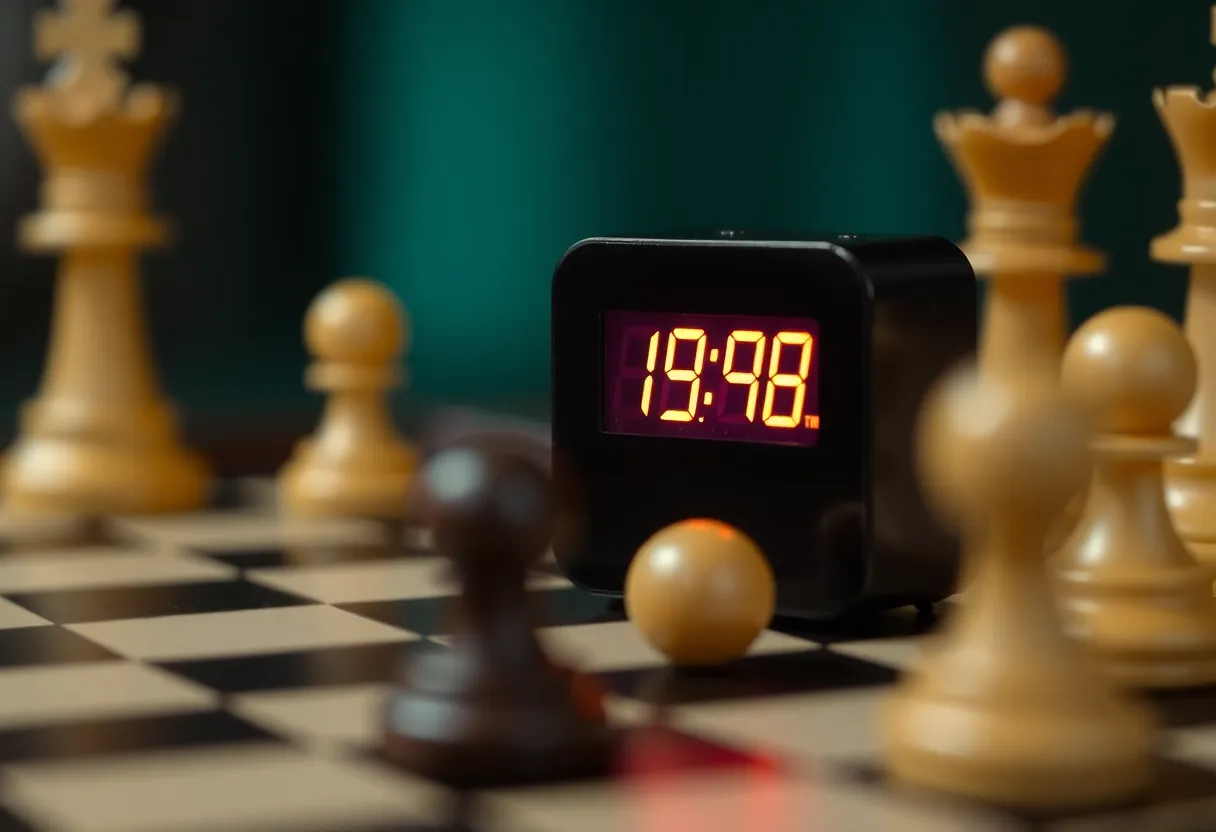
This shift has meaningfully changed how top players allocate their preparation time and in-game decision-making effort, since the strategic payoff from extremely deep opening memorization specifically to save time has diminished somewhat relative to a pure fixed-time environment, while the strategic value of strong, efficient calculation ability throughout the entire game (since increment time controls reward consistent efficient play across the whole game rather than disproportionately rewarding early-game speed specifically) has become relatively more important.
Why Increments Specifically Changed Endgame Play and Preparation
One of the most measurable effects of increment time controls has been on endgame play specifically, since increment systems ensure players retain meaningful time even very late in long games, which has made complex, precise endgame technique meaningfully more valuable competitively than it was under pure fixed-budget time controls, where players frequently found themselves with critically low remaining time exactly when reaching technically demanding endgame positions, sometimes forcing rushed, imprecise play in exactly the game phase where precision matters most.
This shift has been credited with contributing to a broader trend of top-level players investing more heavily in dedicated endgame study and technique refinement as a specific competitive preparation priority, since increment time controls create more realistic opportunity to actually apply precise, well-prepared endgame technique in real games rather than that technique being effectively wasted due to time pressure forcing rushed decisions regardless of how well-prepared a player’s endgame knowledge actually was.
How This Shift Interacted With the Broader Rise of Computer-Assisted Preparation
The increment time control shift happened roughly alongside a separate, related transformation in competitive chess preparation broadly, as chess engines and computer-assisted analysis became increasingly central to how top players prepare openings and study positions, and these two changes have interacted in ways that have collectively pushed competitive chess preparation toward a somewhat different balance than existed in earlier eras — deep computer-assisted opening preparation combined with increment time controls that reward strong calculation and technique throughout the whole game, rather than a competitive environment more heavily weighted toward memorization specifically as a time-preservation strategy under harsher fixed-budget time constraints.
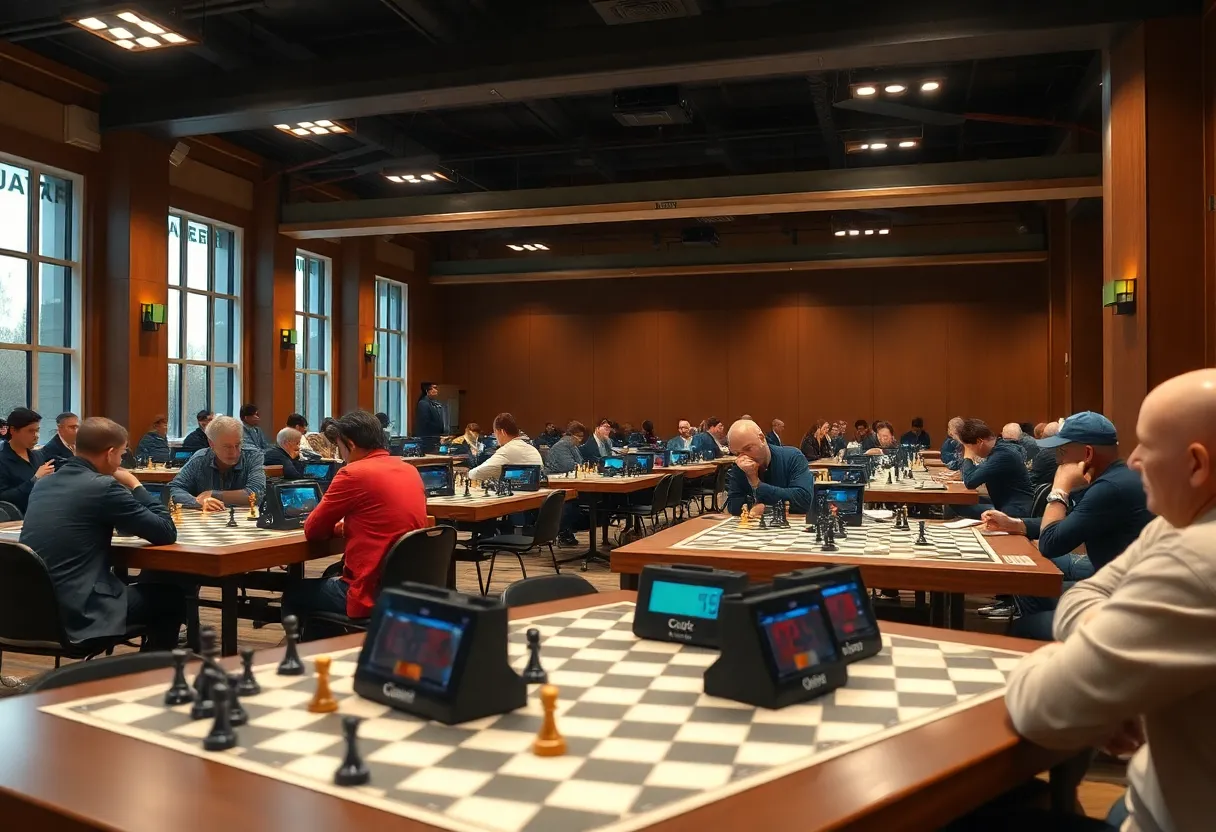
This combination has produced games that top-level chess commentators and players themselves frequently describe as placing somewhat more competitive weight on genuine calculation ability and technique across the entire game, compared to a hypothetical environment relying purely on either older fixed-time controls or purely on memorized opening preparation without meaningful pressure to demonstrate strong play deep into technically demanding positions.
Why This Represents a Genuine, Studied Shift Rather Than Just Anecdotal Impression
Chess researchers and competitive analysts have specifically studied how increment adoption changed observable patterns in tournament games, including measurable changes in average game length, the frequency and outcome patterns of games reaching complex endgame positions, and time-usage patterns across different game phases compared to games played under older fixed-time control formats, providing a genuine evidentiary basis beyond pure anecdotal impression for concluding that increment time controls produced a real, measurable shift in competitive chess strategy and preparation priorities rather than simply changing how games conclude in isolated late-game time-pressure situations.