Why Competitive Sailing Teams Now Rely on Real-Time Wind Modeling

Freya Solberg
July 9, 2026
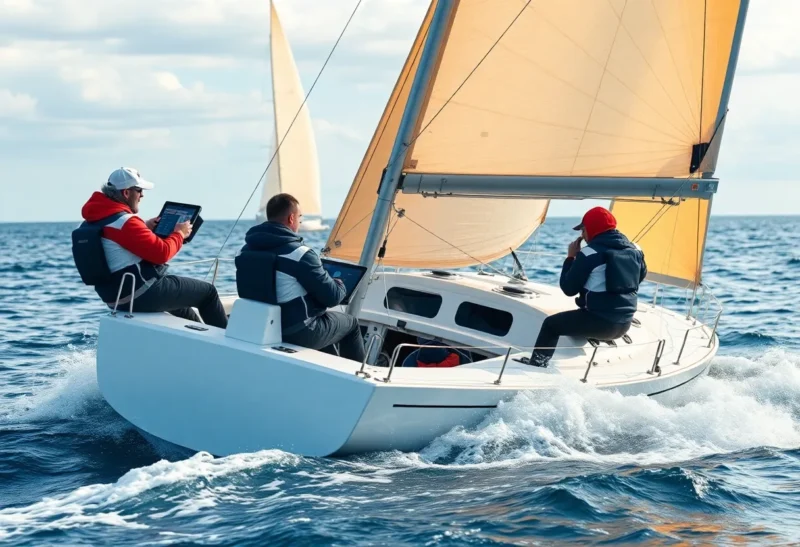
Competitive sailing has always been fundamentally a sport about reading wind — where it’s blowing, how strong, and critically, how it’s likely to shift over the coming minutes of a race. What’s changed dramatically over roughly the past fifteen years is how top-level sailing teams actually gather and act on that wind information, shifting from a sport that relied almost entirely on sailors’ direct sensory observation and experience-based judgment toward one where real-time computational wind modeling, fed by dense sensor networks and increasingly sophisticated forecasting algorithms, has become a core competitive tool that top teams treat as essential infrastructure rather than a supplementary nice-to-have.
Why Wind Prediction Matters So Much More in Sailing Than Most Sports
Sailboat racing performance depends directly and continuously on wind conditions in a way that few other sports’ performance depends on real-time environmental conditions — a sailboat’s speed and the tactically optimal course to sail change constantly based on wind speed, direction, and how those conditions are shifting across different parts of a race course, meaning accurate, timely wind information isn’t just helpful context but directly determines the actual tactical decisions (which side of the course to sail, when to tack, how to trim sails) that separate a winning tactical approach from a losing one.
This is compounded by the reality that wind conditions frequently vary meaningfully across even a relatively compact race course — a shift or a stronger wind band on one side of the course that a competitor exploits while sailing a different, weaker-wind route can produce a decisive competitive advantage independent of which boat and crew is objectively faster in a straight, equal-wind comparison, which is exactly why sophisticated wind reading and prediction has always been recognized as a critical sailing skill, now increasingly supplemented and enhanced by computational tools rather than relying purely on sailors’ direct observation and experience.
How Modern Wind Sensing Infrastructure Actually Works
Top-tier competitive sailing programs, particularly at the America’s Cup and Olympic sailing level, now deploy dense networks of wind sensing buoys and instrumented support vessels positioned strategically around a race course well before racing begins, continuously measuring actual wind speed and direction at multiple points across the course rather than relying on a single wind reading point, which was the more limited standard in earlier eras of the sport.
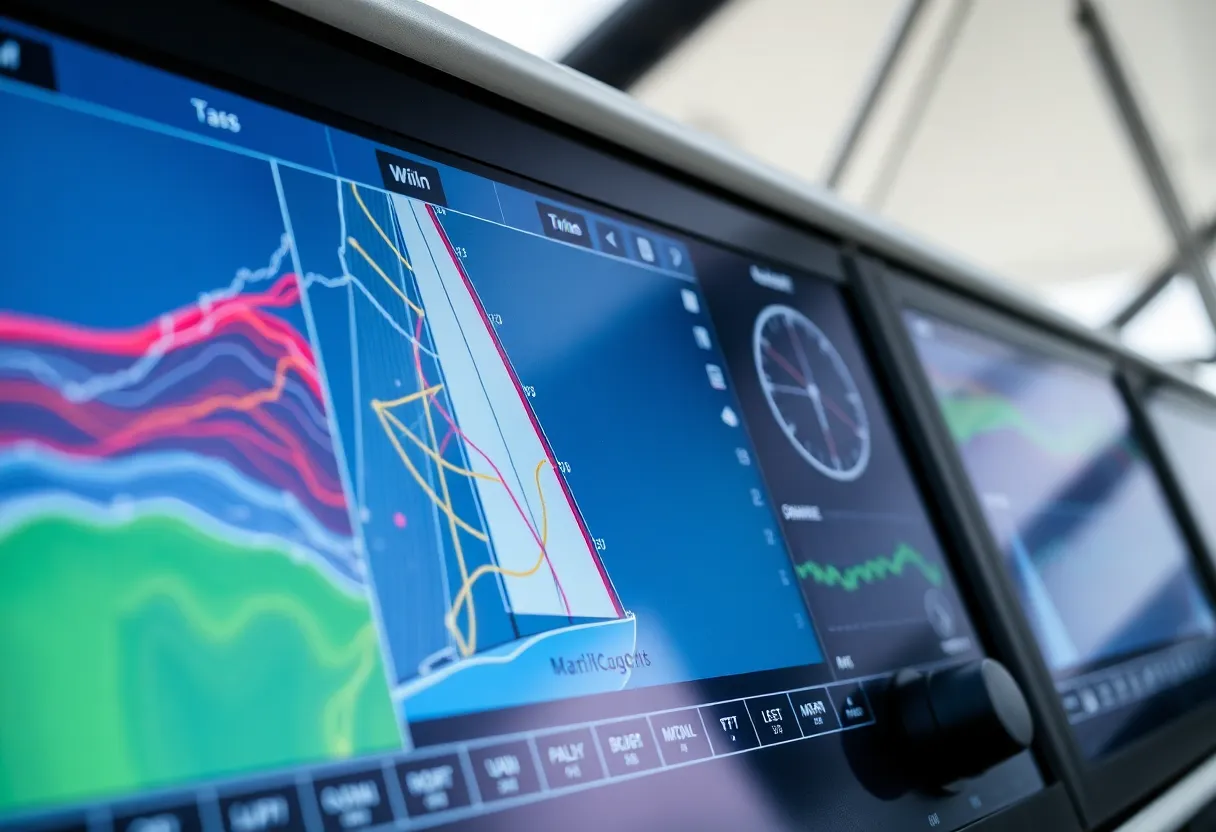
This distributed sensing approach directly addresses the course-variation problem described above, since a team with real-time data from multiple points across the course can identify existing wind speed and directional differences across the course far more precisely than sailors relying purely on visual cues (like water surface texture, which experienced sailors have always used to estimate wind conditions at a distance) and personal on-the-water sensory judgment alone.
Predictive Modeling Adds a Forward-Looking Layer Beyond Current Conditions
Beyond measuring current wind conditions across a course, leading sailing programs have increasingly incorporated genuine short-term predictive wind modeling — computational models that ingest current sensor data along with broader meteorological information (larger-scale weather patterns, local geographic and thermal effects specific to a given race venue) to generate forecasts of how wind conditions are likely to shift over the specific, short timeframe relevant to an actual race, typically the next several minutes to roughly an hour.
This predictive capability matters enormously tactically because sailing tactics often depend on anticipating a wind shift before it fully materializes, positioning a boat to benefit from a shift that hasn’t happened yet rather than reacting to it only after it’s already occurred and a competitor may have already begun exploiting it. Teams with genuinely better short-term wind prediction models gain a real tactical edge specifically in this anticipatory positioning, which is why leading America’s Cup teams have invested substantially in meteorology and data science expertise as a core part of their competitive program, treating wind prediction modeling development as a genuine competitive technology investment comparable in institutional seriousness to boat design and engineering investment.
Why This Technology Shift Has Changed Team Composition and Preparation
The growing centrality of computational wind modeling to competitive sailing performance has measurably changed what kind of expertise top sailing programs recruit and develop internally — America’s Cup and top Olympic sailing programs now commonly employ dedicated meteorologists and data scientists as core team members, a role that simply didn’t exist in competitive sailing programs a few decades earlier when wind reading remained primarily an on-the-water sailor skill rather than a dedicated computational and meteorological specialization.
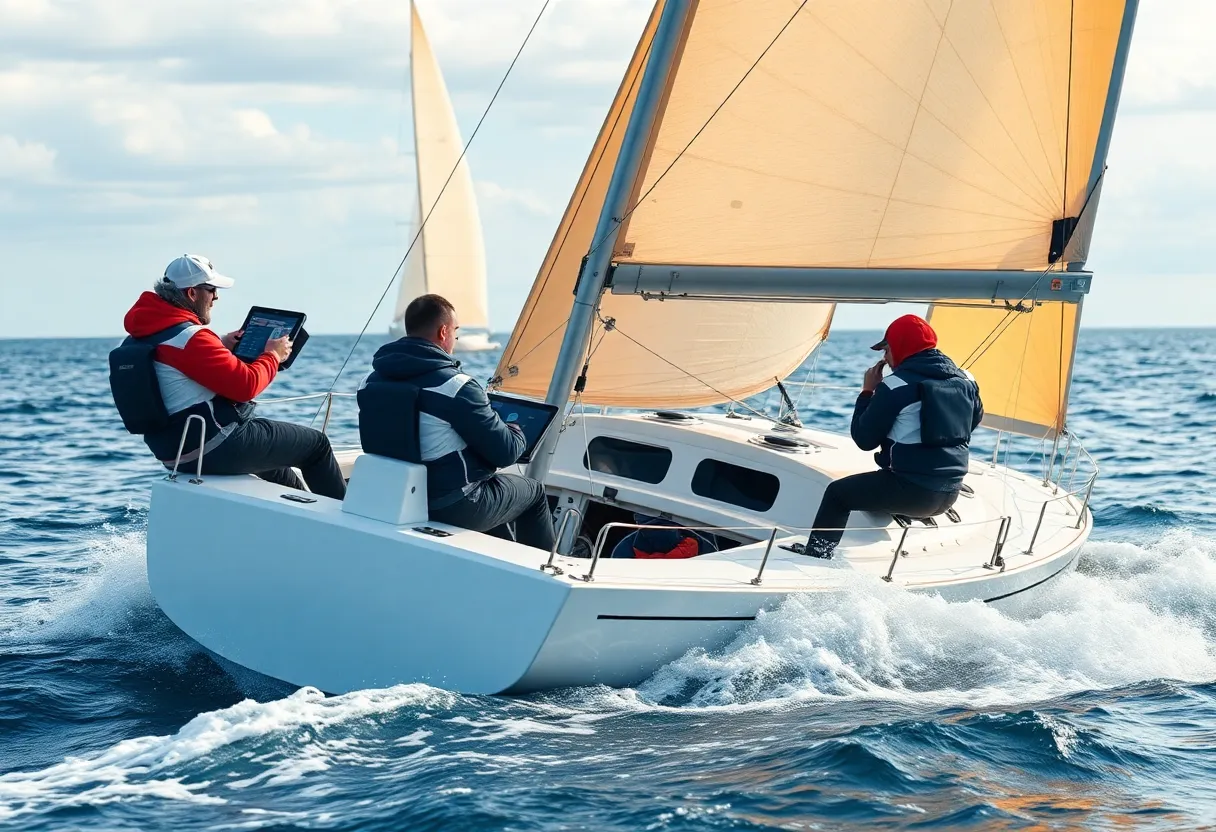
This has also changed pre-race preparation practices, with leading teams now conducting extensive advance data collection and modeling work at a specific race venue well before actual competition begins, building venue-specific wind behavior models informed by historical data and local geographic effects that help refine and calibrate the real-time predictive models used during actual racing, an investment in venue-specific data infrastructure that reflects how seriously top programs now treat wind modeling as a genuine, ongoing competitive technology development effort rather than a one-time tool deployment.
Why Sailor Skill and Judgment Remain Essential Despite This Technology Shift
Despite this substantial technology investment, top sailing programs consistently emphasize that computational wind modeling supplements rather than replaces experienced sailor judgment, since translating wind data and predictive model output into actual, second-by-second sailing and tactical execution decisions still requires significant human skill and split-second judgment that current technology assists but doesn’t fully automate. This combination — technology providing genuinely superior wind information and predictive insight, combined with experienced sailors translating that information into actual tactical execution — mirrors a pattern showing up across numerous other sports and fields where sophisticated data and modeling tools have become integral competitive infrastructure without eliminating the continued centrality of trained human judgment in actually using that information effectively under real competitive conditions.