How Seed Banks Decide Which Plant Varieties Are Worth Preserving

Rosa Chen
July 9, 2026
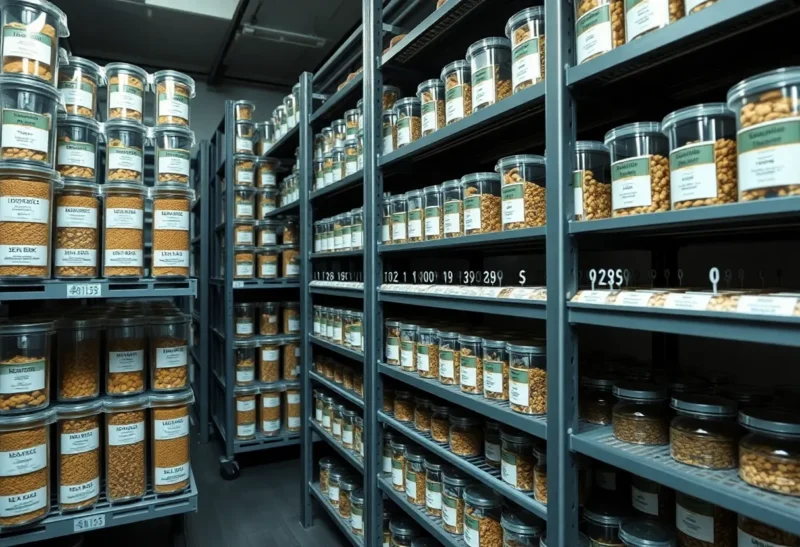
Seed banks — facilities that collect and preserve seed samples specifically to safeguard plant genetic diversity against loss — face a resource constraint that shapes essentially everything about how they operate: storage space, staff time, and processing capacity are all finite, while the number of plant varieties potentially worth preserving, across the world’s roughly 400,000 known plant species and the enormous varietal diversity within globally important crop species specifically, vastly exceeds what any collection of seed banks could ever fully capture and maintain. This mismatch has forced seed banking institutions to develop genuinely systematic prioritization frameworks rather than simply collecting opportunistically, and understanding those frameworks reveals a lot about what seed banking is actually trying to accomplish.
Crop Genetic Diversity Is the Most Institutionally Prioritized Category
Major seed banking efforts, including the Svalbard Global Seed Vault (which functions as a backup repository consolidating duplicate samples from other seed banks worldwide rather than an independent primary collection) and national and international agricultural genebanks, have historically prioritized crop plant genetic diversity above wild plant diversity generally, reflecting a specific institutional mission focused on safeguarding the genetic resources that underpin global food security and future crop breeding, rather than attempting comprehensive wild plant biodiversity preservation as a primary goal.
Within crop genetic diversity specifically, seed banks place particular priority on preserving traditional landrace varieties and wild crop relatives — older, often regionally specific crop varieties and their wild botanical relatives that carry genetic diversity increasingly absent from the small number of highly standardized commercial varieties that dominate modern industrial agriculture. This genetic diversity matters enormously for future plant breeding because it represents a genetic resource pool that breeders can potentially draw on to develop new disease resistance, climate resilience, or other beneficial traits that modern, genetically narrow commercial varieties may lack, making landrace and wild relative preservation a specific institutional priority precisely because that diversity is disappearing fastest as traditional farming practices and wild habitats give way to modern agriculture and land development.
Genetic Uniqueness and Redundancy Assessment Drives Practical Collection Decisions
Beyond the broad crop-versus-wild-plant prioritization, seed banks make more granular collection decisions based on genetic uniqueness assessment — evaluating whether a specific seed sample represents genetic diversity not already adequately captured in existing collections, since a seed bank’s limited processing and storage capacity is better spent capturing genuinely novel genetic diversity than accumulating redundant duplicate samples of genetic material already well-represented in existing holdings.

This uniqueness assessment has become considerably more precise with the availability of genetic sequencing and molecular marker analysis, which lets seed banks directly compare a candidate collection sample’s genetic profile against existing holdings rather than relying purely on morphological characteristics or geographic origin as a rough proxy for genetic distinctiveness, meaningfully improving how efficiently limited collection resources get allocated toward genuinely novel genetic diversity rather than toward samples that, while perhaps visually or geographically distinct, turn out to be genetically quite similar to material already well-preserved elsewhere.
Extinction Risk and Urgency Add a Time-Sensitive Prioritization Layer
Seed banks also weigh urgency directly into collection prioritization — plant populations or traditional crop varieties facing imminent loss, whether from habitat destruction, the displacement of traditional farming varieties by modern commercial seed, armed conflict threatening a region’s agricultural biodiversity, or a specific variety’s remaining seed stock aging past viable germination without active seed-saving practitioners maintaining it, receive higher collection priority than equally genetically valuable material that faces less immediate loss risk and can reasonably be collected on a longer timeline.
This urgency-driven prioritization has motivated some of seed banking’s more dramatic historical collection efforts, including rescue collection operations conducted specifically in regions facing conflict or rapid agricultural modernization threatening to displace traditional crop varieties before they could otherwise be documented and preserved, reflecting a recognition within the field that genetic diversity lost before collection, unlike diversity that’s merely lower priority for near-term collection, is generally lost permanently and irretrievably.
Why Storage and Viability Testing Add Their Own Ongoing Resource Demands
Collection decisions are only the first resource-constrained stage — seed banks also face ongoing resource demands maintaining collected samples’ actual long-term viability, since seeds don’t remain viable indefinitely even under optimal cold, dry storage conditions, and different plant species have genuinely different seed longevity characteristics requiring periodic germination viability testing and, when viability drops below acceptable thresholds, growing out fresh plants specifically to regenerate fresh seed stock for continued storage.
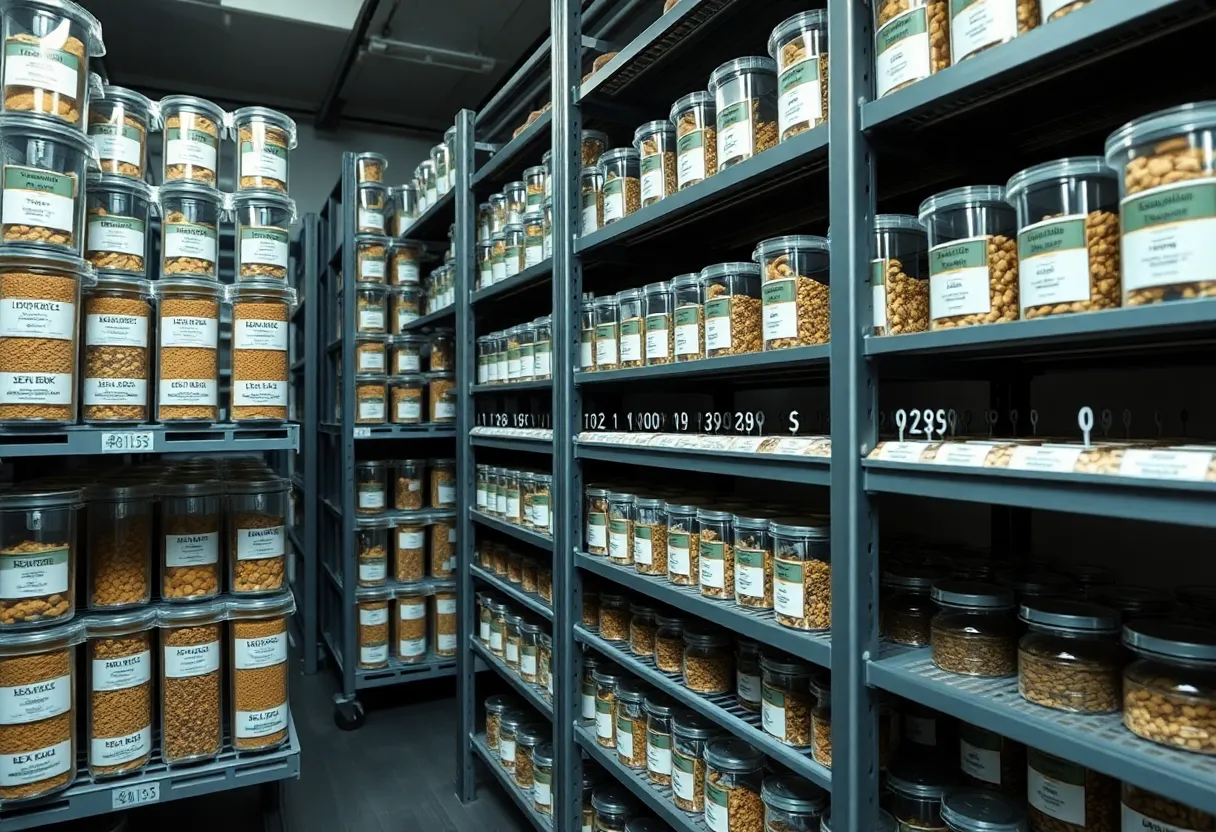
This ongoing viability maintenance work represents a substantial, continuing resource commitment separate from initial collection, and seed banks factor this maintenance burden into collection decisions too, since accepting a new sample into a collection isn’t a one-time processing cost but an ongoing institutional commitment to periodic viability monitoring and regeneration for as long as that genetic material remains in active holdings, which is part of why seed banks generally can’t simply accept every potentially interesting seed sample offered to them regardless of how compelling the case for that specific sample’s genetic value might be.
Why This Prioritization Framework Reflects the Field’s Core Mission
The overall prioritization logic seed banks have developed — crop and crop-relative genetic diversity over general wild plant collection, genetic uniqueness over redundant sampling, urgency-weighted collection timing, and factoring ongoing maintenance burden into acceptance decisions — reflects seed banking’s core institutional mission as a genetic insurance system for global food security and future crop breeding capacity, rather than a comprehensive biodiversity preservation effort in the broader sense that botanical gardens, wild seed banks focused on native plant restoration, and other conservation institutions pursue with different priorities and mandates. Understanding that specific mission focus explains why seed banking institutions make the particular prioritization tradeoffs they do, even as the underlying resource scarcity that necessitates prioritization at all shows no sign of easing as global agricultural biodiversity continues facing mounting pressure from habitat loss, climate change, and the continued narrowing of commercial crop variety diversity.