Why Competitive Powerlifting Federations Are Fighting Over Wearable Sensor Data

Trevor Nakashima
July 9, 2026
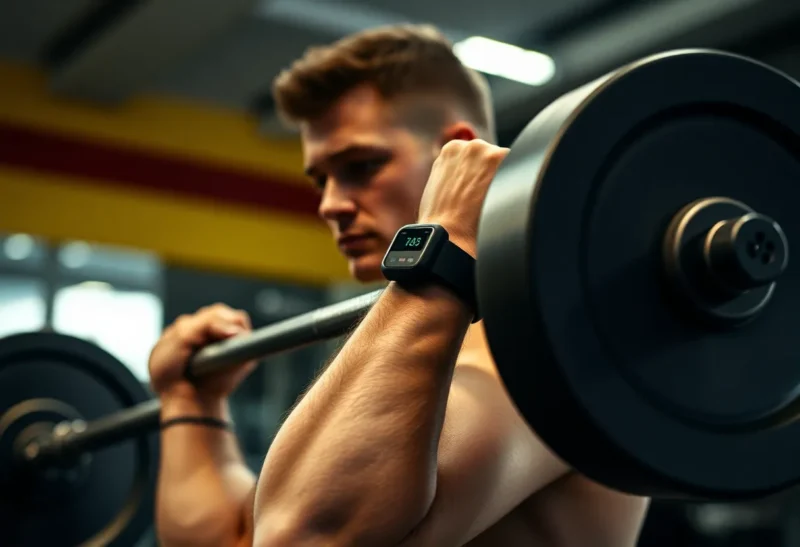
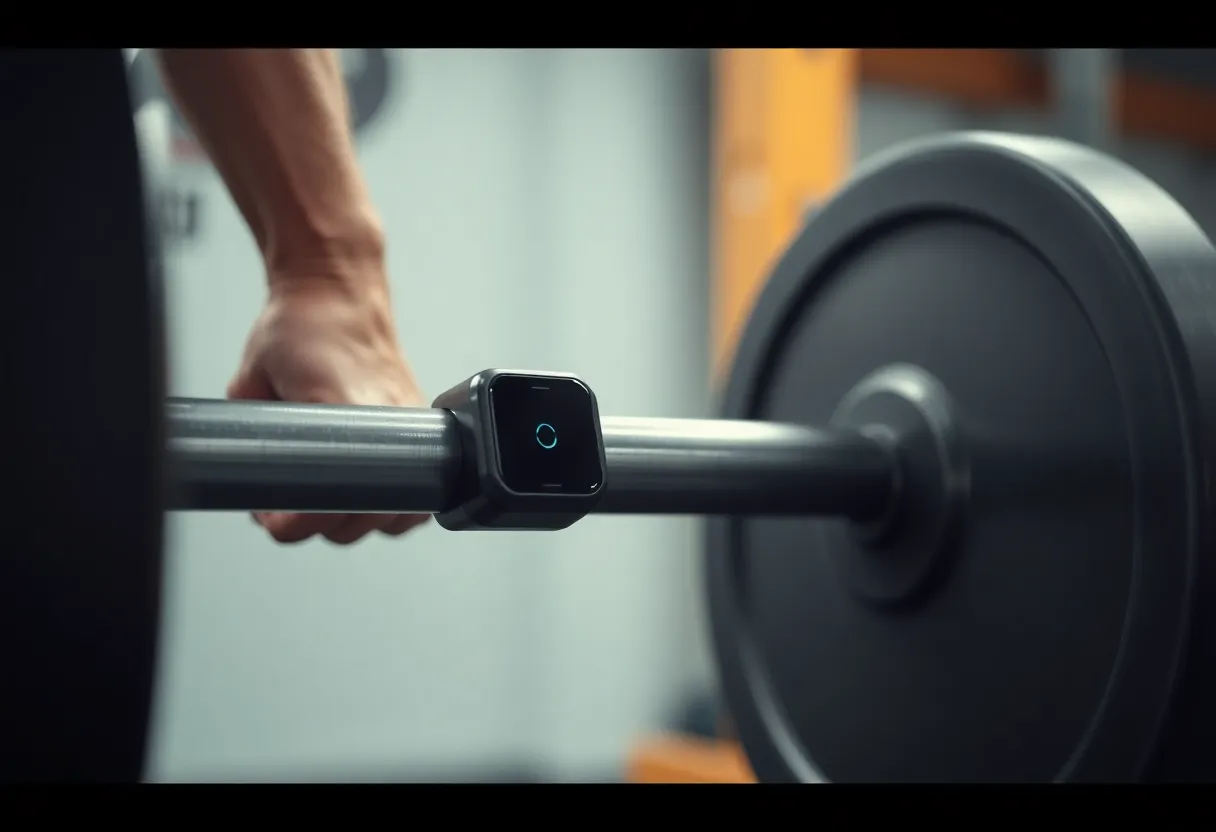
Velocity-based training devices — small sensors that clip onto a barbell or attach to a lifter’s body and measure bar speed throughout a lift — moved from a niche sports science tool used mostly by elite strength and conditioning coaches into something increasingly common in serious training programs over the past several years. That same sensor data has now created a genuinely contentious governance question inside competitive powerlifting specifically: should federations allow, restrict, or actively incorporate this kind of real-time biomechanical data into how competitions are judged and how athlete performance is officially tracked and verified. I’m a sports scientist and former competitive powerlifter who coached strength athletes for a decade, and this fight is a useful window into what happens when a traditionally low-tech sport suddenly has access to the kind of granular performance data that other sports have used for years.
What These Sensors Actually Measure
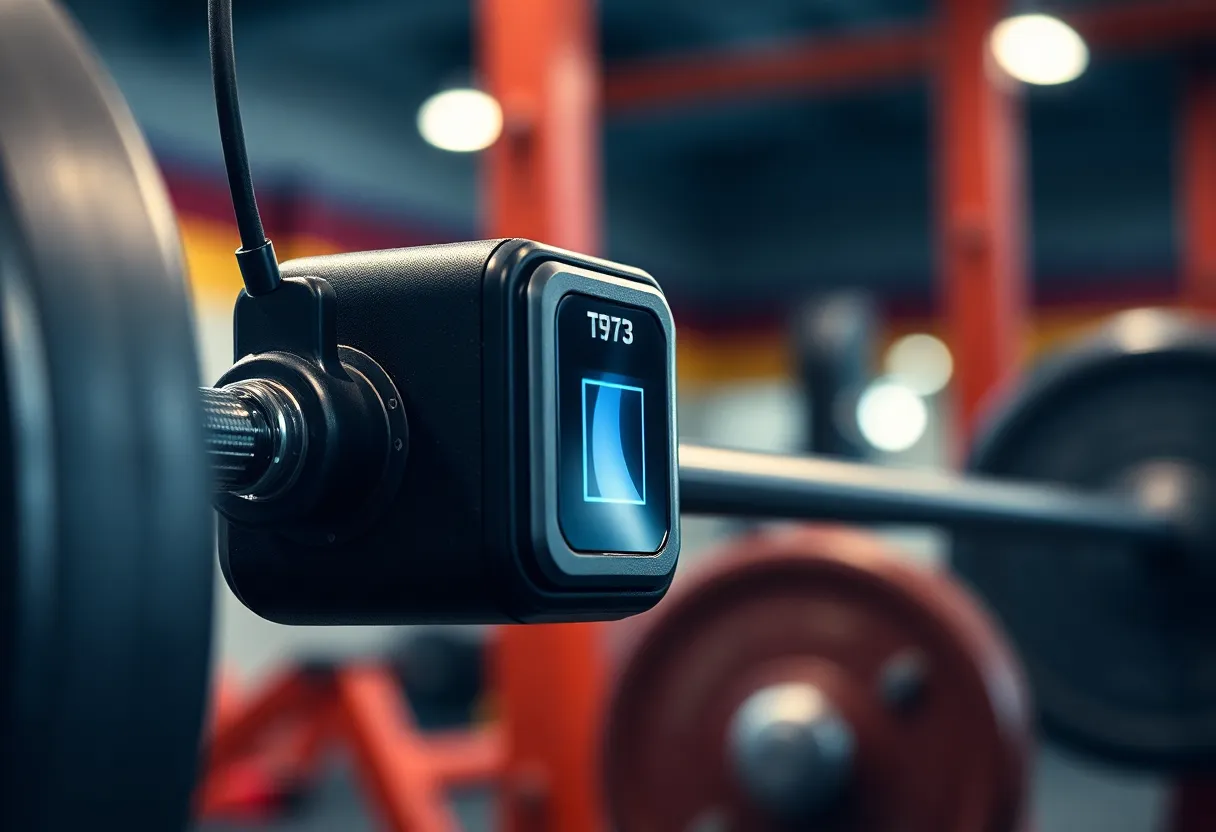
Velocity-based training (VBT) devices use accelerometers, sometimes combined with linear position transducers (a cable-based mechanical sensor that tracks precise bar path and speed), to measure how fast a barbell moves throughout the full range of motion of a given lift, generating data like mean concentric velocity, peak velocity, and bar path consistency that coaches use to calibrate training intensity, monitor fatigue, and predict how close an athlete is to a maximum effort lift without requiring them to actually attempt a true one-rep max in training, which carries real injury risk and recovery cost if done too frequently.
This data has genuine, well-established sports science value for training purposes — velocity loss thresholds (how much bar speed drops across a set) have become a standard, evidence-based method serious strength coaches use to determine when to stop a set before technical breakdown and injury risk increase, and this application isn’t controversial at all within the sport. The controversy is specifically about whether and how this same sensor technology should extend from the training gym into official, sanctioned competition.
Why Competition Use Raises Different Questions Than Training Use
Powerlifting’s traditional judging model is deliberately simple and low-tech by design: three judges visually assess whether a lift meets specific depth, lockout, and control standards defined in each federation’s rulebook, and a lift is either passed with white lights or failed with red lights based on that visual judgment alone. This simplicity has real value that a lot of the sport’s traditionalists are protective of — it’s transparent to spectators, doesn’t require expensive equipment to officiate fairly at any level of competition from local meets to international championships, and has worked as the sport’s judging standard for decades without requiring significant technological investment from meet organizers.
Sensor-based data introduces a genuinely different kind of question into this picture: some athletes and coaches have pushed for wearable sensor data to be used as a supplementary tool for verifying record attempts, providing objective bar-speed data that could support or challenge a judge’s real-time visual call in genuinely close or disputed lifts, similar in spirit to how instant replay review has been incorporated into other sports’ officiating over time. Federations have responded to this push with real disagreement about whether that kind of technological supplement would improve fairness and accuracy, or whether it risks undermining the sport’s traditional judging model and introducing exactly the kind of technology-dependent complexity and cost barrier that powerlifting has historically avoided.
The Data Ownership Fight Nobody Anticipated
Beyond the judging question, a separate and genuinely underappreciated dispute has emerged around data ownership and commercial use: as sensor-equipped competitions and broadcasts have started incorporating real-time velocity and bar-path data into live streaming coverage for fan engagement purposes, questions about who actually owns that competition performance data — the athlete, the federation, or the technology vendor providing the sensors and data platform — have become a real point of contention that most federations’ existing rules and athlete agreements weren’t written to address at all, since this kind of granular biomechanical data simply didn’t exist as a commercially valuable asset when most current federation bylaws and athlete contracts were originally drafted.
This mirrors, in a smaller and newer form, data ownership disputes that have already played out more extensively in other sports with longer histories of wearable and tracking technology adoption — professional basketball and football have both gone through extended negotiations between players’ associations and leagues specifically over biometric and performance tracking data rights, and powerlifting federations are now navigating similar territory without the benefit of those other sports’ more established precedent and negotiated frameworks to draw on directly, given how sport-specific many of the relevant commercial and competitive considerations actually are.
Why Smaller Federations Face a Genuinely Different Calculation
Powerlifting’s federation landscape is notably fragmented compared to more centralized sports — multiple competing federations operate at both national and international levels, each with independently set rules, and this fragmentation has meant sensor technology adoption has proceeded unevenly rather than through any single unified governance decision. Larger, better-resourced federations with stronger media and sponsorship revenue have generally been more willing to experiment with sensor-based data as a fan engagement and broadcast enhancement tool, while smaller federations, often running on tighter budgets and more volunteer-dependent meet operations, have raised legitimate practical concerns about whether requiring or even optionally supporting sensor technology at every sanctioned meet is realistic given the cost and technical expertise that would require compared to the sport’s traditionally low equipment and officiating overhead.
This fragmented, uneven adoption pattern means there’s no single, sport-wide resolution to this debate on the near-term horizon — different federations are likely to continue reaching different conclusions about sensor data’s role in competition based on their own specific resources, athlete base, and governance philosophy, rather than converging on a single standard the way a more centralized international sports governing body might be able to mandate more uniformly across its entire competitive structure.
What Athletes Themselves Actually Want
Athlete opinion on this issue is genuinely split in ways that don’t map neatly onto simple generational or technology-adoption lines. Some competitive lifters have been vocal advocates for greater sensor data transparency specifically because they believe it would provide fairer, more objective verification for close judging calls and record attempts that currently rest entirely on three judges’ real-time visual assessment, a system that, however well-intentioned, inevitably includes some genuine subjectivity and occasional judging controversy that objective sensor data could theoretically help resolve.
Other athletes and coaches, including some at the highest competitive levels, have expressed real concern that competition data availability could create pressure toward optimizing for measurable sensor metrics in ways that might not actually align with what makes for genuinely safe, technically sound lifting, alongside broader concerns about how competition data might be used commercially by federations or technology vendors without clear athlete consent or compensation frameworks in place, concerns that echo similar debates in other sports but that powerlifting’s specific governance and athlete compensation structures haven’t yet fully worked through.
Where This Is Actually Headed
The realistic trajectory is continued fragmented, federation-by-federation experimentation rather than a rapid, unified resolution, given how genuinely divided both governance bodies and athletes remain on the core questions involved, and given the sport’s decentralized structure that makes any single unifying decision difficult to achieve even where there’s growing informal consensus on specific issues. What does seem likely to keep advancing regardless of how the competition-judging debate resolves is sensor technology’s role in training and broadcast enhancement, since both of those applications have clearer, less contested value propositions than the harder question of whether and how to actually change competition judging and data ownership rules themselves — a distinction that’s likely to keep training-focused sensor adoption running well ahead of competition-rule adoption for the foreseeable future.