Why Municipal Water Utilities Are Racing to Deploy Pressure-Sensor Leak Networks

Futurion Editorial
July 9, 2026
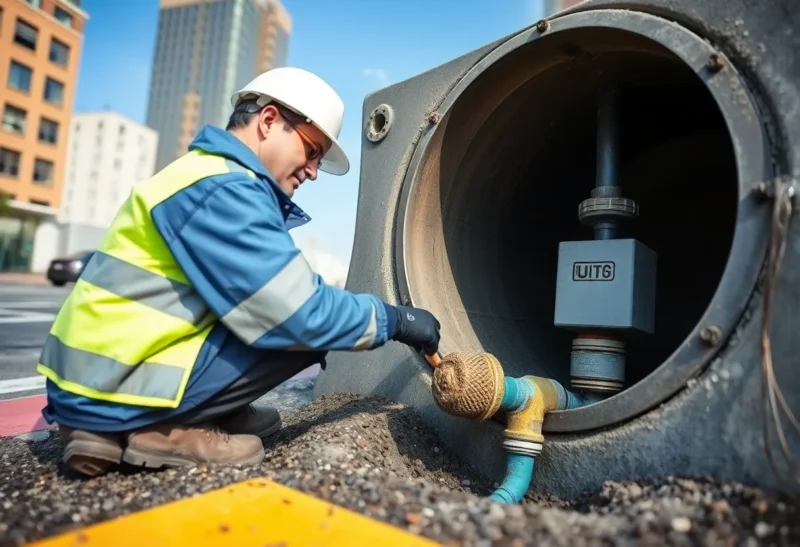
Somewhere under most cities, a meaningful fraction of the drinking water that a treatment plant spent money and energy purifying is currently leaking into the ground before it ever reaches a tap. The scale of this problem is larger than most residents realize: water utilities across the United States lose an estimated six billion gallons of treated water per day to distribution system leaks, according to American Water Works Association estimates, and in some older cities with aging cast-iron mains dating back a century or more, non-revenue water — treated water that is lost before billing — can exceed 20% of total production. For decades, the primary detection method was essentially waiting for a leak to become visible: a sinkhole, a wet patch on pavement, or a resident calling to report unusually low water pressure. That reactive model is now being replaced, city by city, with networks of pressure sensors that can flag a leak while it is still a small, quiet, underground problem rather than a flooded street.
Why Old-Fashioned Leak Detection Wasn’t Working
Traditional leak detection has relied heavily on acoustic listening — technicians walking pipe routes with a device that listens for the specific sound signature of pressurized water escaping through a crack — combined with periodic district metering, where a utility compares water flowing into a zone against water billed within that zone to estimate total losses. Both approaches work, but both are fundamentally reactive and labor-intensive. Acoustic surveys can only cover a fraction of a city’s pipe network in a given year, meaning most leaks that don’t surface visibly can persist undetected for months or years. District metering tells you a zone has a leak problem in aggregate, but not where within that zone, which still requires expensive and slow ground-level investigation to pinpoint.
The economic case for missing leaks for that long is significant even before you factor in the environmental cost of wasted treated water. A water main break large enough to surface can cost a utility hundreds of thousands of dollars in emergency repair, road repaving, and business disruption, compared to a fraction of that cost for a planned repair caught early through continuous monitoring. Add in the energy cost of treating and pressurizing water that never reaches a paying customer, and the case for earlier detection becomes straightforward math that utility finance departments have been making with increasing urgency as infrastructure budgets tighten.

How Pressure-Sensor Networks Actually Detect a Leak
The core insight behind pressure-based leak detection is straightforward: a pipe network under steady demand maintains a predictable pressure profile, and a new leak — even a fairly small one — introduces a detectable pressure transient or a subtle deviation from the expected pressure pattern at the moment it starts, and a slower, sustained pressure drop as it grows. Networks of relatively cheap, battery-powered pressure sensors, installed at fire hydrants, valve chambers, and other existing access points throughout the distribution system, continuously stream pressure readings back to a central monitoring platform, typically over low-power wide-area wireless protocols designed for exactly this kind of infrequent, small-data-packet sensor traffic.
Software analyzing that sensor network looks for two main signal types. Transient analysis catches the sharp pressure wave — sometimes called a “pressure surge” or, informally, a water hammer signature — that a new pipe failure often generates at the instant it occurs, similar in principle to how seismologists detect an earthquake from a pressure wave through rock. This can flag a brand-new leak within minutes of it starting, in ideal sensor-density conditions. Statistical baseline analysis, running continuously in the background, compares current pressure patterns against a rolling historical model of what “normal” looks like for that specific pipe segment at that specific time of day and season, flagging any values sensors report as anomalous relative to that model — which is often how the significant number of slow, decade-old leaks that never generated a detectable transient in the first place actually get caught.
Triangulating an alert to an actual physical location typically combines the pressure data with the utility’s existing hydraulic model of the pipe network — a computational model most utilities already maintain for planning purposes — to narrow a detected anomaly down to a specific pipe segment or even a fairly precise location within it, dramatically shrinking the search area that a field crew then needs to physically investigate with acoustic equipment to pinpoint the exact leak before digging.
Real Deployments and What They’ve Found
Several major utilities have run large-scale pilots and full deployments over the past several years with results that have pushed adoption from experimental to increasingly mainstream. UK water utilities, operating under regulatory pressure from Ofwat to reduce leakage following a series of public droughts and hosepipe bans that drew political attention to water loss, have been particularly aggressive adopters — Thames Water and other UK utilities have deployed tens of thousands of acoustic and pressure-based sensors across their networks as part of leakage reduction targets tied directly to regulatory penalties and incentives.
In the United States, utilities in water-stressed regions have led adoption, for reasons that combine genuine scarcity concerns with straightforward economics. California utilities operating under sustained drought pressure and cities in the Southwest facing long-term water supply constraints have been among the earliest large-scale adopters of continuous pressure and acoustic monitoring networks, treating leak reduction as a meaningful lever for extending supply without new infrastructure investment in additional water sources.
The reported results across these deployments generally show leak detection times dropping from what previously averaged weeks or months down to days or, in well-instrumented zones, hours — a difference that directly translates into smaller repairs, less wasted water, and dramatically reduced risk of a slow leak eroding surrounding soil enough to cause a sudden catastrophic main break and the associated road damage and service disruption that comes with it.
The Real Barriers Slowing Wider Adoption
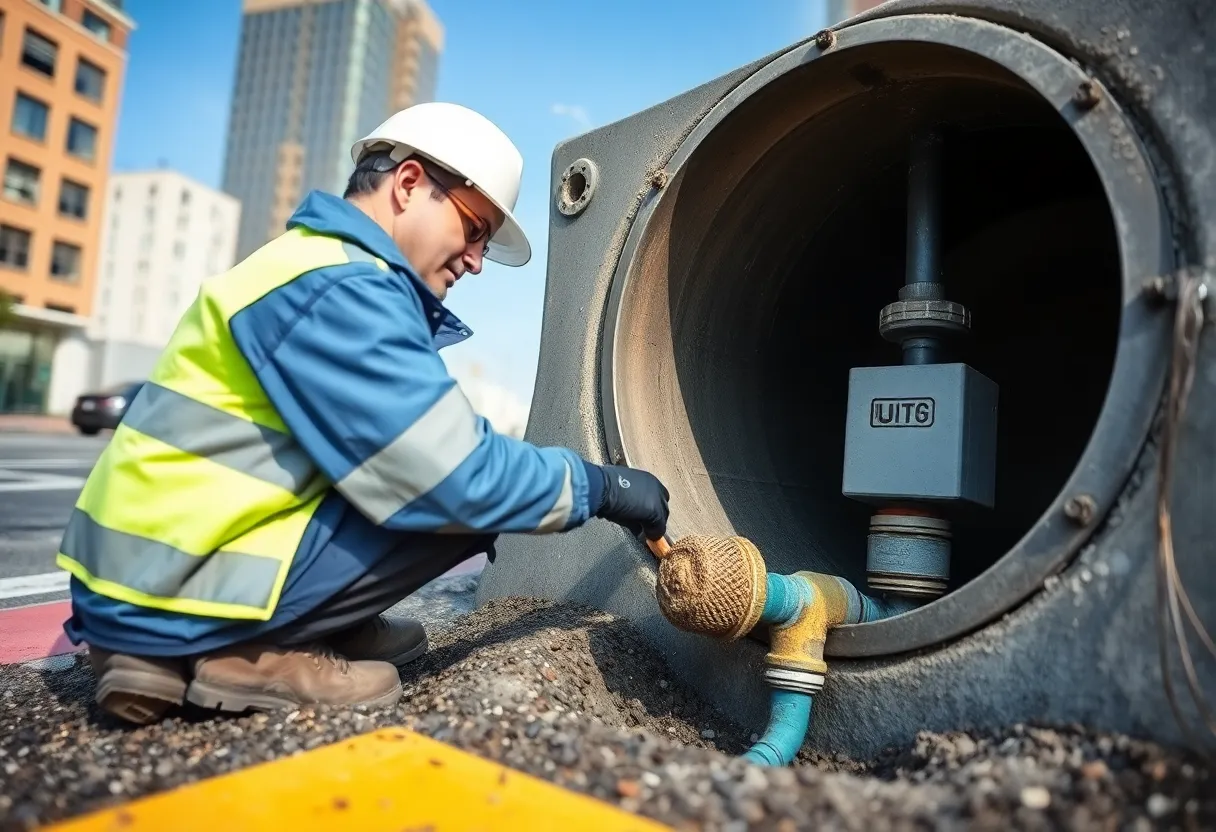
Given the clear economic case, it’s worth asking why this technology isn’t already universal across municipal water systems, and the honest answer is a combination of upfront capital cost, integration complexity, and organizational inertia rather than any doubt about whether the technology works. Sensor hardware and installation costs, while individually modest per unit, add up quickly across a citywide network that might need thousands of sensor points for meaningful coverage density, and many water utilities — particularly smaller municipal systems serving populations under 50,000, which make up the large majority of water utilities in the US by count — operate on extremely thin capital budgets with competing priorities like basic pipe replacement that often win out over new monitoring technology.
Integration with legacy SCADA systems and existing utility billing and asset-management software is a genuinely underestimated obstacle. Many utilities are running infrastructure management software that is decades old, and connecting a modern sensor network’s data feed into that legacy environment in a way that field crews can actually act on efficiently often requires more custom software integration work than utilities anticipate when they budget a sensor deployment project.
There is also a workforce and process change required that goes beyond simply buying hardware. Shifting from a reactive “respond when something breaks or a resident calls” maintenance culture to a proactive “investigate this sensor anomaly before it becomes visible” workflow requires retraining field crews, adjusting dispatch priorities, and in many cases renegotiating how maintenance budgets get allocated within a fiscal year — organizational changes that move considerably slower than the underlying technology deployment itself.
Where This Is Heading
The trajectory is fairly clearly toward wider adoption, driven by a combination of tightening water scarcity in many regions, aging pipe infrastructure that is statistically generating more failures as it ages past its design life — much of the pipe infrastructure in older US and European cities was installed in the early-to-mid 20th century and is now well past typical service-life expectations — and steadily falling sensor hardware costs that make citywide deployment increasingly affordable even for mid-sized utilities. Federal infrastructure funding in the US, including provisions in recent infrastructure legislation specifically earmarking funds for water system modernization, has also started flowing toward exactly this kind of monitoring technology, giving utilities that previously couldn’t justify the capital cost a funding pathway to deploy it.
The likely near-term future is not a single dramatic technology shift but a steady, unglamorous march of more cities instrumenting more of their pipe networks, catching more leaks earlier, and gradually reducing a category of water and financial loss that has been quietly accepted as a cost of doing business for the better part of a century. It is exactly the kind of infrastructure improvement that almost nobody notices when it’s working — because working, in this case, means the sinkhole never forms and the street never floods in the first place.