What Ship Ballast Water Regulations Are Actually Trying to Prevent

Futurion Editorial
July 9, 2026
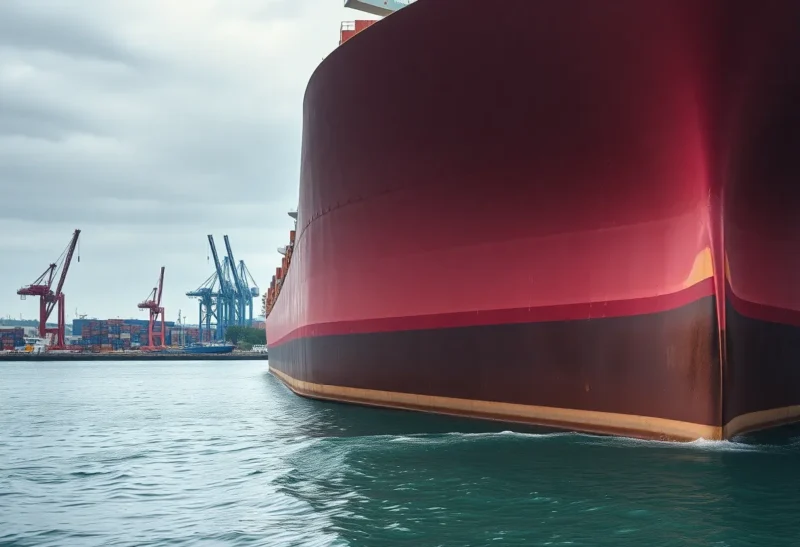
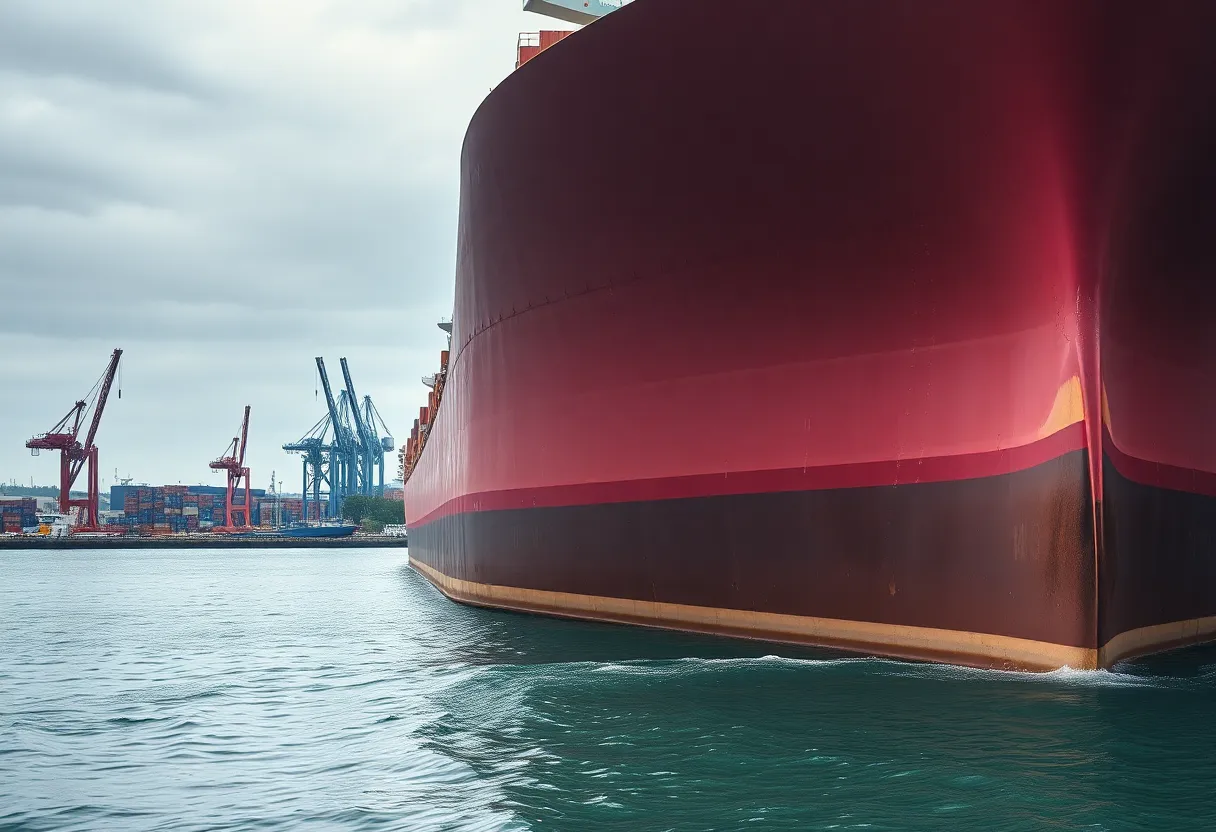
Every large cargo ship carries water it never intends to sell, deliver, or use for anything except keeping the vessel stable. That water — ballast — gets pumped into dedicated tanks when a ship is running light (after unloading cargo, for instance) to keep it low enough in the water for safe handling, and pumped back out when cargo is loaded and the ship needs to ride higher. It sounds like a purely mechanical detail. It’s actually one of the most consequential vectors for global ecological disruption that most people have never heard of, and the regulations governing it exist because of decades of very well-documented damage.
The Mechanism: Accidental Global Species Transport
A ship taking on ballast water in a harbor doesn’t just take on water — it takes on whatever is living in that water at that moment: larvae, plankton, small fish, bacteria, and the free-floating juvenile stages of organisms that would otherwise have no way to cross an ocean. That water, and everything in it, then travels inside sealed tanks for days or weeks, and gets discharged wherever the ship next takes on cargo, often on a different continent entirely, in a harbor whose native ecosystem has no evolutionary history with whatever organisms just arrived in it.
This is now understood to be one of the primary pathways by which marine species become invasive far outside their native range, and the documented consequences are severe enough that they’re taught as textbook case studies in invasion biology. The zebra mussel’s introduction to the Great Lakes, traced to ballast water discharged from transatlantic cargo ships in the 1980s, triggered ecological and economic damage estimated in the billions of dollars — clogging water intake pipes, outcompeting native mussel species, and restructuring lake food webs in ways that are still being studied decades later. The European green crab, various toxic dinoflagellate species responsible for harmful algal blooms, and the North Pacific seastar’s introduction to Australian waters have all been linked to ballast water transport with similarly disruptive ecological and economic consequences.
Why This Took So Long to Regulate Seriously
The scale of global shipping made this a genuinely difficult problem to address multilaterally: tens of thousands of large commercial vessels move ballast water constantly, crossing jurisdictions with no single authority able to unilaterally fix a problem that, by definition, happens in international waters and across borders. The International Maritime Organization (IMO), the UN body responsible for international shipping regulation, first adopted voluntary ballast water management guidelines in the 1990s, but voluntary guidance without enforcement mechanisms did little to change actual practice industry-wide, and invasive species introductions continued throughout that period.
The binding framework that actually changed practice is the IMO’s Ballast Water Management Convention, adopted in 2004 but not entering into force until 2017, after the slow process of getting enough countries — representing enough of the world’s shipping tonnage — to ratify it. That thirteen-year gap between adoption and enforcement is itself a useful window into how international maritime regulation actually works: a convention needs ratification by a minimum number of states representing a minimum percentage of world merchant shipping tonnage before it becomes binding, and reaching that threshold took over a decade of diplomatic and industry negotiation.
What the Convention Actually Requires
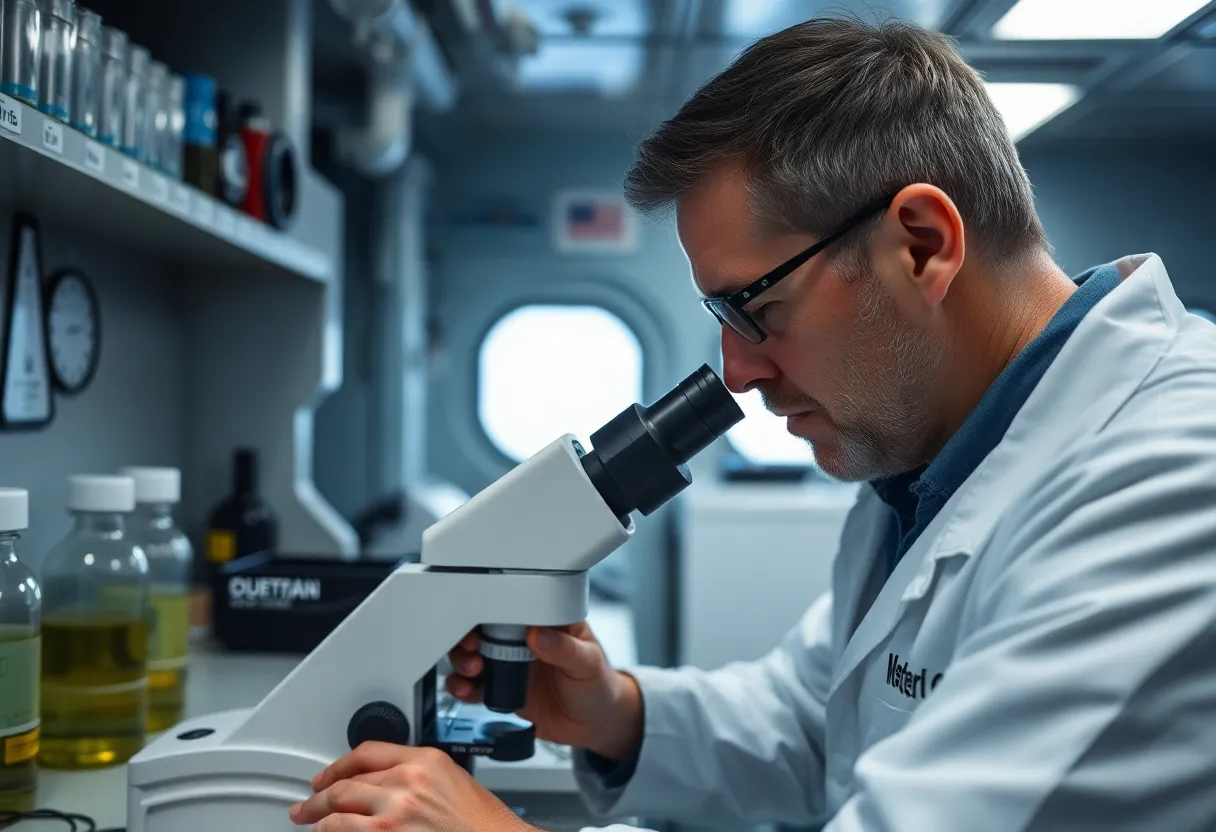
The Ballast Water Management Convention sets specific numeric discharge standards — the D-2 standard, which limits the concentration of living organisms of specified size classes allowed in discharged ballast water, expressed as a maximum number of organisms per cubic meter for larger organisms and per milliliter for smaller ones like bacteria. Ships must treat ballast water to meet this standard before discharge, using IMO-approved treatment systems, which is a meaningfully higher bar than the earlier D-1 standard some ships still operate under during a transition period, which only required ballast water exchange — swapping coastal water for open-ocean water mid-voyage, on the theory that fewer coastal organisms survive in open ocean conditions, without actually treating or filtering the water.
Meeting the D-2 standard in practice means installing an onboard ballast water treatment system, and several distinct technology approaches have been certified by the IMO: UV irradiation systems that neutralize organisms as water passes through, electrochlorination systems that generate a biocide from the seawater itself, and filtration combined with chemical disinfection. Retrofitting older vessels with these systems has been a genuinely significant capital cost across the global shipping industry — often cited in the range of several hundred thousand to over a million dollars per vessel depending on ship size and system chosen — which is part of why the compliance timeline included phased deadlines tied to a ship’s International Oil Pollution Prevention certificate renewal date rather than requiring universal immediate retrofitting.
Where Enforcement Still Struggles
Port state control — the inspection regime that’s supposed to verify compliance when ships call at a port — faces a practical problem that undercuts the convention’s effectiveness: reliably verifying that a ship’s ballast water actually meets the D-2 organism concentration standard requires specialized sampling and analysis equipment that most ports don’t have readily deployed for routine inspections, so compliance verification in practice often relies more on checking that a certified treatment system is installed and operating rather than directly testing discharged water quality against the numeric standard.
There’s also a documented gap in how well some installed treatment systems perform under real operating conditions — turbid, sediment-heavy coastal water, extreme temperature ranges, or high biological load can reduce treatment system effectiveness below what’s achieved in the controlled conditions treatment systems are certified under, an issue that IMO-approved type testing has been revised over time to address more rigorously, but which independent researchers have continued to flag as a real-world performance gap worth monitoring rather than a fully solved problem.
Why This Still Matters Beyond Shipping Regulation
Ballast water management is a useful case study for a broader pattern in global environmental governance: a genuinely severe, well-documented ecological problem, caused by an entirely mundane industrial process nobody outside the industry thinks about, that took decades to move from scientific recognition to binding international law, and still faces real enforcement gaps even after the law exists. The zebra mussel invasion that helped force this issue onto the international agenda happened in the 1980s; the binding convention that directly addresses its cause didn’t take effect until 2017, and meaningful enforcement infrastructure is still maturing years after that. It’s not a story of an unsolved problem — real ecological damage has been meaningfully reduced by these regulations, and treatment system adoption is now the industry norm rather than the exception it once was. It’s a story about how long global commons problems take to fix even once everyone in the room already agrees they’re a problem.