Why Game Pass Is Changing How Indies Think About Launch Day

Lake Park
March 1, 2026
Launch day used to be straightforward: ship the game, hope for sales, and watch the numbers. Game Pass has changed that. For indie developers, day-one inclusion in a subscription service is now a viable path—one that trades upfront revenue for exposure, guaranteed money, and a different kind of pressure. The calculus is shifting.
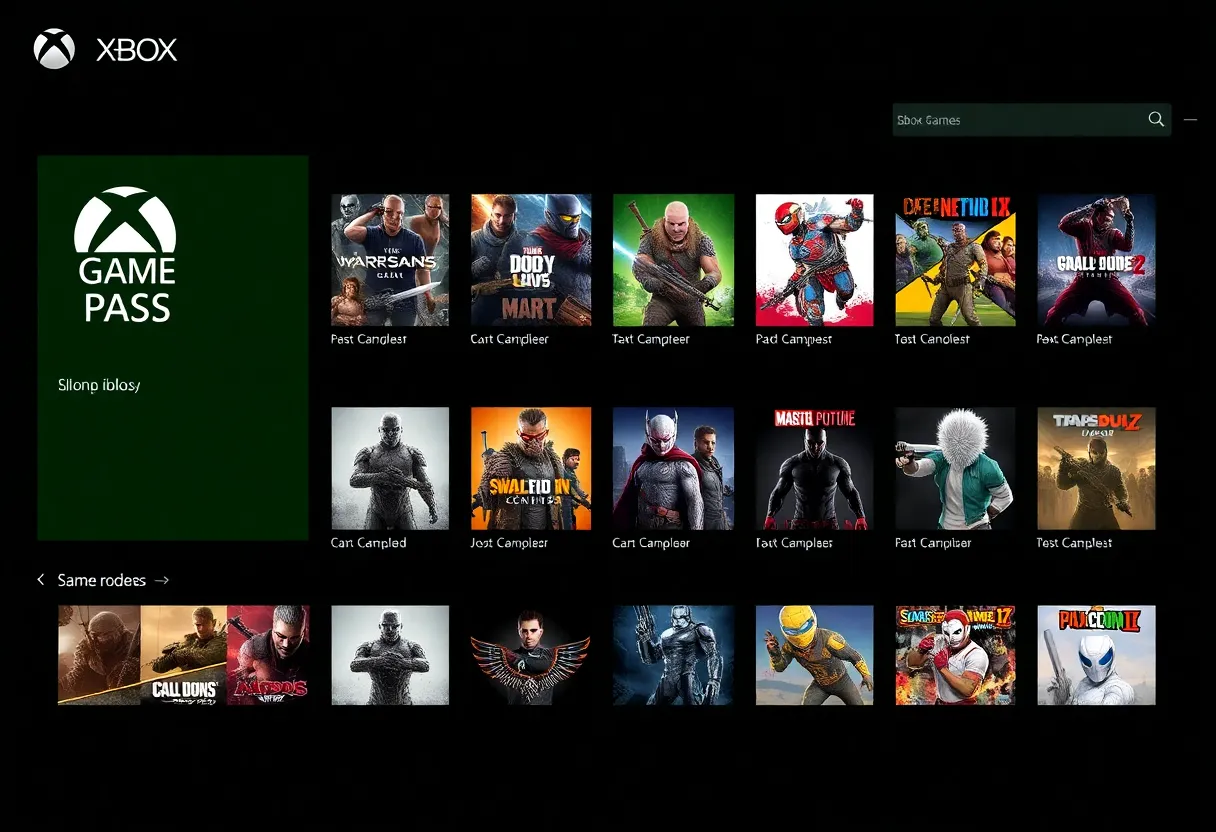
Xbox Game Pass, PlayStation Plus, and similar services have created a new market for indies. Microsoft pays for day-one rights; Sony and others offer curated catalogs. The deals vary, but the core idea is the same: developers get paid regardless of how many people actually play. In return, the platform gets content and subscribers get value. It’s a bet that works for some teams and doesn’t for others.
The New Launch Math
Traditional launch: you sell copies. Revenue equals units sold times price. If your game flops, you get nothing. If it blows up, you keep most of the revenue (minus platform cuts). Risk and reward are aligned.
Game Pass launch: you get a guaranteed fee. Microsoft (or another publisher) pays for the rights—often a lump sum or a per-download fee. Your revenue is fixed regardless of how many people play. The risk shifts. You don’t need to convince buyers to pull out their wallet; you need to convince a platform to pay you. The negotiation happens before launch, not after.
For many indies, that guarantee is attractive. A small team can’t afford a flop. A lump sum covers development costs and buys time for the next project. The trade-off: you might leave money on the table if the game performs well. A hit on Steam could outearn a Game Pass deal. But a flop on Steam earns nothing. The certainty of a deal outweighs the upside for teams that can’t absorb the downside.
Discoverability and the Long Tail
Game Pass solves discoverability—sort of. Being on the service means millions of subscribers see your game. No algorithm to game, no store page to optimize. You’re in the catalog. The question is whether those subscribers actually try your game. A huge catalog means fierce competition for attention. Launch day on Game Pass can mean a surge of players; a month later, your game might be buried under new additions.
Some indies find that Game Pass drives word-of-mouth. Players who wouldn’t have bought the game try it, love it, and recommend it. That can boost sales on other platforms—Steam, Nintendo, PlayStation—where the game isn’t on a subscription. The service becomes a marketing channel as much as a revenue source.
The Pressure of Day-One
Day-one on Game Pass means your game has to be ready. No soft launch, no early access, no patching later. Millions of players might download it in the first week. Bugs that would have affected a few thousand buyers now affect hundreds of thousands. The stakes are higher. So is the scrutiny.
Some teams thrive under that pressure. Others crack. The decision to go day-one isn’t just financial—it’s about whether your team can deliver a polished product on a fixed date. Miss the window, and the deal can fall apart. Ship broken, and your reputation takes a hit in front of a huge audience.
Who Benefits
Game Pass works best for mid-sized indies: teams with a solid game but limited marketing muscle. A tiny solo dev might not get a look; a big studio might prefer the upside of direct sales. The sweet spot is a team that needs the guarantee and can deliver the quality.
Launch day will never be the same. Subscription services are here to stay, and indies are adapting. The question isn’t whether Game Pass is good or bad—it’s whether it’s right for your game, your team, and your goals. For many, the answer is increasingly yes.