Why Game Subscription Models Are Splitting the Indie Game Market

Lake Park
March 15, 2026
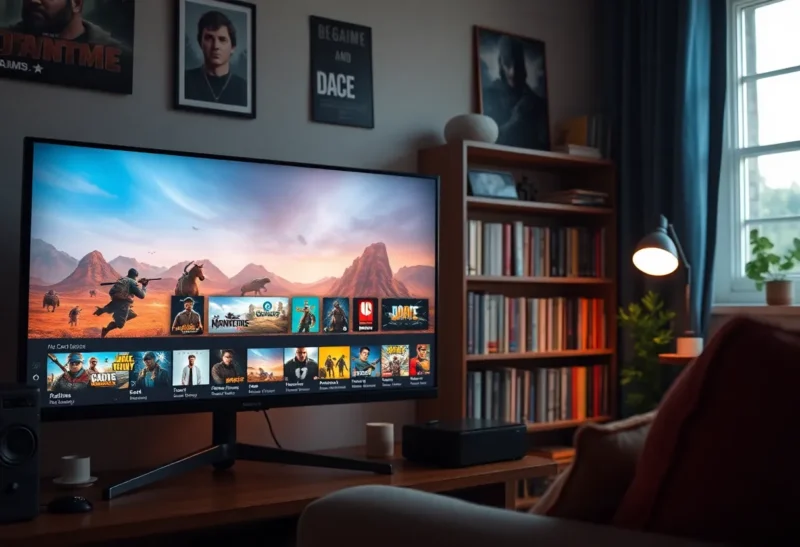
Game subscriptions—Xbox Game Pass, PlayStation Plus, Apple Arcade, and a growing list of others—have changed how many players discover and play games. For big publishers, they’re a way to monetize back catalogs and build habit. For players, they’re a buffet: pay once, sample widely. For indie developers, the picture is more complicated. Subscription models are splitting the indie market into those who can afford to play the deal and those who get squeezed.
When a game goes into a subscription service, the developer typically receives a lump sum or a per-download fee. The math only works if the payment covers the opportunity cost of not selling the game directly—or if the exposure leads to enough wishlists, DLC sales, or future titles to justify it. For some indies, day-one or early inclusion in Game Pass or similar is a lifeline: guaranteed money, visibility, and a chance to build an audience. For others, especially smaller teams without leverage, the terms are thin and the upside is unclear. The result is a two-tier reality: indies with a subscription deal get a stamp of legitimacy and reach; everyone else competes for attention in a storefront that still favors the algorithm and the already-popular.
Why Subscriptions Favor Certain Kinds of Indies
Subscription curators want games that keep people subscribed. That often means games with breadth (lots of content), replay value, or a hook that fits the service’s brand. Polished, mid-scope indies—especially in genres that suit “try it and see”—fit well. Roguelikes, narrative adventures, and co-op experiences can thrive in a “download and play” context. Niche or experimental games that need a long runway to click with players are a harder sell. So are very short experiences, unless they’re bundled or positioned as quick hits.
That doesn’t mean only one type of game gets in. But it does mean the indie ecosystem is increasingly sorted into “subscription-friendly” and “everything else.” The former get a path to revenue and visibility that doesn’t depend entirely on storefront featuring or wishlist conversion. The latter still live or die by Steam visibility, social buzz, and the occasional viral moment. The gap between those two paths is widening.
The Discovery Problem Gets Both Better and Worse
On the upside, being in a subscription catalog can put your game in front of people who would never have searched for it. Impulse tries are the norm; the barrier to “install and play” is low. That can turn into word of mouth, follow-up purchases, or a fan base for the next project. On the downside, the sheer volume of games in most subscription libraries means that placement and promotion inside the service matter as much as they do on a storefront. Getting in is only half the battle—you still need to be found. And because subscription revenue is shared or fixed-fee, the link between “someone played my game” and “I got paid enough to make the next one” is less direct than with traditional sales.
For indies who aren’t in a subscription at all, the problem is different. Players who spend most of their budget or time inside Game Pass or PlayStation Plus have less money and fewer hours left for buying indies off the store. Subscription spending can crowd out direct purchases. So the same model that gives some indies a boost can make it harder for others to sell copies at full price.
The Platform Calculus
Each subscription service has its own economics and audience. Xbox Game Pass has become a major channel for indies on PC and console; inclusion can mean millions of potential players and a guaranteed payment that de-risks launch. Apple Arcade favors polished, often family-friendly or narrative-driven games with no ads or IAP—a specific niche. PlayStation Plus and its tiers mix big-budget catalog titles with smaller games, so indies compete for attention alongside first-party hits. The calculus for a small team isn’t just “should we take a subscription deal?” but “which service, on what terms, and at what point in our lifecycle?”
Exclusivity windows add another layer. Some deals require timed exclusivity or limit where else the game can appear. That can be worth it if the fee and exposure justify delaying or limiting other platforms. For others, staying multiplatform and building wishlists everywhere is the better bet. There’s no single right answer—only trade-offs that depend on team size, genre, and how much you need the upfront cash versus long-tail sales.
The “Netflix for Games” Trap
Subscriptions are often compared to Netflix: a fixed monthly fee, a big catalog, discoverability through the service. But games aren’t movies. Play times vary wildly; one player might sink 80 hours into a single title while another samples five in a month. That makes per-play or per-download revenue models tricky. If the service pays a flat fee per install or a share of subscription revenue, the developer of a 2-hour narrative game and the developer of a 200-hour roguelike are in very different positions. Subscription economics tend to favor engagement—games that keep people in the ecosystem—which can tilt the catalog toward certain genres and lengths. Indies that don’t fit that mold may find subscription deals less attractive or less available.
What Indie Teams Can Do
If you’re building an indie game today, subscription deals are one lever among many—not a requirement, but worth understanding. Negotiating for a lump sum that actually covers development cost or a meaningful share of it is critical; accepting “exposure” as the main benefit is risky. Timing matters: day-one or early inclusion can drive wishlists and buzz for a later Steam or console launch, but only if the terms don’t lock you out of other platforms or exhaust your marketing window.
For teams that don’t land a deal, the old playbook still applies: build a community early, nail the store page and trailer, and aim for a concentrated launch rather than a slow fade. Subscriptions haven’t replaced that; they’ve added a parallel track that works for some and leaves others competing in a tighter market for direct sales.
Where This Leaves Players and Creators
For players, subscription libraries are a boon: more games to try, lower risk per title, and a way to support ecosystems that fund indies. The downside is that subscription budgets are finite. When a service pays a developer a lump sum, that money comes from subscription revenue, not from your direct purchase. Supporting a favorite indie still means buying their game when it’s on sale, grabbing DLC, or wishlisting and telling friends—subscription play alone doesn’t always translate into the kind of revenue that funds a studio’s next project.
For creators, the split is real. Some indies will thrive inside subscription ecosystems; others will continue to rely on Steam, itch, and direct sales. The market isn’t consolidating into one model—it’s fragmenting. Success in 2026 and beyond means understanding both paths: when a subscription deal makes sense, and when going it alone with a strong launch and community is the better call. The indie game market isn’t dying. It’s splitting. Knowing which side you’re on, and what you’re optimizing for, is the first step.