Space tourism is real. Billionaires have flown. Blue Origin and Virgin Galactic have carried paying customers to the edge of space. SpaceX has flown private crews to orbit. The capability exists. But “mainstream” implies something else: affordable, routine, and accessible to more than a handful of ultra-wealthy passengers per year. That’s a long way off.
Getting to space is hard. Making it cheap enough for ordinary people is harder. The companies leading the charge are making progress, but the economics and the physics work against a rapid shift to mass-market space travel. Here’s why 2030 is still too soon.
The Cost Problem
Today, a suborbital flight—a few minutes of weightlessness, a view of the curvature of Earth—costs hundreds of thousands of dollars. An orbital flight costs tens of millions per seat. SpaceX’s Crew Dragon missions to the International Space Station have flown private astronauts, but the price tag is in the range of $55 million per person. That’s not tourism; it’s ultra-exclusive luxury.
To reach anything like mainstream, prices need to fall by orders of magnitude. Suborbital flights might need to drop to tens of thousands of dollars—still expensive, but within reach of upper-middle-class customers. Orbital flights would need to drop to under a million per seat to attract more than a handful of buyers per year. That requires reusable vehicles flying frequently, high volume, and ruthless cost reduction. We’re not there yet.
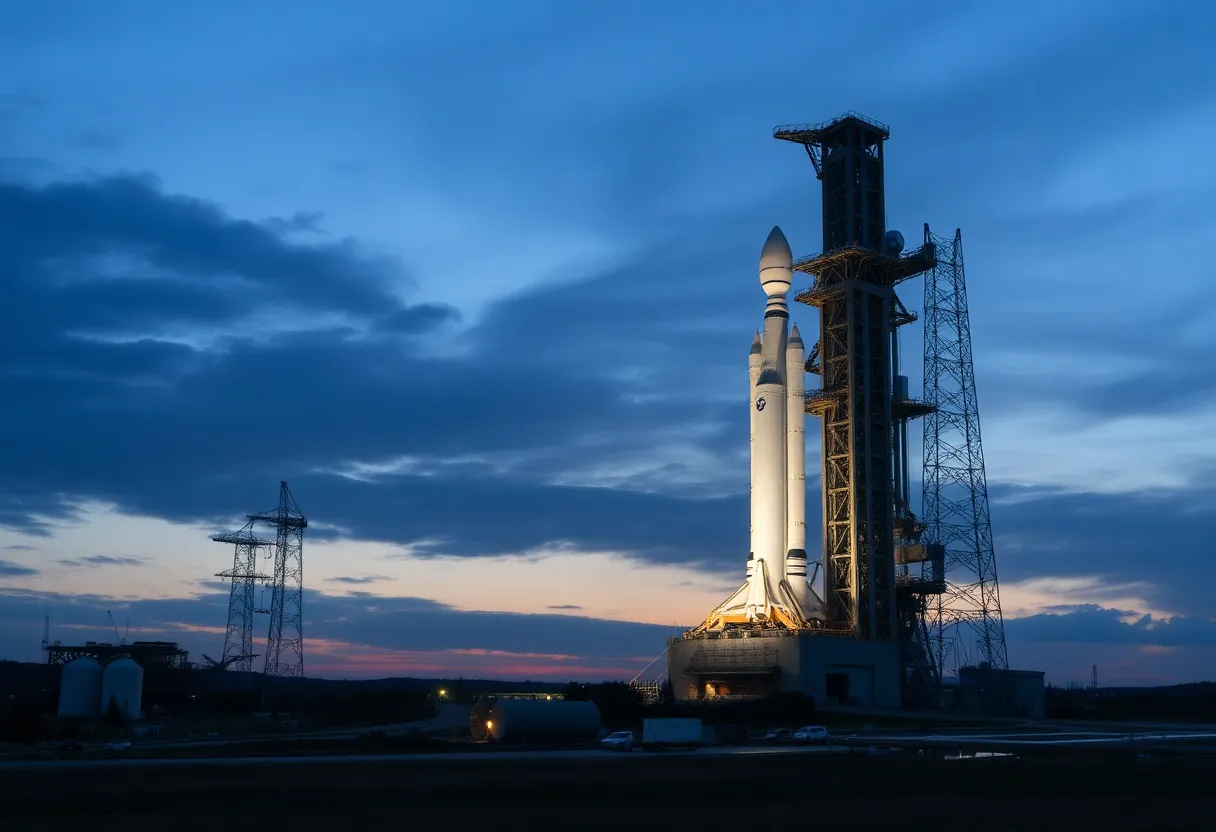
Reusability helps. SpaceX has proven that rockets can be flown multiple times, cutting the cost per launch. But the vehicles carrying humans—Crew Dragon, New Shepard, VSS Unity—are still expensive to build, certify, and maintain. Scaling up flight rate is the next step, but demand at current prices is limited. Chicken and egg.
The Regulatory Maze
Space tourism operates in a patchwork of national regulations. The FAA in the US, equivalent bodies elsewhere—each has different rules for crew, passengers, and vehicle certification. Getting approval to fly paying customers is slow and costly. One accident could tighten regulations further and delay the industry for years.
Insurance is another hurdle. Who covers a space tourist who gets hurt or killed? Liability, medical evacuation, and compensation are still being figured out. Until the legal and insurance frameworks mature, operators will be cautious about scaling up.
Supply and Demand
How many people are willing and able to pay hundreds of thousands of dollars for a suborbital hop? Or millions for orbital? The market is small. Blue Origin and Virgin Galactic have flown a few dozen passengers combined. SpaceX has flown a handful of private orbital crews. The backlog of interested buyers exists, but it’s not a mass market.
To reach mainstream, you need millions of potential customers. That implies prices in the range of a luxury vacation—maybe $10,000 to $50,000 for a suborbital experience. No operator is close to that price point while maintaining profitability. The path there requires bigger vehicles, higher flight rates, and years of iteration.
What Could Change
Starship changes the math. If SpaceX’s next-generation vehicle succeeds—fully reusable, massive payload, low cost per flight—it could theoretically bring orbital tourism prices down dramatically. But Starship is still in development. Operational, human-rated flights are years away. And even then, the regulatory and operational hurdles remain.
Suborbital tourism might reach a kind of “mainstream lite” before orbital—thousands of flights per year, tens of thousands of dollars per seat. But “thousands” is still a niche. Real mainstream—hundreds of thousands or millions of people per year—is a 2035 or 2040 story, if it happens at all.
Space tourism is here. Mainstream space tourism is not. Expect progress, but temper expectations. The final frontier will stay exclusive for a while yet.