Why Desktop Computing Isn’t Dead—It’s Just Different

Marcus Webb
March 15, 2026
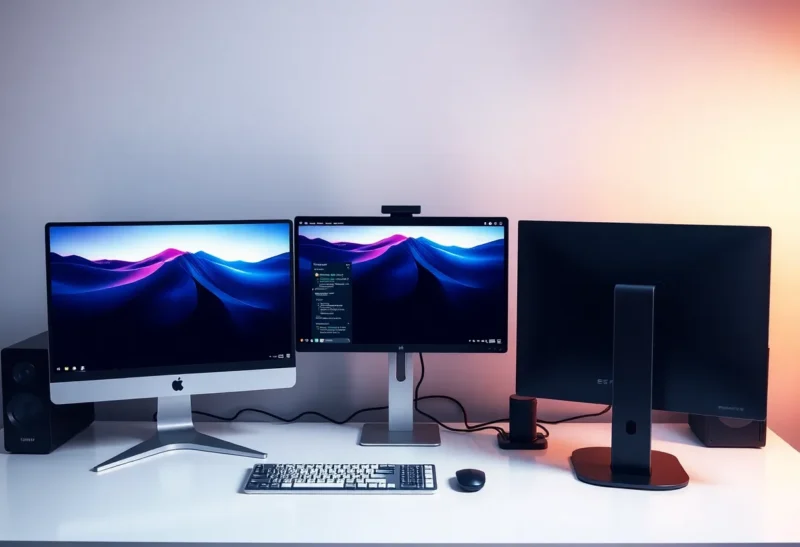
“The desktop is dead” has been a refrain for years. Laptops, tablets, and phones took over for many tasks; cloud and SaaS made the local machine feel like a thin client. But in 2026, desktops aren’t gone—they’ve shifted. They’re the machine for serious work: development, content creation, gaming, and anyone who needs real estate, power, and upgradeability. Desktop computing isn’t dead; it’s just no longer the default. It’s the choice for people who need more than a portable can give.
What Actually Declined
General-purpose desktop sales did drop. Most households don’t need a tower for email and browsing; a laptop or a tablet does the job. Offices moved to laptops for flexibility and hot-desking. So the “family computer in the den” and the “one PC per cubicle” model faded. That’s a real shift. But it’s not the same as “desktop computing is dead.” It means the desktop became a specialist tool instead of a universal one. The market shrank in volume but the remaining demand is from users who care about performance, expandability, and longevity—and who are willing to pay for it.
Where Desktops Still Dominate
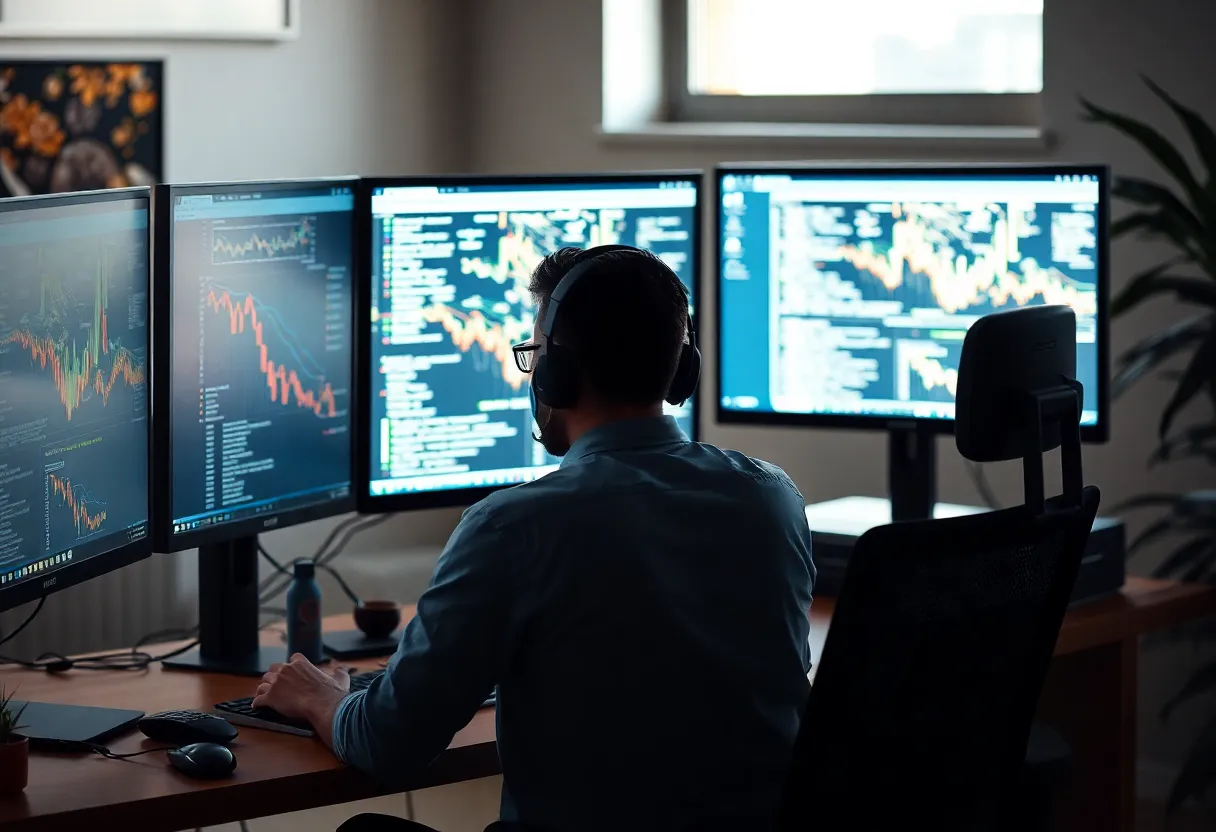
Developers, video editors, 3D artists, and engineers need CPU and GPU headroom, multiple monitors, and the ability to swap parts. A desktop lets you pack a high-wattage processor and a big cooler without worrying about battery or thermal throttling. You can add storage, RAM, and GPUs over time. For gaming, a desktop still delivers the best performance per dollar and the option to upgrade instead of replacing the whole machine. Workstations and high-end builds are a steady segment—not growing like phones, but not disappearing.
Homelabbers and power users also lean on desktops. Servers, NAS boxes, and custom rigs often start as or live in tower form. The ability to add drives, NICs, and expansion cards matters. Laptops and mini PCs have their place, but when you need slots and cooling, desktop form factors win.
Content creation is another stronghold. Video editing, music production, and large-scale photo work benefit from fast storage, lots of RAM, and powerful GPUs for encoding and effects. Laptops have caught up in raw specs in many cases, but sustained load and thermal headroom still favour a tower. If you’re rendering for an hour or running multiple VMs, a desktop with proper cooling will hold boost clocks that a laptop can’t match without throttling.
The Laptop-Desktop Split
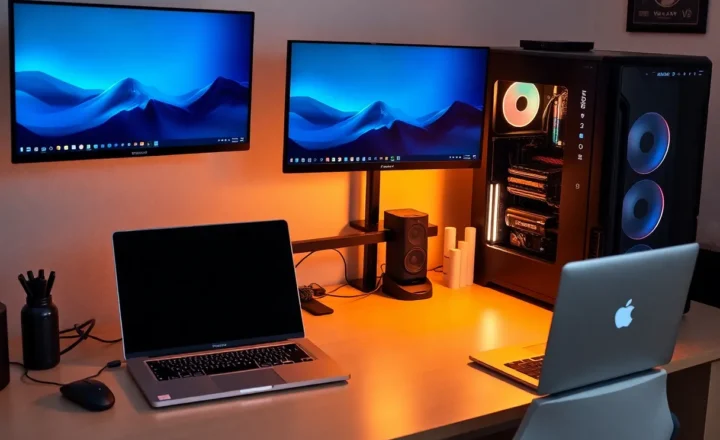
Many people now have both: a laptop for mobility and a desktop (or a powerful workstation at the office) for heavy lifting. The desktop is the “when I need to get work done” machine; the laptop is “when I need to do it somewhere else.” That split is the new normal. Desktops didn’t die; they became the anchor of a two-device (or more) setup for anyone whose work demands more than a thin client. Remote work accelerated that: your home desk might have the tower, and the laptop is for coffee shops and travel. The desktop is the base station; the laptop is the satellite.
Gaming illustrates the pattern. Console and laptop gaming have grown, but the high-end PC market—custom builds, high-refresh monitors, and upgradeable GPUs—remains substantial. Enthusiasts still prefer desktops for the best experience and the ability to tune. The same goes for streamers and creators who run heavy encoding and multiple monitors. The desktop is the tool for “I need everything in one place and I need it to stay fast.”
What “Different” Means in 2026
Desktops today are more modular and more focused. Prebuilts still sell, but the DIY and custom-build market is healthy. Components are easier to mix and match; cases and cooling have improved. The desktop isn’t the default first computer for most people, but for those who choose it, it’s a more capable and flexible platform than ever. NVMe storage, high-core-count CPUs, and powerful GPUs are standard in enthusiast builds. The ecosystem has adapted to a world where “desktop” means “workstation” for a lot of buyers—not the family shared PC.
Desktop computing isn’t dead—it’s just different: no longer universal, but far from gone. It’s the choice for power users, creators, and anyone who needs more than a portable can deliver. If you’re in that camp, the desktop is very much alive. If you’re not, you might not need one—and that’s exactly the shift that defines the desktop in 2026.