What the Latest Chiplet Designs Mean for Your Next Upgrade

Marcus Webb
March 15, 2026
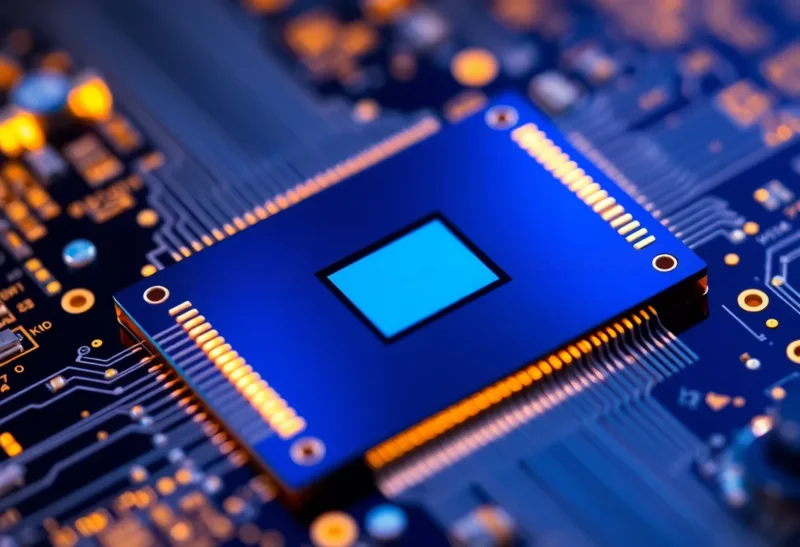
Chiplets—multiple smaller dies packaged together instead of one giant monolithic chip—have gone from research topic to mainstream. AMD, Intel, and others are shipping processors and GPUs built from chiplets, and the trend is only accelerating. For your next upgrade, that means more cores, better yields, and more flexible product stacks. It also means some new trade-offs: latency between dies, packaging complexity, and a different relationship between what you buy and how it’s built. Here’s what the latest chiplet designs actually mean for you.
Why Chiplets Won
Building one huge die is expensive and fragile. As dies get larger, the chance of a defect anywhere on the wafer kills the whole chip. Chiplets let manufacturers build smaller dies—each with a higher yield—and connect them in a package. You get the equivalent of a big chip without the yield penalty. That’s why we’re seeing more cores and more capability at prices that would have been unthinkable with monolithic designs. AMD’s Ryzen and EPYC lines use chiplets for CPU cores; their GPUs and Intel’s latest are moving that way too. The economics favor chiplets for high-end parts, so your next CPU or GPU is likely to be a chiplet design.
What You Gain: Cores, Efficiency, and Choice
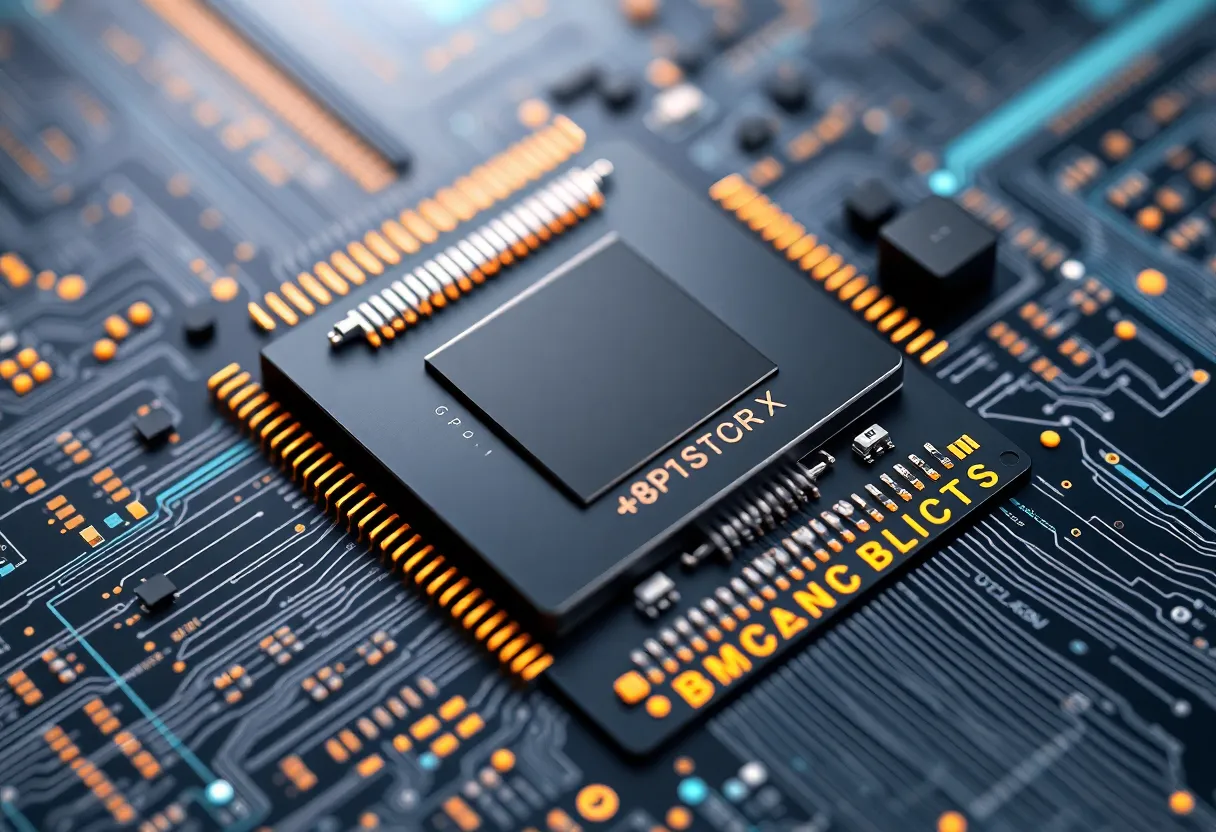
For you as a buyer, chiplets often mean more cores for the money. AMD’s Ryzen 9 and Threadripper parts pack multiple core chiplets (CCDs) around a central I/O die. You get high core counts without one enormous, low-yield die. You also get better binning: manufacturers can mix and match chiplets to hit different SKUs. A 12-core and a 16-core might share the same core chiplets; the difference is how many are enabled. That flexibility helps with pricing and availability. On the GPU side, chiplet designs are enabling larger and more capable cards without the old monolithic limits. So in practice, your next upgrade is likely to be a chiplet-based part that offers more performance or better value than a monolithic equivalent would have.
The Trade-offs: Latency and Cache
Chiplets aren’t free. Communication between dies goes over an internal link (AMD’s Infinity Fabric, Intel’s EMIB, or similar). That link has latency and bandwidth limits. For CPUs, that can mean that cores on the same chiplet talk to each other faster than cores on different chiplets. Software and the OS try to keep threads on the same chiplet when possible, but it’s something to be aware of for latency-sensitive or heavily multi-threaded workloads. Cache hierarchy also gets more complex: you might have L3 cache per chiplet rather than one big shared pool. In most desktop and even many professional workloads, the impact is small. For extreme cases—high-frequency trading, certain HPC codes—it can matter. For typical use, the extra cores and efficiency usually outweigh the latency cost.
What to Look For in Your Next Upgrade
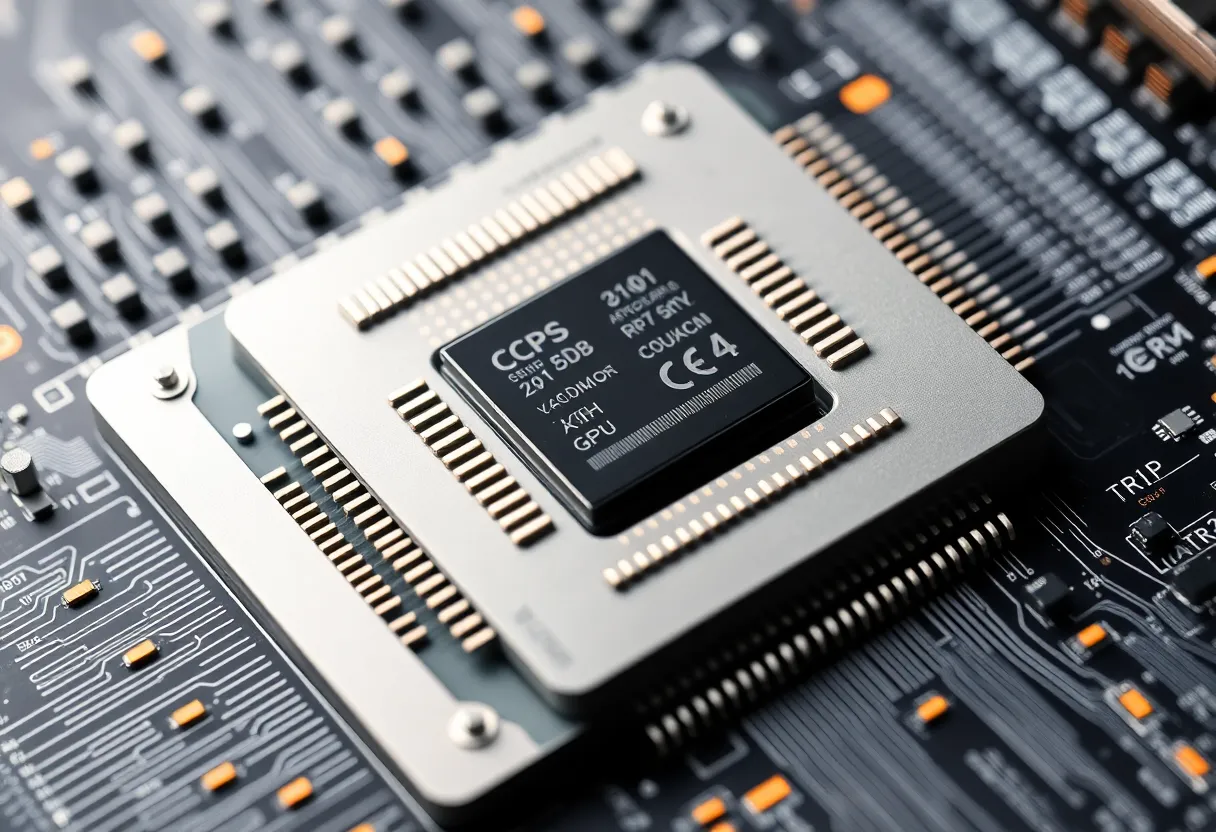
When you’re comparing CPUs or GPUs, chiplet design is mostly under the hood. You care about performance, power, and price—not how many dies are in the package. But it’s worth knowing that chiplet-based parts tend to scale well: more cores and more cache are easier to add. So when you see a new generation with higher core counts or better multi-threaded performance at a similar price, chiplets are often the enabler. For your next upgrade, focus on the benchmarks and reviews that match your use case. The fact that a part is chiplet-based is a reason it exists at that price and performance; you don’t need to “choose” chiplets. You’re already getting them. What you should do is understand that the architecture favors certain workloads—multi-threaded, scalable—and that latency-sensitive edge cases might need a closer look. For almost everyone, the latest chiplet designs mean a better next upgrade, not a compromise.
The Bottom Line
The latest chiplet designs mean more cores, better yields, and more flexible product stacks. Your next CPU or GPU is likely chiplet-based, and you’ll benefit from the economics and performance that enables. Be aware of cross-die latency for niche workloads; for most users, it’s a non-issue. When you upgrade, compare real-world benchmarks and value—the chiplet revolution is already in the parts you’re buying.