Why Competitive Chess Engines and Human Grandmasters Now Train Together

Kyle Brennan
July 9, 2026

Chess engines definitively surpassed the best human players over two decades ago, a milestone widely marked by Deep Blue’s 1997 defeat of Garry Kasparov, and the gap between engine and human playing strength has only widened dramatically since. That might suggest engines and human players have become separate, disconnected categories — engines play in their own computer chess competitions, humans play each other — but the actual practical relationship that has developed is closer to the opposite: modern elite human chess preparation is now deeply, structurally dependent on engine collaboration, to a degree that has fundamentally reshaped how top players study and prepare.
How Engine Analysis Became Standard Preparation Infrastructure
Every elite chess player’s preparation process today involves extensive engine analysis as a foundational tool, not an occasional supplement — players and their teams use chess engines to analyze opening variations, evaluate complex middlegame positions, and identify tactical resources that might not be apparent through human analysis alone, generating enormous databases of engine-evaluated positions and lines that inform opening preparation for specific opponents and tournament situations.
This shift happened gradually over roughly two decades as engine strength climbed and computing power became more accessible, moving from an era where strong engines required specialized hardware and were primarily research curiosities to the current environment where extremely powerful engines like Stockfish (an open-source engine that has dominated computer chess competition for years) run effectively on ordinary consumer laptops, putting world-class analytical capability in the hands of essentially any serious chess player rather than only elite players with institutional computing resources.
Neural Network Engines Changed What “Engine Analysis” Actually Means
The chess engine landscape itself underwent a meaningful architectural shift with the emergence of neural-network-based engines, most famously DeepMind’s AlphaZero in 2017, which learned chess entirely through self-play reinforcement learning rather than the traditional approach of hand-crafted evaluation functions and brute-force calculation that engines like earlier Stockfish versions relied on.
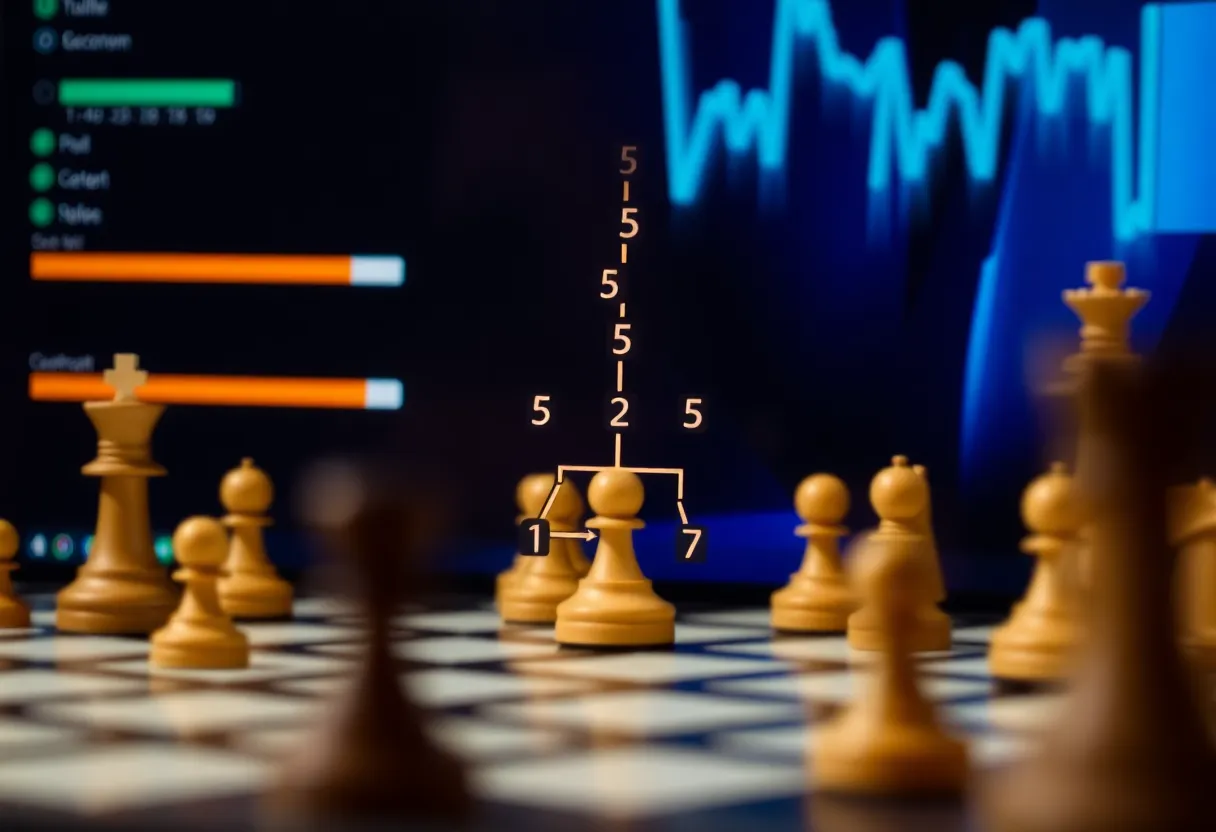
This mattered practically because neural-network-based evaluation approaches, which modern Stockfish versions have since incorporated through hybrid architectures combining classical search with neural network evaluation, produced noticeably different positional assessments and move preferences than older, purely calculation-based engines — sometimes favoring more strategically unusual, positionally rich move choices that traditional engines undervalued, giving human players a genuinely new source of strategic ideas rather than just faster, more accurate calculation of ideas humans would have considered anyway. Several elite players and commentators have specifically noted that studying AlphaZero-style engine games introduced genuinely novel strategic concepts into elite-level opening theory and positional understanding, rather than simply confirming existing human strategic intuition with more computational rigor.
Why Human Interpretation Still Matters Despite Engine Superiority
Despite engines being unambiguously stronger than any human player in pure playing strength, human interpretation and judgment remain genuinely necessary in how engine analysis actually gets used in preparation, for reasons that go beyond simple engine access. Raw engine evaluation output — a numerical assessment and a list of candidate moves ranked by calculated strength — doesn’t inherently explain why a position favors one side, or which specific strategic themes and follow-up plans make a particular engine-recommended move actually practical for a human to play and understand at the board, where a player can’t simply calculate as deeply or as error-free as the engine that generated the recommendation.
This is why elite player preparation teams generally combine engine analysis with substantial human interpretive work — translating raw engine output into understandable strategic plans, identifying which engine-favored lines are practically playable for a human under tournament time pressure versus lines that are objectively strong but require near-perfect follow-up calculation the player can’t reliably reproduce live, and building a broader strategic understanding around engine-verified positions rather than simply memorizing engine-recommended move sequences without deeper comprehension.
The Specific Tools and Workflow of Modern Engine-Assisted Preparation
Modern elite chess preparation typically involves a structured workflow combining several distinct tools: chess engines for raw position evaluation and move calculation, large searchable databases of historical and recent tournament games to identify what specific opponents have played and how they’ve handled similar positions previously, and specialized opening preparation software that lets players and their teams build and maintain organized “repertoire” files tracking engine-verified analysis across the specific opening systems a player has chosen to specialize in.

Top players typically work with dedicated preparation teams (seconds, in chess terminology) who handle a substantial share of this engine-assisted analytical work between tournaments and even during ongoing events, reflecting how much preparation labor engine-assisted chess analysis now requires to do thoroughly at the elite level, compared to earlier eras when a strong player’s own study and intuition, informed by less systematic historical game analysis, played a larger relative role in preparation.
What This Collaboration Says About Human-AI Dynamics More Broadly
Chess has often served as an early proving ground and bellwether for broader questions about human-AI collaboration precisely because the field has had over two decades to work through the practical relationship between vastly superhuman AI capability and continued human skill and judgment, longer than most other domains currently grappling with similar dynamics. The chess world’s actual trajectory — not human replacement by engines, but a durable collaborative division of labor where engines provide calculation and evaluation depth no human can match, while human players and preparation teams provide interpretive judgment, practical playability assessment, and strategic framing that raw engine output doesn’t supply on its own — offers a genuinely instructive model for thinking about how other fields might productively integrate AI capability that exceeds human performance in narrow calculation without simply displacing the human expertise built around applying that calculation meaningfully.