What Backup Power Standards Get Wrong About Home Battery Systems

Oliver Shaw
July 9, 2026
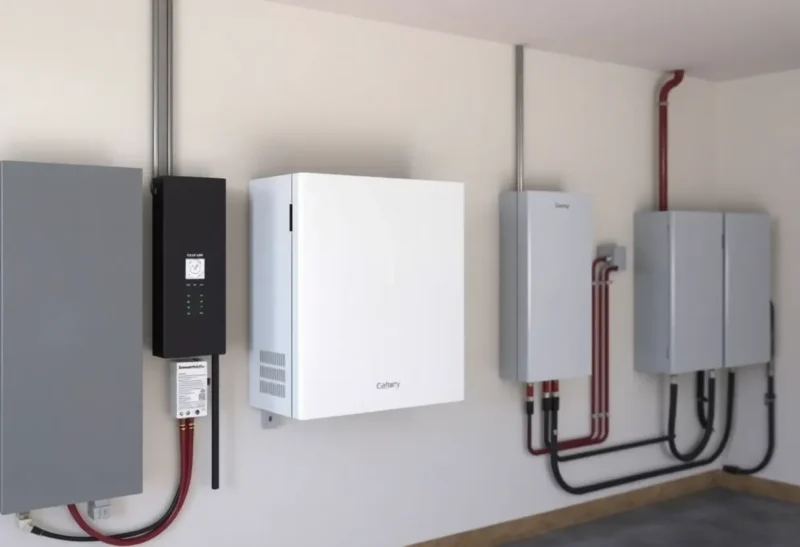
Home battery systems are sold on a simple promise: when the grid goes down, your house doesn’t notice. The marketing shows a storm knocking out power to a neighborhood while one house keeps its lights, refrigerator, and Wi-Fi running uninterrupted. That promise is achievable, and thousands of installed systems deliver it every year during real outages. It’s also built on a set of backup-power sizing standards and installer conventions that quietly assume a version of “backup” much narrower than what most homeowners picture when they sign the contract.
The gap between what a system is rated to do and what a homeowner expects it to do is where most post-installation disappointment comes from — not equipment failure, but a mismatch between marketing language and the actual engineering constraints of residential battery backup.
“Whole Home Backup” Rarely Means the Whole Home
Battery backup systems are sized around two numbers that don’t always get equal attention during a sales pitch: continuous power output (measured in kW) and total energy capacity (measured in kWh). A system can have plenty of energy capacity — enough to run a modest load for a full day — while still being unable to start a single high-draw appliance, because starting loads like air conditioner compressors, well pumps, and electric water heaters can draw several times their running wattage for a brief surge when they switch on.
Most residential battery systems in the sub-$15,000 range are sized for what installers call “essential loads backup” rather than true whole-home backup: refrigerator, some lighting circuits, internet equipment, and a few outlets, wired through a dedicated sub-panel rather than the home’s full electrical panel. Homeowners who assume “battery backup” means their central air conditioning and electric range will keep working through a multi-day outage are frequently wrong, and the standards governing how these systems get sized don’t require installers to make that limitation obvious in plain language.
Where the Sizing Standards Actually Come From
The relevant standards — primarily NEC (National Electrical Code) Article 705 and 706 provisions covering energy storage systems, along with UL 9540 for the equipment itself and UL 9540A for fire safety testing — were built around safety and interconnection, not around communicating realistic backup expectations to consumers. They govern things like how the system disconnects from the grid during an outage (anti-islanting protection, so your solar and battery system doesn’t backfeed power onto lines utility crews might be working on), how much thermal runaway risk is acceptable in the battery chemistry, and how the system is wired relative to the home’s main panel.
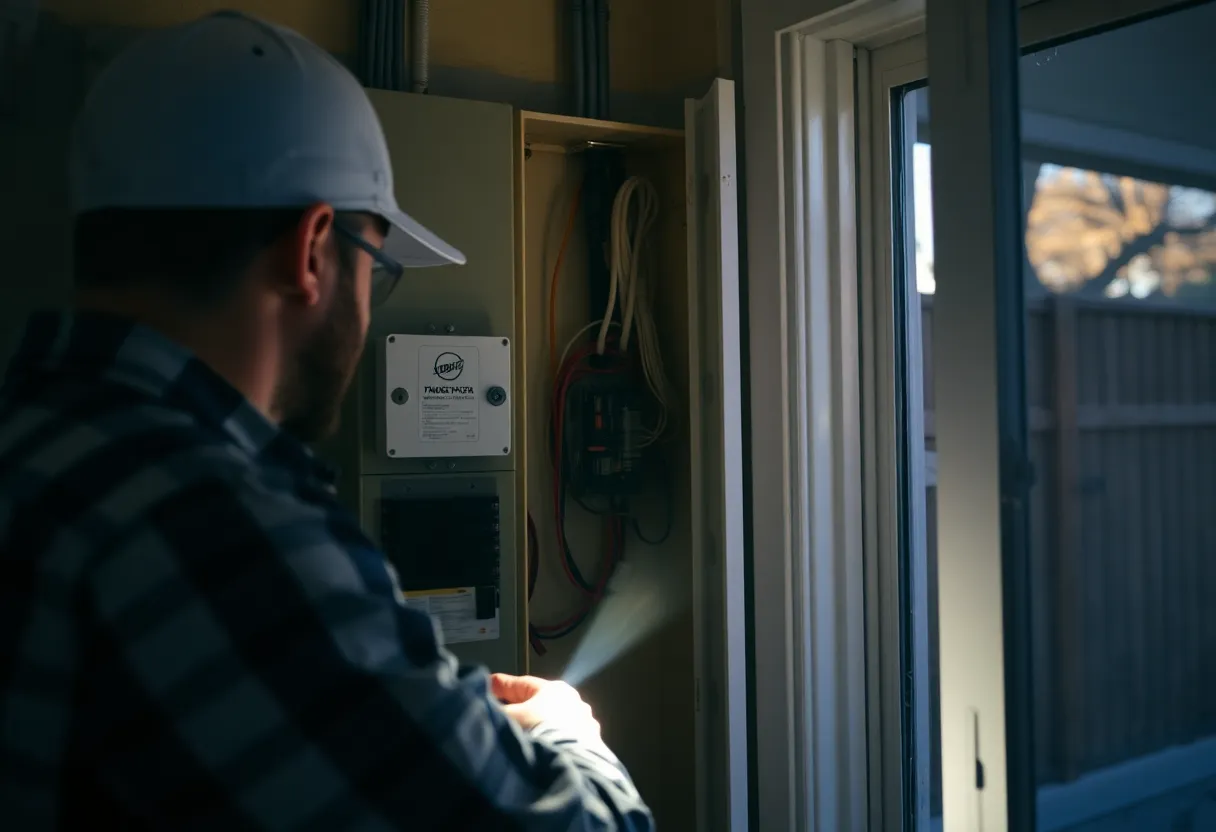
None of that regulatory framework specifies how installers should communicate real-world runtime expectations, which loads will and won’t be covered, or how performance degrades in cold weather. That’s left entirely to individual installer practice and manufacturer marketing, and it varies enormously. A careful installer will walk a homeowner through an actual load calculation — literally adding up the wattage of what they want backed up and comparing it against the system’s continuous output rating and usable capacity. Plenty of installers, working on commission and racing through sales appointments, skip this and let the marketing materials do the explaining, which tends to show best-case scenarios.
The Cold Weather Problem Almost Nobody Mentions
Lithium-ion battery capacity and power delivery both degrade meaningfully in cold temperatures, and most home battery systems are installed in garages or exterior enclosures that aren’t climate controlled. A battery rated for a certain kWh capacity at standard test conditions (typically around 25°C) can lose a substantial fraction of usable capacity in freezing temperatures, precisely the conditions under which winter storm outages — historically the most common cause of multi-day residential power loss — actually occur.
Manufacturers do publish derating curves for cold-weather performance, but this information rarely makes it into consumer-facing sales conversations, and it’s not something backup sizing standards require installers to walk through with buyers. The result: a homeowner in a cold climate who sized their system based on room-temperature spec sheet numbers may find their actual outage runtime meaningfully shorter than expected, precisely during the ice storm scenario the system was purchased for.
What “Backup Hours” Advertising Usually Leaves Out
Marketing materials frequently advertise a specific number of backup hours — “power your essentials for up to 10 hours” — calculated against an assumed load profile that may not match the buyer’s actual usage. These estimates typically assume moderate, staggered use: a refrigerator cycling on and off, lights used briefly, not simultaneous heavy draw from multiple appliances. Add a space heater, a sump pump kicking on during a storm, and normal refrigerator cycling all at once, and actual runtime can be substantially shorter than the advertised figure, because published runtime numbers rarely disclose the specific load assumptions behind them clearly enough for buyers to sanity-check against their own household.
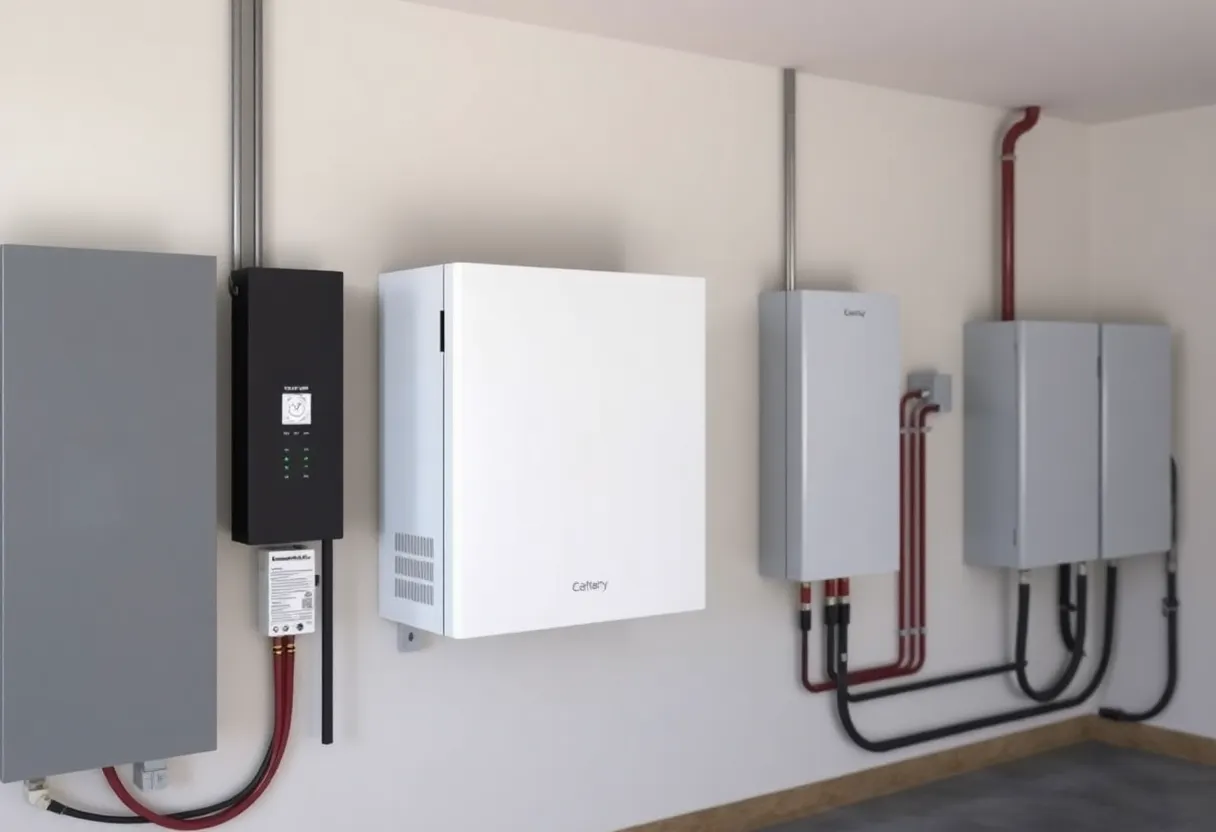
This is compounded by battery degradation over the system’s warrantied lifespan. Most home battery warranties guarantee a minimum retained capacity — often around 70% — at the end of a 10-year warranty period, which means a system’s real-world backup duration is expected to shrink measurably over its service life. A homeowner comparing their year-one outage performance to their year-eight performance and finding shorter runtime isn’t necessarily experiencing a defect; they’re experiencing normal, warrantied degradation that the original sales pitch rarely frames in those terms.
What a More Honest Sizing Conversation Looks Like
The homeowners who end up satisfied with battery backup performance are almost always the ones who had a specific, itemized conversation before installation: which circuits actually need power during an outage, what those circuits draw at both steady-state and startup, what happens to that math in the coldest month of a typical year, and what the system’s output looks like after several years of normal degradation rather than on day one.
That’s a more involved conversation than “whole home backup” marketing implies, and it takes more of an installer’s time than a quick sales pitch, which is part of why it doesn’t happen as consistently as it should. The technology itself is mature and the safety standards governing it are genuinely rigorous — this isn’t a story about unsafe or poorly engineered equipment. It’s a story about a category of standards built to answer “is this safe to connect to the grid” that never had to answer “will this actually do what the homeowner thinks it will do,” and a sales process that hasn’t consistently filled that gap on its own.