TrueNAS Scale vs Unraid: ZFS Discipline Versus the USB Boot Stick

Duncan Hale
August 25, 2026
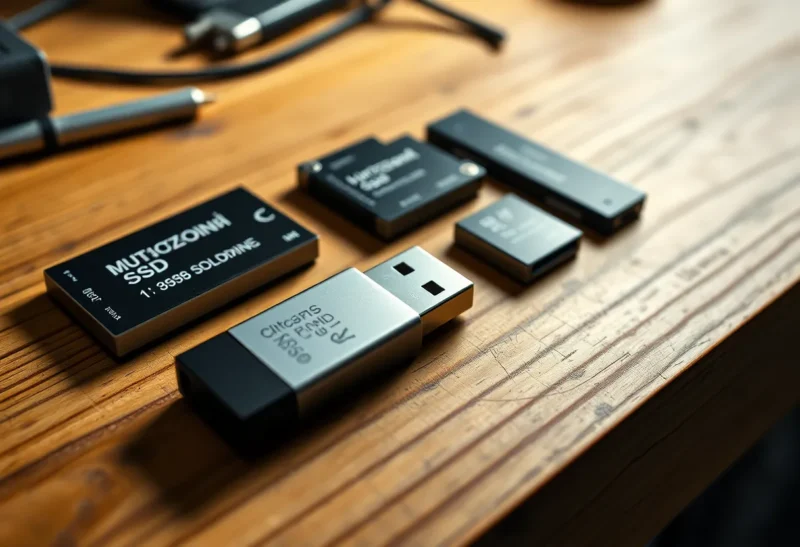
Unraid will sell you a USB stick and a license that lives on that stick. TrueNAS SCALE will sell you a philosophy: ZFS is the pool, the boot drives are a pair of cheap SSDs, and you do not add a random 8 TB disk to a vdev because it was on sale. I have run both. The USB stick is not a joke. It is the entire operating system. The ZFS discipline is not a personality. It is the reason a single disk failure is a story instead of a eulogy.
Homelab people pick Unraid because the junk drawer of drives becomes an array by Friday. They pick TrueNAS because they have already read about a friend who lost a pool by treating ZFS like Unraid. Both picks are correct for different piles of metal. The wrong pick is pretending they are the same appliance with a different logo.
What the USB stick actually is
Unraid boots from a flash drive. The array, cache, and pools are the data. The stick holds the OS, the license GUID, your plugin list, and a pile of config that is easy to forget to back up. If the stick dies, the disks are usually fine. You image a new stick, restore the backup, keep the same GUID if you followed Lime Technology’s replacement process. If you did not back up the stick, you are rebuilding a life from memory: share names, Docker templates, that one SMB extra you set in 2023.
I have replaced an Unraid stick twice. Once was a cheap USB 2.0 drive that wore out. Once was a cat. Both times the array came back. Both times I lost an afternoon to Docker containers that were “on the cache” in a way I had not written down. The stick is a single point of administration, not a single point of data — unless you were storing data on the stick, which you should not, and which people still do with a stray share.
TrueNAS SCALE wants a boot pool. Mirror two small SSDs. The OS is not a souvenir on a thumb drive you bought at a grocery store. You can still fail: you can install SCALE on a single USB “just to test” and then keep using it. Do not do that. If you wanted a USB OS, you wanted Unraid, which at least designed for it.
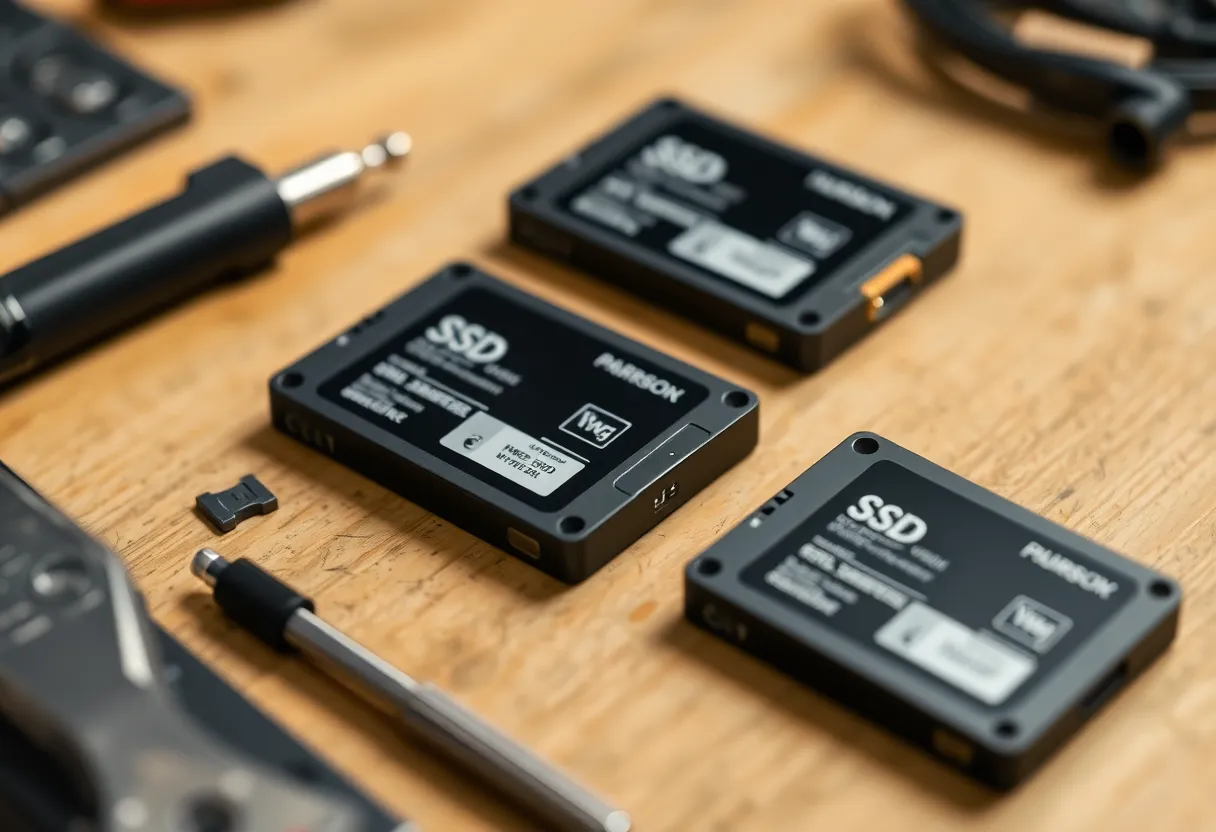
ZFS discipline versus the mixed-disk array
Unraid’s classic array is parity plus data disks that can be different sizes, filesystems, and ages. You add a disk. You do not rebuild a vdev. A data disk dies and you replace it; the others keep serving files. That is the feature that wins living rooms. It is also why Unraid people can own a 4 TB, an 8 TB, and a 14 TB and still sleep.
ZFS on TrueNAS wants symmetric vdevs. You do not add a single disk to a six-wide RAIDZ2 and call it a day the way you add a disk to Unraid. You plan the vdev. You buy a set. You accept that “expand” means add a vdev or replace every disk in a vdev, depending on the era and the feature flags you actually have. SCALE has gotten friendlier. It has not become a junk drawer.
Unraid now speaks ZFS for pools, which muddies the marketing. You can run an Unraid array for the odd disks and a ZFS pool for the serious data. That hybrid is how a lot of 2026 boxes look. It is also two backup stories. I treat the ZFS pool as the one I snapshot and replicate. I treat the array as media I can rip again.
TrueNAS without a second copy is still a single site. Snapshots are not a backup. Replication to another box or to a cloud target is a backup. Unraid users who never test a parity rebuild are in the same church. I have watched both communities confuse a green dashboard with a restore. Restore drills are how that confusion ends; a green SMART badge is how it starts.
Apps, VMs, and the reason you bought more RAM
Unraid’s Docker and VM story is the reason people stay after the array is “good enough.” The community templates are a bazaar. You click, you map a path, you fight a permission. SCALE has apps. SCALE has also changed how apps are implemented more than once. If you picked SCALE in 2023 for Kubernetes and you are still here in 2026, you have already migrated once. That is not a moral failing. It is a product that was still deciding what a homelab app is.
I run fewer apps on TrueNAS. I run the NAS as a NAS: SMB, NFS, snapshots, replication. Apps live on a separate Proxmox box or a Mini PC. That is extra hardware. It is also why a SCALE update does not take Jellyfin with it. Unraid users often want one box. That is valid. One box means the USB stick, the array, and the containers share a fate. Plan the backup of app configs like you plan the stick backup.
RAM is not optional on ZFS if you were sold “ARC will use what it needs” and then you also run VMs. TrueNAS will take RAM for the pool. Unraid will take RAM for Docker. A 16 GB box can do a quiet file server. A 16 GB box that is also Plex and VMs and a ZFS pool will swap and you will blame the logo.
The failure I actually care about
On Unraid it is the untested parity rebuild and the dead stick. On TrueNAS it is the vdev you cannot afford to replace and the app plugin that will not start after an upgrade. I have not lost a ZFS pool. I have lost access to a pool for a day because I imported it on the wrong machine with the wrong feature flags. I have not lost an Unraid array. I have served a corrupted movie for a month because I never ran a parity check after a dirty shutdown.
Scrubs and parity checks are the same kind of chore. Schedule them. Do not schedule them on the afternoon you have guests and the server is also transcoding. The disk that fails during a check is the disk that was already dying. The check did not kill it. The check told you.
Encryption is a separate argument. Both can encrypt. Both can lock you out. I keep the key in a password manager and on paper in a drawer. I do not keep it only on the NAS. That sentence is the same for SCALE and Unraid.
License, cost, and the used-hardware tax
Unraid is a license tied to the USB GUID. More drive slots cost more. That is honest. TrueNAS SCALE is free as in you still pay for the disks and the electricity and the weekend. Enterprise TrueNAS is a different sales motion. Homelab SCALE is the software. Support is the forum and your notes.
Used NAS chassis with hot-swap bays work for both. Unraid is happier with a mixed used-disk haul. SCALE is happier if you buy a matching set even if they are used. I would rather spend money on a matching set of 12 TB disks than on a prettier UI. I would rather spend money on a second small box for replication than on a third plugin.
Who should take the USB stick
Take Unraid if your disks are a collection, you want Docker on the same machine, and you will back up the flash every month. Take it if you will add one drive at a time for the next three years. Take it if ZFS still feels like a language you do not want to speak on the media library.
Take SCALE if the pool is the product, you can buy disks in sets, you want snapshots and replication as first-class, and you are willing to keep apps elsewhere or accept SCALE’s app story as it stands this year. Take it if a USB boot feels like a dare.
Take neither if you wanted a Synology and you will be happier paying for a used plus. That is allowed. This comparison is for people who already decided they will own the OS.
What I run
The media and the odd disks sit on Unraid. The documents, photos, and the dataset I would cry about sit on SCALE with a weekly replication to a disk on the Unraid box — not as a pool member, as a backup target. Two logos. Two boot stories. One restore test a quarter.
If I could only keep one, I would keep SCALE for the data I cannot rip again, and I would put media on a cloud of “I can download it.” If I could only keep one box and I already owned six different disks, I would keep Unraid and I would buy a second USB stick to clone before the first one dies. The discipline is ZFS or it is a calendar reminder about the flash drive. Pretending you need neither is how a homelab becomes a story you tell after the fact.