Synthetic Biology Explained: What Scientists Can Now Do With DNA

Jordan Lee
July 7, 2026
Biology, for most of its history as a science, has been a discipline of observation and intervention. Scientists observed how living systems worked and occasionally modified them—selectively breeding crops, coaxing microorganisms to produce useful compounds through fermentation, or using radiation to induce mutations and selecting for beneficial traits. The organisms themselves remained fundamentally unplanned, their genetics the product of millions of years of evolutionary history.
Synthetic biology changes the orientation entirely. Rather than working with what evolution has produced and making modifications at the margins, synthetic biology applies engineering principles to living systems—designing genetic sequences, building biological circuits, and assembling entirely new molecular machinery to perform specific functions. The goal, in the most ambitious formulations, is to treat DNA the way software engineers treat code: as a programmable medium for building systems with defined behaviors.
This is not science fiction. Significant milestones have already been passed, and practical applications are either already deployed or in late-stage development across medicine, materials, agriculture, and industrial production. Here’s what’s actually happening in the field.
The Foundation: DNA as a Programming Language
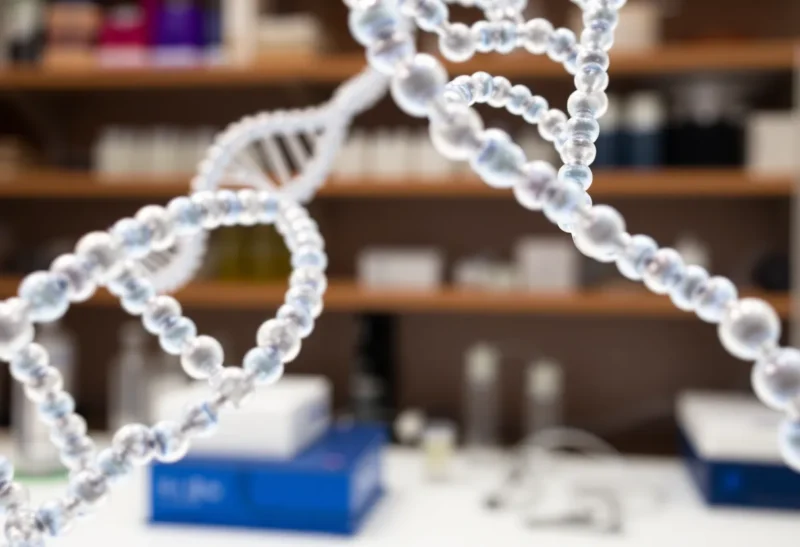
DNA is a molecule that stores information in a four-letter alphabet—adenine, thymine, cytosine, and guanine (A, T, C, G). Sequences of these bases encode proteins through the genetic code, and proteins do the actual work of biology: catalyzing reactions, building structures, sensing signals, and regulating other genes. The genome of a living organism is, in one sense, a set of instructions—enormously more complex than any software program humans have written, but instructions nonetheless.
What makes synthetic biology possible is the increasing ability to read, write, and edit DNA sequences with precision. Three technological threads converged to enable this:
DNA sequencing: The ability to read the base sequence of DNA has become extremely fast and cheap. The first human genome cost roughly $3 billion and took more than a decade. Today, a complete human genome can be sequenced for under $200 in a few days. This abundance of sequence data gives synthetic biologists extensive knowledge of what sequences do what.
DNA synthesis: The ability to write—chemically synthesize—arbitrary DNA sequences has improved dramatically. Synthesizing a custom gene sequence of several thousand base pairs now costs a few hundred dollars and takes days. Longer sequences, up to entire chromosomes, remain technically challenging but are within reach for well-resourced research groups.
Genome editing: CRISPR-Cas9 and related tools allow precise, targeted editing of DNA sequences inside living cells. Unlike earlier gene editing tools, CRISPR is relatively cheap, fast, and programmable—changing the target just requires changing a short guide RNA sequence. This made precise genetic modification accessible to labs that previously couldn’t afford specialized editing infrastructure.
What Synthetic Biologists Actually Build
The field operates at several scales, from individual genetic elements to entire synthetic organisms.
Genetic Parts and Circuits
The most basic unit of synthetic biology is the genetic part: a defined DNA sequence with a defined function. Promoters control when genes are expressed. Ribosome binding sites control translation efficiency. Terminators stop transcription. Regulatory sequences can make a gene respond to specific signals—light, chemical concentrations, temperature.
By assembling these parts in different combinations, synthetic biologists build genetic circuits—networks of genes and regulatory elements that perform logical operations. A simple genetic AND gate expresses a gene only when two specific input signals are both present. Toggle switches can be flipped between two stable states. Oscillators can produce rhythmic patterns of gene expression.
These circuits operate purely through molecular interactions—protein production, protein binding, gene regulation—but they can be designed to perform information processing in ways that would be familiar to a digital engineer. The 2000 papers “Construction of a genetic toggle switch in Escherichia coli” and “A synthetic oscillatory network of transcriptional regulators” established that genetic circuits could be rationally designed, not just studied.
Metabolic Engineering
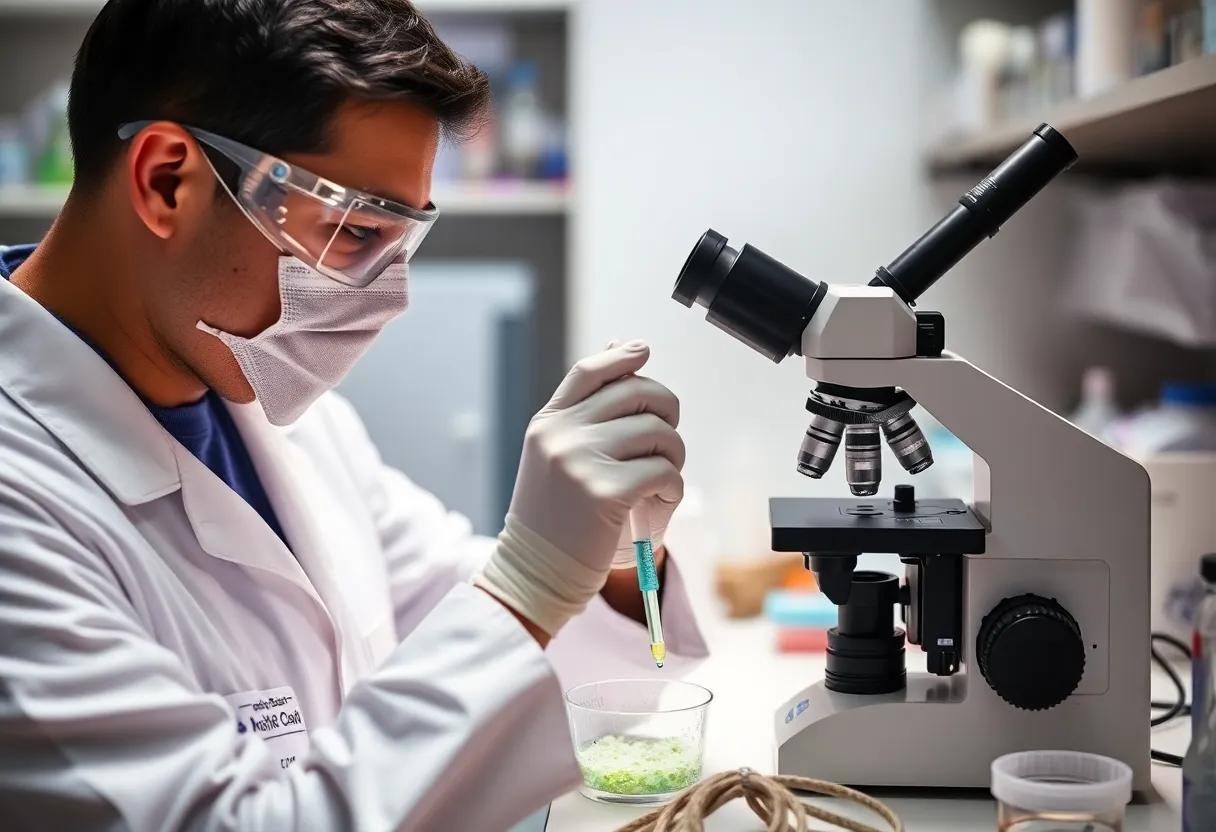
Many valuable compounds—medicines, fuels, materials—are produced through metabolic pathways: chains of chemical reactions catalyzed by enzymes inside cells. Natural organisms perform metabolism for their own purposes, but their metabolic machinery can be redirected toward producing compounds useful to humans.
The production of artemisinin—a key antimalarial drug—illustrates this. The natural source, the plant Artemisia annua, produces it in small quantities, and extraction was expensive. Researchers at UC Berkeley engineered yeast to produce a precursor through an artificial metabolic pathway assembled from yeast genes, bacterial genes, and plant genes, then used a final chemical conversion step to produce artemisinin. This substantially reduced production cost and improved supply reliability. The process reached commercial scale.
Similar approaches have been used to produce insulin (originally from pig pancreases, now from engineered E. coli and yeast), growth hormone, industrial enzymes, and a growing list of high-value chemicals. The economics of microbial fermentation—using cheap sugar as feedstock and well-understood industrial equipment—make metabolic engineering attractive for any compound where the synthesis is feasible and the market is sufficient.
Whole-Genome Design and Minimal Cells
At the most ambitious scale, synthetic biologists have attempted to design and synthesize entire genomes. The J. Craig Venter Institute synthesized the entire genome of a simple bacterium (Mycoplasma mycoides) from scratch and used it to boot up a living cell in 2010—the first living organism with a fully synthetic genome. Later work in 2016 created JCVI-syn3.0, a cell with the smallest known genome capable of supporting cellular life—a tool for understanding which genes are actually essential.
Yeast chromosomes have also been redesigned and synthesized by the Sc2.0 consortium, a multi-institution project working toward a fully synthetic yeast genome. The redesigned chromosomes include intentional differences—removed repeat sequences, added recombination sites—that create a more tractable research tool.
These whole-genome projects are currently research tools rather than commercial applications, but they’re establishing what’s possible and building the knowledge base for future applications.
Applications Already in the World
Beyond the research stage, synthetic biology has produced concrete applications across multiple sectors.
Medicine and Therapeutics
CAR-T cell therapy is one of the most significant medical applications of synthetic biology. T cells are extracted from a patient, genetically modified to express a chimeric antigen receptor (CAR) designed to recognize cancer cells, expanded in culture, and reinfused. The engineered cells hunt and kill the specific cancer. FDA-approved CAR-T therapies have produced remissions in some patients with blood cancers who had exhausted other options.
mRNA vaccines—the technology behind COVID-19 vaccines from Moderna and Pfizer/BioNTech—are a synthetic biology application in a different sense. The mRNA sequence encoding the spike protein is designed computationally, synthesized chemically, and packaged for delivery. The platform is highly programmable—changing the vaccine target requires primarily changing the mRNA sequence, not rebuilding a manufacturing process from scratch. This speed advantage was demonstrated when vaccines were designed in days after the SARS-CoV-2 sequence was published.
Gene therapies using CRISPR have entered clinical trials for sickle cell disease, beta thalassemia, Duchenne muscular dystrophy, and other genetic conditions. The first CRISPR-based gene editing treatment, Casgevy, was approved by the FDA in late 2023 for sickle cell disease—a milestone marking the transition from research tool to approved medical intervention.
Industrial Biotechnology
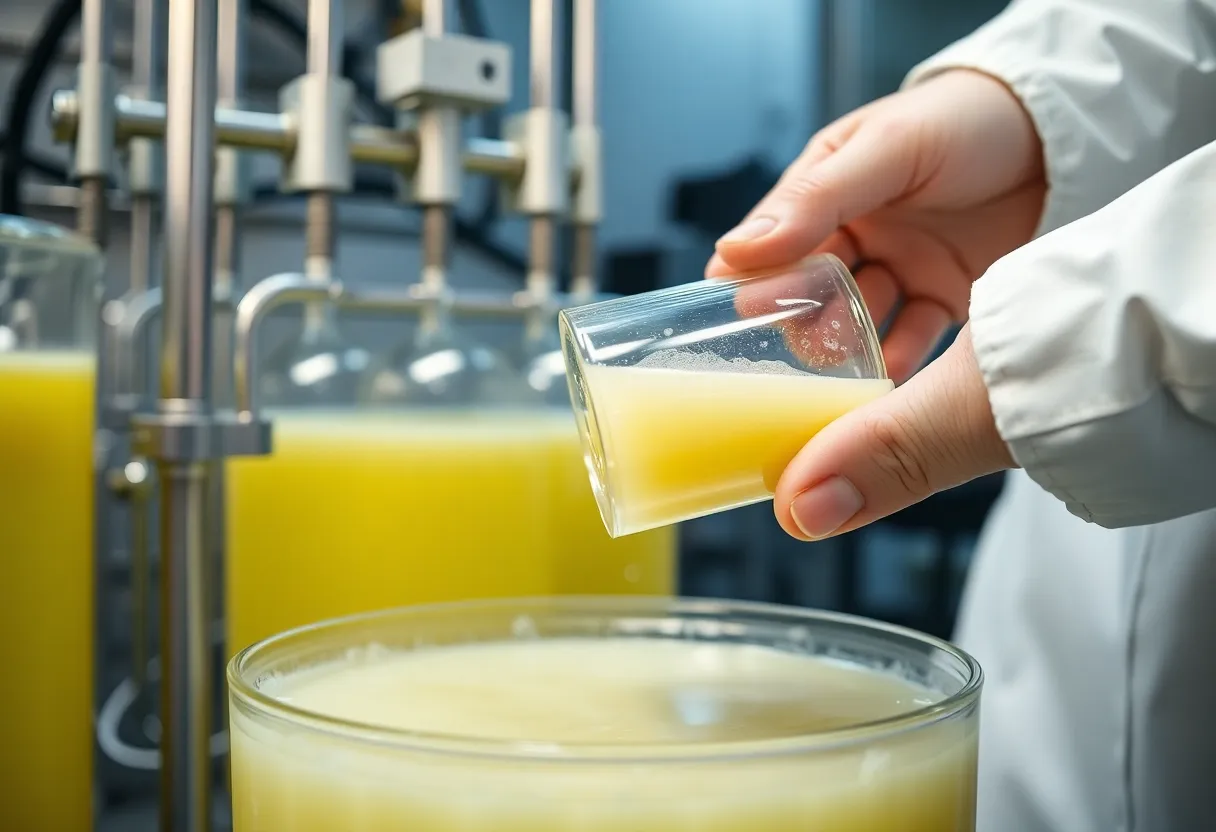
Engineered microorganisms now produce an expanding range of industrial inputs. Engineered yeast produce vanillin (a flavoring compound, reducing dependence on vanilla bean extraction), cannabinoids (for pharmaceutical applications, without agricultural cultivation), and spider silk proteins (which have remarkable mechanical properties).
Enzymes engineered by directed evolution and rational design are used in detergents, food processing, paper production, and biofuel processing. The 2018 Nobel Prize in Chemistry went to Frances Arnold for her work developing directed evolution—a technique for engineering proteins by iterating random mutation with selection for desired function, mimicking natural selection in the lab at accelerated timescales.
Agriculture
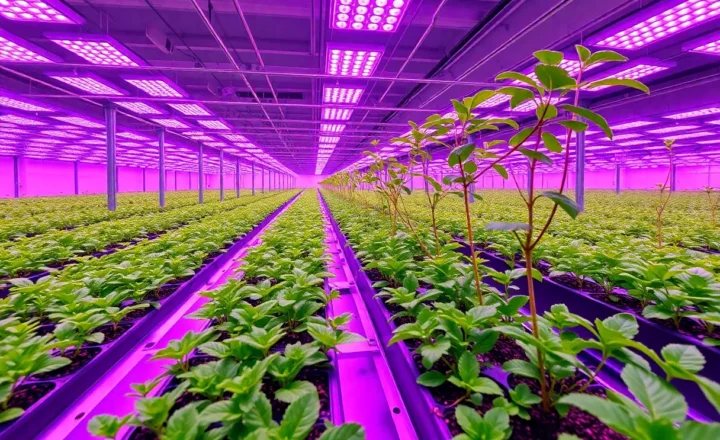
Synthetic biology is being applied to develop nitrogen-fixing crops—plants that can draw nitrogen from the air directly, reducing dependence on synthetic fertilizers. Natural nitrogen fixation requires a specific enzyme complex (nitrogenase) that is energetically expensive and sensitive to oxygen; engineering it into crop plants or their root microbiomes is a significant challenge that several startups are pursuing.
Disease-resistant crops developed through CRISPR editing have been approved in multiple countries. Unlike transgenic crops that introduce genes from other species, CRISPR-edited crops can make changes that could have occurred through natural mutation, placing them in a regulatory gray zone in some jurisdictions—edits that don’t introduce foreign DNA may be treated differently than traditional GMOs.
The Challenges and the Risks
Synthetic biology’s potential is accompanied by serious technical challenges and genuine biosafety concerns.
On the technical side, biology remains enormously complex and poorly understood. Designed genetic circuits behave differently in different cell types, at different growth rates, under different environmental conditions. The gap between a circuit that works in a test tube and one that works reliably in a living organism at scale is large. Many synthetic biology projects fail not because the underlying idea is wrong but because the biological complexity defeats the design.
On the biosafety side, the ability to synthesize DNA sequences raises concerns about the potential for engineering dangerous pathogens. Gene synthesis companies now screen orders against databases of sequences associated with select agents and dangerous pathogens—an imperfect but developing governance mechanism. CRISPR’s accessibility (relatively cheap, requires basic lab equipment) has lowered the barrier to experimentation, raising questions about hobbyist biology and the security of a technology that is no longer confined to well-regulated research institutions.
Ecological risk—the consequences of releasing engineered organisms into natural environments—requires careful assessment. Some applications are explicitly designed for environmental release (gene drives to suppress mosquito populations carrying malaria, for example), while others must be strictly contained. The field has developed standards for containment and for building genetic “kill switches” or dependency mechanisms into engineered organisms to limit their spread.
The Trajectory
Synthetic biology is a field whose pace is set by the underlying enabling technologies: sequencing, synthesis, and editing. All three continue to improve in speed, cost, and precision. The cost to synthesize a gene has dropped by orders of magnitude over two decades, and long-read sequencing and improved base editors continue to extend what’s possible.
The analogy to software engineering—that biology will become programmable the way computers became programmable—is compelling but incomplete. Living systems are orders of magnitude more complex than computers, operate in three dimensions in noisy biochemical environments, and have billions of years of evolutionary optimization that designers can’t simply replicate. Biology is closer to programmable than it was twenty years ago, but “programmable” still means something quite different in cells than it does in silicon.
What’s clear is that the tools now exist to intentionally design biological systems at a level of precision that was impossible a generation ago. The applications already in the world—CAR-T therapies, mRNA vaccines, artemisinin from yeast, approved gene edits for genetic disease—are real. The applications in development are ambitious. And the fundamental questions about how far this technology can go remain genuinely open.