How Urban Heat Islands Form and What Cities Are Doing About Them

Nadia Petersen
July 7, 2026
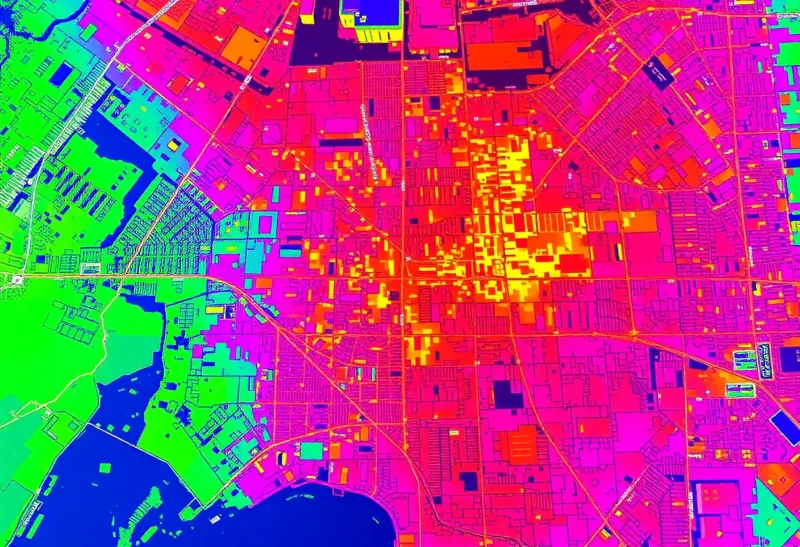
Urban heat islands — the phenomenon of cities being measurably warmer than the surrounding rural landscape — have been documented since the 1800s, when Luke Howard noticed that central London was consistently warmer than the countryside outside it. The effect has grown alongside city density and urban expansion, and as background climate warming increases the intensity of heat events globally, the urban heat island effect adds a local amplifier on top of regional warming. In a heat wave that brings a rural area to 38°C, the urban core of the same city may reach 42–44°C — a difference that is directly life-threatening for vulnerable populations and has motivated a growing body of urban design and policy responses.
The Mechanisms That Produce Urban Heat Islands
The urban heat island effect is produced by several interconnected factors, not a single cause, which is why addressing it requires a portfolio of interventions rather than a single solution.
Dark impervious surfaces — asphalt roads, dark roofing materials, concrete sidewalks — absorb solar radiation and convert it to heat rather than reflecting it. The albedo (reflectivity) of asphalt is approximately 0.04–0.10 (absorbs 90–96% of incoming radiation); the albedo of vegetation is 0.20–0.25; the albedo of light-colored materials like white roofing membranes or light concrete can reach 0.60–0.80. Cities replace the varied, moderately-reflective natural landscape with high-absorptivity dark surfaces, dramatically increasing the amount of solar radiation converted to heat within the urban footprint.
Reduced evapotranspiration is the second major mechanism. Natural landscapes — forests, grasslands, soil — evaporate water through transpiration from vegetation and evaporation from moist soils. Evapotranspiration absorbs large amounts of heat (the latent heat of vaporization is substantial — evaporating water absorbs energy equivalent to cooling), cooling the surrounding air. Urban surfaces, which are predominantly impervious (rainwater runs off rather than infiltrating), have very low evapotranspiration rates. The same solar energy input that would be absorbed by a forest produces far more air temperature increase over an asphalt parking lot because there’s no evaporative cooling mechanism.
Anthropogenic heat — waste heat generated by vehicles, air conditioning, industry, and human metabolism — adds heat directly to the urban environment. In dense urban cores, anthropogenic heat flux can be as significant as solar radiation input. Air conditioning is particularly relevant as a heat island contributor: the cooling of interior spaces moves heat outdoors, warming the urban environment, which increases the demand for air conditioning, which adds more heat outdoors. This positive feedback loop means that dense urban areas with heavy air conditioning use are both more heat-stressed and producing more anthropogenic heat than the same population without air conditioning.
Urban geometry — the arrangement of tall buildings in close proximity creating “urban canyons” — traps longwave radiation. Surfaces radiating heat overnight in the infrared spectrum have a direct path to the sky (where heat dissipates to space) in open environments; in urban canyons, infrared radiation is absorbed by the opposing building surfaces and re-radiated, reducing overnight cooling. This is why urban areas stay warmer at night than rural areas even when daytime temperatures are less different — the sky view factor is reduced, impeding nocturnal radiative cooling.

What Cities Are Actually Doing
Urban heat island mitigation has moved from academic analysis to active municipal policy in cities globally, driven by heat-related mortality data, climate projections, and increasingly, legal frameworks for climate adaptation planning.
Cool and green roofs are among the most studied and deployed interventions. Cool roofs — using high-albedo materials to reflect rather than absorb solar radiation — reduce roof surface temperatures by 20–50°C compared to conventional dark roofing, reducing cooling loads in the building below and reducing heat emission to the urban atmosphere above. Los Angeles has implemented cool roof requirements for new construction and major renovation. New York City has programs subsidizing cool roof installation and has installed reflective coatings on millions of square feet of roofing. Green roofs — vegetated roof surfaces — provide both high reflectivity and evapotranspiration cooling and are increasingly required or incentivized in cities including Paris, Toronto, and Hamburg.
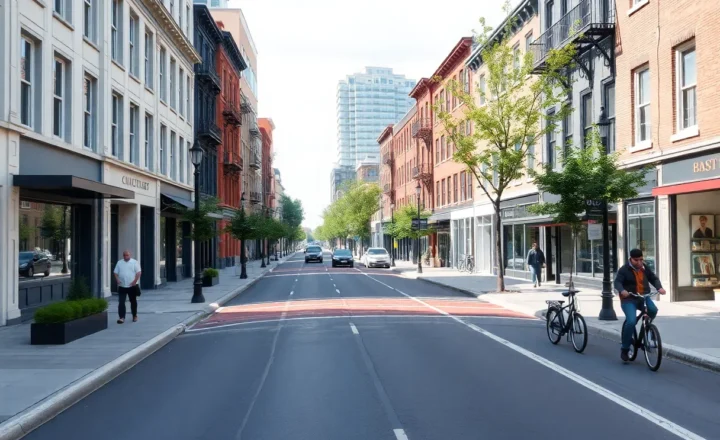
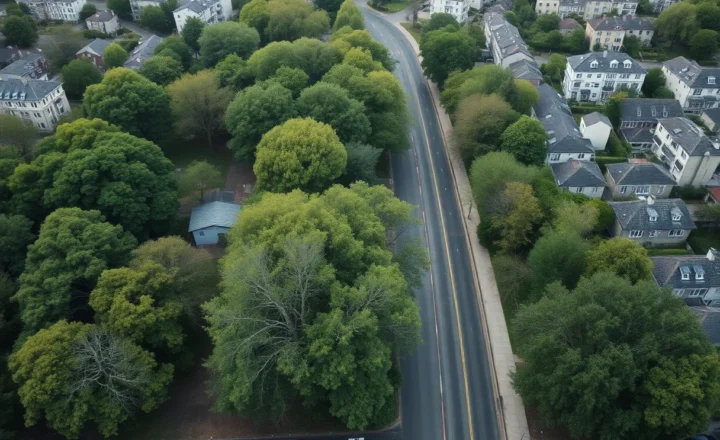
Urban tree planting programs are standard in most major cities’ heat mitigation strategies. Trees provide direct shade (reducing solar radiation reaching surfaces below), significant evapotranspiration cooling, and longwave radiation interception. Urban trees in properly planned configurations can reduce street-level temperatures by 2–8°C compared to unshaded streets. The challenge is that tree planting is a long-term investment (trees take years to decades to provide full canopy benefit) and requires ongoing maintenance; heat events occur now, while trees planted today mature slowly. Heat inequity — the finding that lower-income and minority neighborhoods have consistently less tree canopy than wealthier neighborhoods — has driven equity-focused urban tree planting programs in US cities including Philadelphia, Baltimore, and New York.
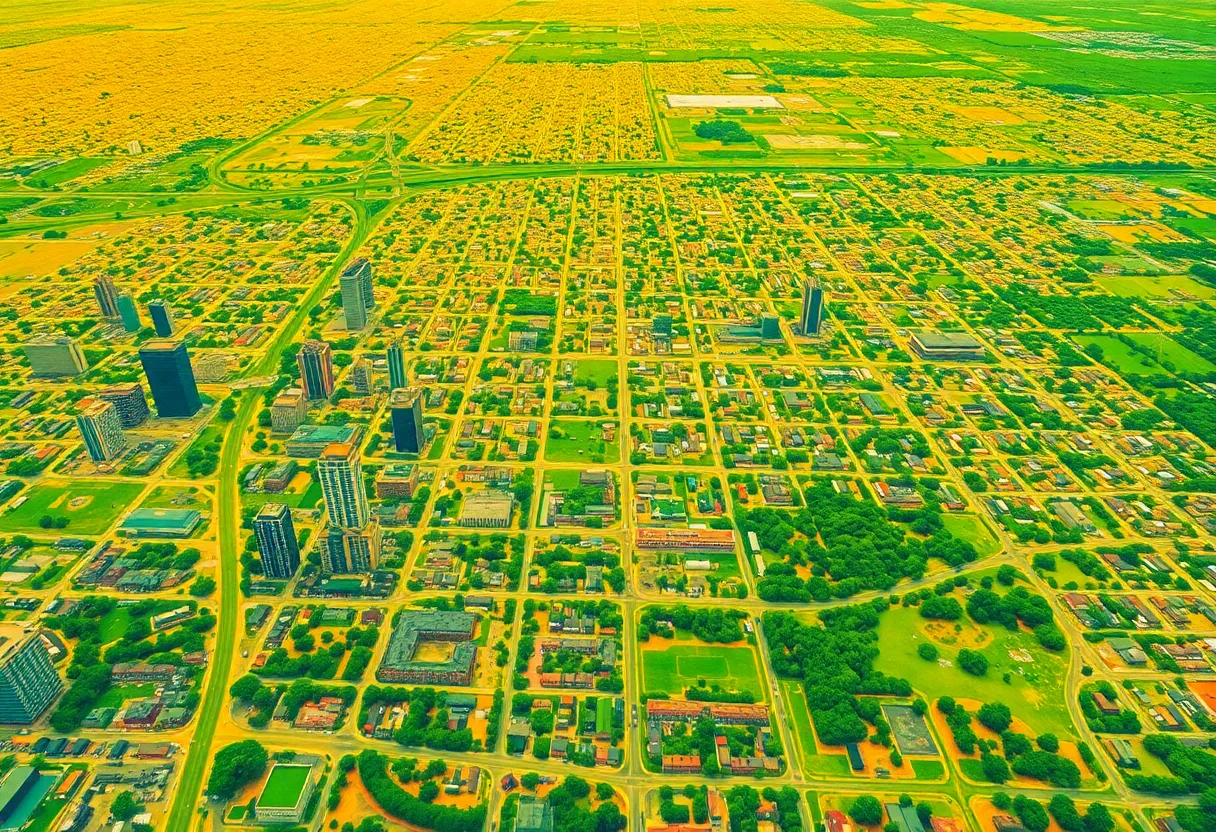
Permeable pavement and urban water features reduce heat through their moisture-holding and evaporative cooling properties. Permeable pavement (concrete or asphalt with voids that allow water infiltration) retains moisture that provides evaporative cooling during hot periods rather than routing all water to the storm drain system. The Netherlands and Germany have deployed significant permeable pavement programs in urban areas as combined flood management and heat mitigation infrastructure.
Blue-green infrastructure — integrating water bodies (channels, ponds, bioswales) with vegetation — is the emerging framework for integrated heat and stormwater management in urban design. Singapore’s extensive network of parks, canals, and integrated water-vegetation systems has reduced urban heat island effects relative to their density. Paris’s Plan Biodiversité and Vienna’s Smart City strategy both integrate blue-green networks explicitly for urban heat resilience.
The Limits of Current Interventions
No single intervention eliminates the urban heat island effect. Cool roofs address surface temperature but don’t add evapotranspiration; tree planting adds evapotranspiration but takes decades to mature; permeable pavement helps during post-rain cooling windows but not during extended dry heat events when surface moisture is exhausted. Anthropogenic heat from air conditioning creates a structural challenge — addressing indoor heat stress by adding air conditioning increases outdoor heat stress, and the highest-risk populations (elderly, low-income, poor housing stock) are often those least able to access air conditioning. Heat island mitigation at scale requires changes to urban form — permeable surfaces, tree canopy, reduced building density or modified building geometry — that operate at timescales measured in decades rather than the urgency of current heat events, which creates a gap between the pace of intervention and the pace of need.