How many mains-powered Zigbee routers do you need before bulbs stop being the mesh?

Helena Voss
October 7, 2026
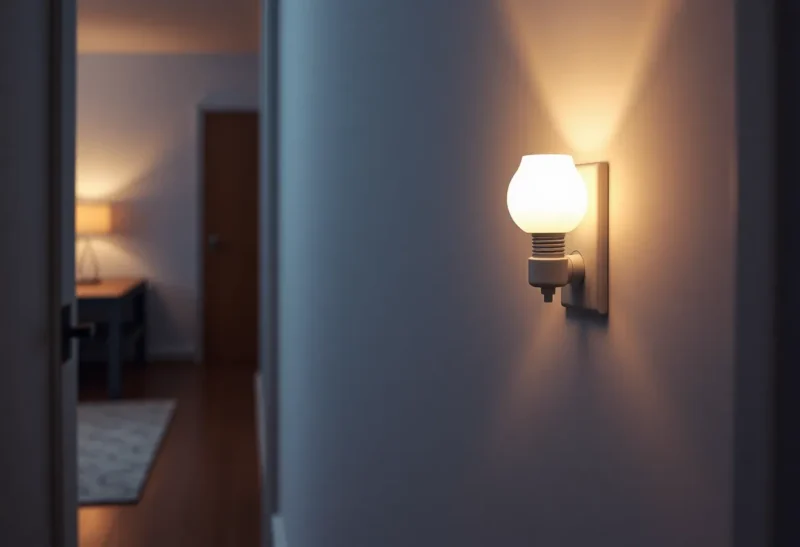
One always-on router in each room that has a battery sensor, not a magic total for the whole flat. In a typical two-bedroom apartment that is three or four plugs: hallway, living room, and each room where a door or motion sensor has to report after someone turns the lights off. Bulbs never fully stop routing. They stop being the only path once those plugs are the parents the sensors actually use, which you confirm by switching a bulb off and watching the sensor still report.
A drawer of unused plugs does not count, and neither does a fifth bulb. Routers have to be powered when the lights are not, and they have to be in the rooms where the mesh was cheating by using the lamp.
What you are counting
A Zigbee router is a mains device that stays awake and forwards other people’s traffic. A coordinator is a router with the network key and the USB stick. An end device is almost every battery sensor: it sleeps, it picks one parent, and it does not forward anyone else. Bulbs from IKEA, Hue, and most other Zigbee lamps are routers. That is the accident. The lamp is infrastructure, and the wall switch is a person who will turn infrastructure off at 11 p.m.
Child tables are why “just add bulbs” feels fine until it does not. Each router only keeps a limited list of children. The exact slot count depends on the chip, often something you should treat as “a handful, not the whole flat.” A coordinator in a closet can accept many direct children and still be a bad parent, because the link through three walls is weak. Sensors stick to it anyway. Adding routers creates better parents. It does not raise a single global number labeled “mesh health.”
So the count is a placement count. Stand where the sensor is. If the nearest device that is guaranteed to have power all night is the coordinator, or a bulb on a switch, you are short one router in that room. Do that walk for every battery device. The number of rooms you fail is the number of plugs you buy. A studio with the coordinator in the same room as the only door sensor can be zero extra routers. A house with a stick in the office and sensors in the garage is not a studio, and it will not be saved by owning eight bulbs in the office.
A two-bedroom that stopped depending on lamps
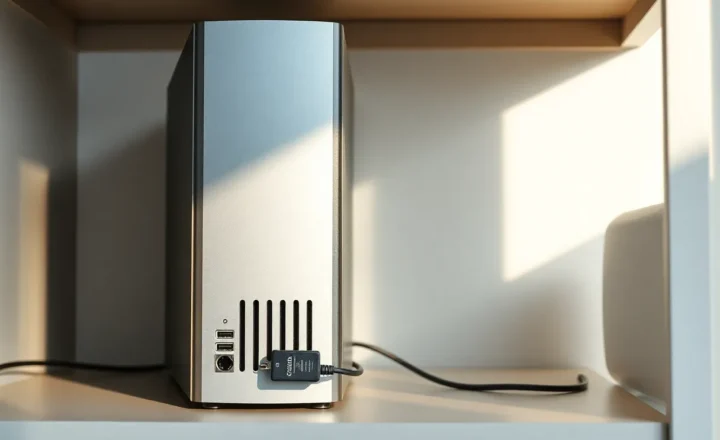
The apartment I trust looks like this. Coordinator on a USB extension, away from the computer, in the living room rather than inside a closed metal cabinet. One plug in the hallway, because the hallway is the corridor every other room talks through. One plug in each bedroom that has a door sensor or a motion sensor. The kitchen bulb can stay a bulb. The bedroom reading lamp can stay a bulb. Those lamps may still route for a neighbor if they happen to be on. Nothing in the house requires them to be on.
That is four mains routers including the coordinator, three of them plugs, for a flat with about a dozen end devices. I would not buy a plug per sensor. I would also not buy one plug “for the mesh” and leave it behind the television in the room that already hears the coordinator. The hallway plug does more work than two plugs in the living room. Hop count and walls matter more than the shopping total. One wall is a reasonable hop. Three walls, a bathroom, and a mirror are how a sensor keeps its sad relationship with the stick.
Pair the plugs before the sensors, or re-pair the sensors after the plugs exist. An end device chooses a parent when it joins and then gets stubborn. If you add the beautiful hallway plug six months later, half the sensors will keep parenting to the coordinator or to the bulb until something forces them to look again. Parent aging is supposed to do that look-again. In practice I rejoin the sensor that still shows the wrong parent on the map after a day. The plug does not kidnap children by existing.
Bulbs keep routing, and that is fine
You generally cannot tell a Zigbee bulb to stop being a router. The firmware is the firmware. “Bulbs stop being the mesh” does not mean they disappear from the map. It means a route that used the bulb is no longer the only route, and the battery devices you care about are not children of that bulb. If the map still draws a line from a door sensor to a pendant, the pendant is still the mesh, no matter how many plugs you own in other rooms.
The test is physical. Turn that pendant off at the wall switch, not in software. Software off often leaves the radio up, which is why “I turned the light off in Home Assistant and the mesh was fine” proves nothing. The switch removes power. Wait longer than the sensor’s usual report interval. Open the door. If the sensor updates, the bulb was not load-bearing for that sensor. If a wing of the flat goes quiet, the plug you thought was the parent is not the parent, or the plug is itself switched with the lights. I have found “always-on” plugs on a power strip that a person kills with a foot switch. That plug is a bulb with a worse name.
Hue bulbs on a Hue bridge are a second network. They do not router for a Zigbee2MQTT stick unless you paired them to that stick and accepted the fight with Hue’s own mesh. Leaving them on the bridge means they do not count toward this total, and they do not save you. IKEA bulbs paired to your coordinator do count, and they are the ones the switch will kill. Treat them as pretty, optional routers. Do not put them in the “three or four” number above.
Plugs that do not count
A router in a power strip behind a sofa, unplugged for cable management, does not count. A USB “repeater” that is a rebranded end device does not count. Some cheap mains devices ship as routers and then sleep, or they route so badly that sensors hop through them and vanish. If Zigbee2MQTT’s map shows a device as a router and its link quality to the next room is miserable, it is not the room’s router. Move it, or replace it. Do not buy a twin and put the twin in the same outlet.
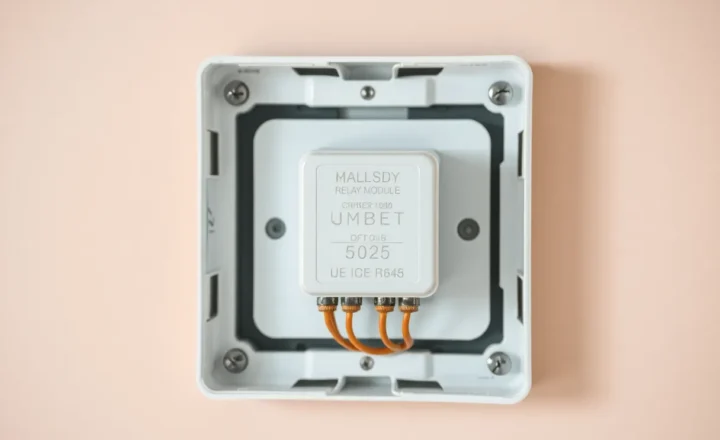
In-wall relays that are actually Zigbee, powered with the lighting circuit but not switched by it, are the best version of this count. They live where the wires live, and nobody unplugs them to free a socket for a vacuum. A plug is the renter’s version. Both only count if the breaker for that circuit stays on, which is a low bar right up until someone labels the breaker “lamps” and flips it at bedtime.
Distance from the coordinator still beats a large number. Three plugs next to the stick and none in the back bedroom is one router, cosmetically inflated. The back bedroom needs the plug within a room of the sensor, ideally with line of sight out the door to the hallway router. That is two hops, both short. Ten plugs along the same wall as the coordinator do not create the second hop.
Who can stop buying
Stop when you can cut power to every bulb from its wall switch and every battery sensor you use in an automation still reports. That is the definition of “bulbs are no longer the mesh,” and it is a test, not a receipt. Stop earlier if you have no battery devices at all. A house of mains bulbs does not need a rescue mesh so the bulbs can route to each other, unless you switch some of them off and still expect the far ones to receive commands. In that case the always-on plug is for the bulbs that remain, and the same room rule applies.
Keep buying if the map shows end devices parented to lamps, or to the coordinator across the flat, after the plugs have been up for a day and you have rejoined the stragglers. Another identical plug in a room that already has a healthy parent will not move those stragglers. A plug in the room they are actually in will. Count rooms that fail the switch test. Buy that many. Then stop.
If you want a single integer for a shopping list before you have walked the rooms, use one mains router per room that contains a battery device, plus the coordinator, and expect a two-bedroom to land around three plugs. Treat that as a starting basket, not a certificate. The switch test is allowed to send one of those plugs back, and it is allowed to demand a fourth when the bathroom sensor still parents to the ceiling light. The mesh does not grade you on how many routers you own. It grades you on which device a sensor can still hear after the room goes dark.