How Grocery Store Produce Ripening Rooms Actually Control the Process

Anita Osei
July 9, 2026
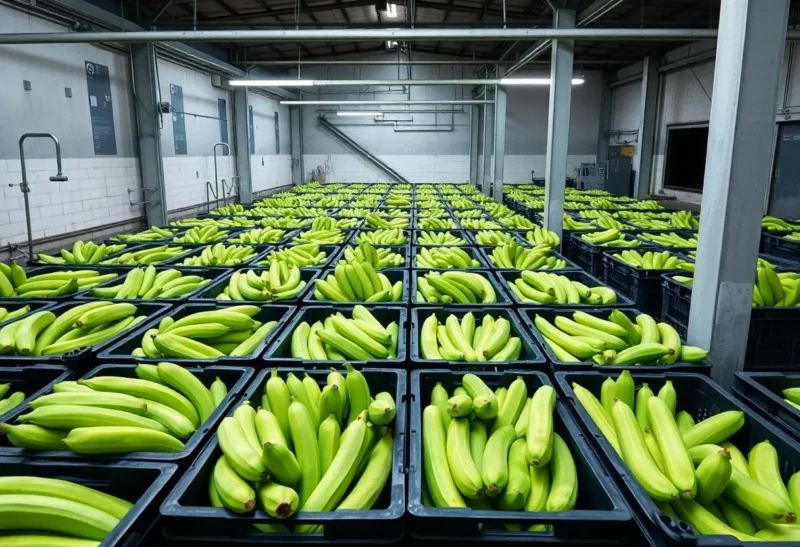
Bananas, avocados, tomatoes, and several other fruits sold at grocery stores are deliberately harvested and shipped while still green and underripe, then ripened to consumer-ready condition in specialized ripening rooms rather than being allowed to ripen naturally on the plant or during transit. This practice, which surprises many shoppers who assume produce simply ripens on its own timeline, exists because harvesting produce green and controlling ripening separately from harvest and transport gives distributors and retailers substantially more control over timing, consistency, and product quality than relying on natural ripening alone could provide.
Why Harvesting Green Solves a Genuine Logistics Problem
Many fruits, bananas being the most commonly cited example, would become too soft and easily damaged to survive commercial shipping and handling if allowed to ripen fully before harvest, since fully ripe fruit is generally far more physically fragile and susceptible to bruising, crushing, and spoilage during the shipping and handling process than firmer, underripe fruit. Harvesting these fruits green, while they’re still firm enough to withstand the physical stresses of commercial shipping and handling, is a practical necessity for supplying fresh produce across the long supply chains connecting growing regions to distant retail markets.
This green-harvest approach creates the specific need for controlled ripening rooms as a separate step later in the supply chain, since fruit that’s shipped green needs a deliberate ripening process before it reaches store shelves in consumer-ready condition, rather than simply arriving already ripe from the growing region.
How Ethylene Gas Actually Drives the Ripening Process
The ripening process for many fruits is primarily triggered and accelerated by ethylene, a naturally occurring plant hormone that fruits themselves produce as part of their own natural ripening process, and that ripening facilities can also introduce artificially into a controlled ripening room environment to trigger and accelerate ripening on a specific, controllable timeline rather than waiting for the fruit’s own naturally slower ethylene production to drive the process unassisted.
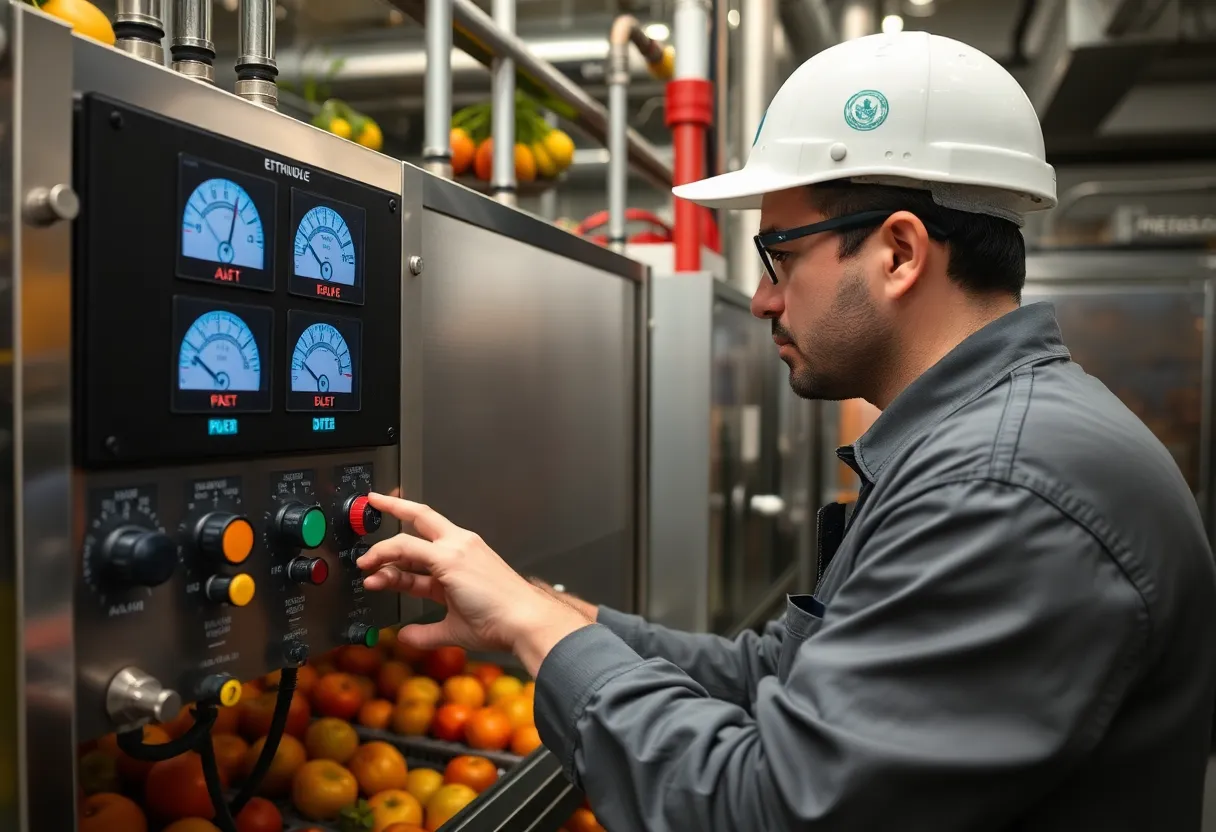
Commercial ripening rooms carefully control ethylene concentration, along with temperature and humidity, to a precise target range specific to the particular fruit variety being ripened, since different fruits, and even different specific varieties within the same fruit type, ripen optimally under somewhat different combinations of these environmental variables, and getting this combination wrong can produce inconsistent ripening results, uneven color and texture development, or fruit that ripens either too quickly (reducing its post-ripening shelf life before it needs to be sold) or too slowly relative to the retailer’s actual sales timeline needs.
Why Precise Environmental Control Matters So Much for Consistency
Beyond simply triggering ripening to occur, precise control over a ripening room’s temperature, humidity, and ethylene concentration is what allows commercial ripening operations to achieve genuinely consistent ripening results across large batches of fruit, ensuring that fruit reaching store shelves has reasonably uniform color, firmness, and flavor development rather than the more inconsistent, batch-to-batch and piece-to-piece variation that would result from less controlled ripening conditions.
This consistency matters enormously for retail sale specifically because consumers generally expect a predictable, consistent ripeness and quality experience when purchasing produce, and inconsistent ripening outcomes (some fruit within a batch ripening well while other fruit in the same batch ripens unevenly or develops quality defects) create real waste and customer satisfaction problems for retailers, giving ripening facility operators strong practical incentive to invest in the environmental control precision needed to minimize this batch-to-batch and piece-to-piece variability.
How Ripening Timing Gets Coordinated With Actual Retail Demand
Ripening facilities don’t simply ripen all incoming produce as quickly as possible — they deliberately stage and time the ripening process to align with specific retail delivery schedules and anticipated sales timing, since fruit that’s fully ripened too far in advance of when it will actually reach store shelves and be purchased loses shelf life and quality by the time it’s actually available for sale, while fruit that isn’t ripened enough by the time it needs to ship to stores arrives in an underripe condition that doesn’t meet consumer expectations.

This coordination requires ripening facility operators to work closely with distribution and retail logistics planning to time each specific batch’s ripening process appropriately, sometimes ripening different batches of the same fruit on different schedules specifically to arrive at different retail locations or sales windows at the appropriate ripeness stage, a level of supply chain and process coordination that goes well beyond simply running a fixed ripening protocol uniformly across all incoming produce.
Why This System Represents a Genuine Tradeoff Rather Than a Pure Improvement
While controlled ripening provides real logistics and consistency benefits that make long-distance fresh produce supply chains practically viable, it also represents a genuine tradeoff compared to fruit that ripens naturally on the plant, since some flavor compound development in many fruits continues to some degree throughout the full natural ripening process in ways that artificially accelerated, harvest-green-then-ripen-separately approaches don’t always fully replicate to the same degree, a distinction that contributes to why locally grown, vine-or-tree-ripened produce is often perceived, and in some documented cases actually measured, as having somewhat different flavor characteristics compared to produce ripened through commercial controlled-ripening processes after being harvested green for shipping. This tradeoff between logistics practicality and flavor development represents a genuine, ongoing tension in commercial produce supply chains rather than a problem controlled ripening technology has fully solved.