How Wine Cork Taint Testing Actually Works Before Bottles Ship

Futurion Editorial
July 9, 2026
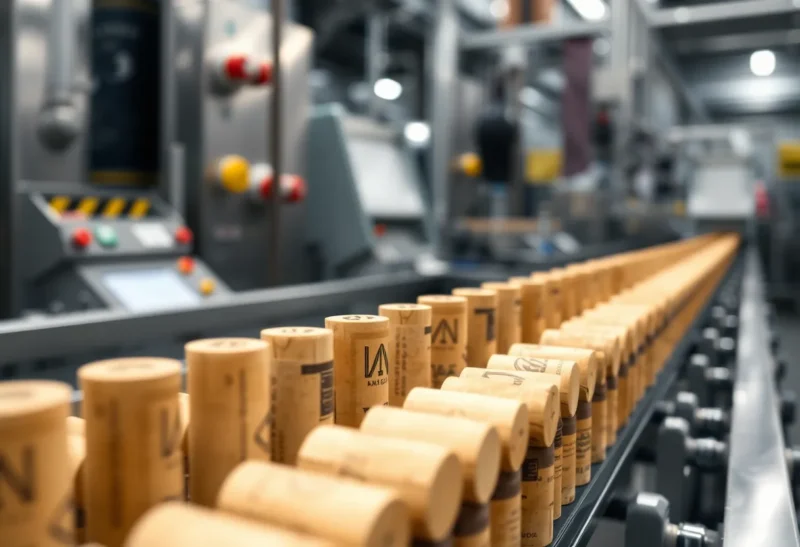
Cork taint — the musty, wet-cardboard off-flavor that can ruin an otherwise good wine — has historically been estimated to affect a meaningful percentage of cork-sealed wine bottles, a defect rate serious enough that it drove much of the wine industry’s shift toward alternative closures like screw caps and synthetic corks over the past few decades. What’s less visible to consumers is the substantial testing infrastructure cork producers and wine bottlers have developed specifically to catch tainted corks before they ever reach a bottle, and the chemistry behind why this contamination is so persistently difficult to fully eliminate despite decades of dedicated industry effort.
What Actually Causes Cork Taint Chemically
The primary chemical compound responsible for the classic cork taint smell is 2,4,6-trichloroanisole, universally known in the wine industry by its abbreviation TCA, a compound formed when certain fungi and bacteria naturally present in cork oak bark or cork processing environments metabolize chlorophenol compounds (themselves sometimes originating from chlorine-based bleaching or sanitizing treatments historically used in some cork processing, or from environmental chlorophenol contamination) into TCA as a byproduct.
What makes TCA such a persistent problem is its extraordinarily low human detection threshold — most people can detect TCA’s musty off-flavor at concentrations measured in mere parts per trillion, an almost unimaginably small contamination level that makes TCA formation from even minor, localized fungal or bacterial activity within a single cork’s natural pore structure enough to taint an entire bottle’s wine, even when the vast majority of that same cork batch, processed under identical conditions, shows no detectable contamination at all.
Why This Extreme Sensitivity Makes Testing Genuinely Difficult
Because TCA contamination can originate from localized fungal activity within a cork’s natural pore structure rather than being evenly distributed throughout an entire production batch, testing a representative sample of corks from a batch doesn’t guarantee that every individual cork within that batch is free of contamination — a batch could show clean results on sampled test corks while still containing a small number of individually contaminated corks scattered through the larger batch, since cork’s natural, irregular pore structure means contamination can develop in genuinely isolated pockets rather than uniformly.
This is a large part of why cork industry testing has moved toward increasingly comprehensive, rather than purely statistical batch-sampling, testing approaches over the past two decades, since a testing strategy that only samples a small representative fraction of a large cork batch can systematically miss individually contaminated corks that a more comprehensive testing approach would catch.
How Modern Cork Producers Actually Test for TCA
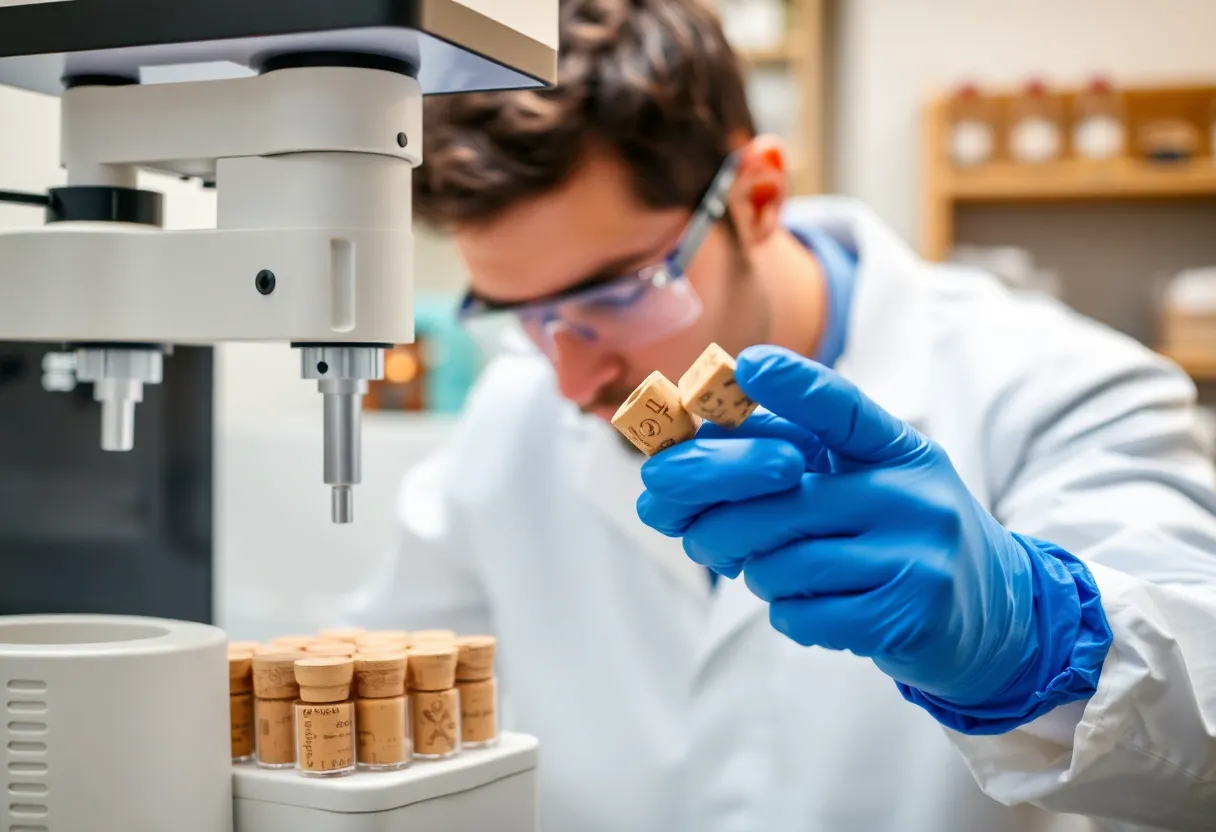
Major cork producers now use gas chromatography-mass spectrometry (GC-MS) as the primary analytical method for detecting and precisely quantifying TCA concentration in cork samples, a laboratory technique sensitive enough to detect TCA at the extremely low parts-per-trillion concentrations relevant to human taste and smell detection thresholds, run on samples processed from cork batches at various stages of production.
Beyond laboratory sample testing, some larger cork producers have invested in individual cork-level, non-destructive screening technology — automated systems using techniques like sensory-based electronic detection or advanced individual cork sampling protocols specifically designed to screen much larger proportions of individual corks within a production run than traditional batch sampling would cover, directly addressing the localized-contamination detection gap that pure statistical batch sampling struggles with. This individual-cork-level screening investment reflects the cork industry’s direct competitive response to closure alternatives (screw caps and synthetic corks) that don’t carry TCA contamination risk at all, since cork producers have strong competitive incentive to close the detection gap as much as technically and economically feasible to defend cork’s market position against these taint-free alternatives.
Process Controls Upstream of Testing Also Matter Considerably
Beyond testing finished corks, cork producers have implemented substantial process changes specifically targeting TCA formation earlier in the production chain, including eliminating chlorine-based bleaching and sanitizing treatments that were historically identified as a contributing chlorophenol source, improving raw cork bark storage and processing hygiene conditions to reduce the fungal and bacterial activity that converts chlorophenols into TCA in the first place, and developing steam-based cork treatment processes specifically designed to help volatilize and remove existing TCA contamination from raw cork material before final processing into finished stoppers.
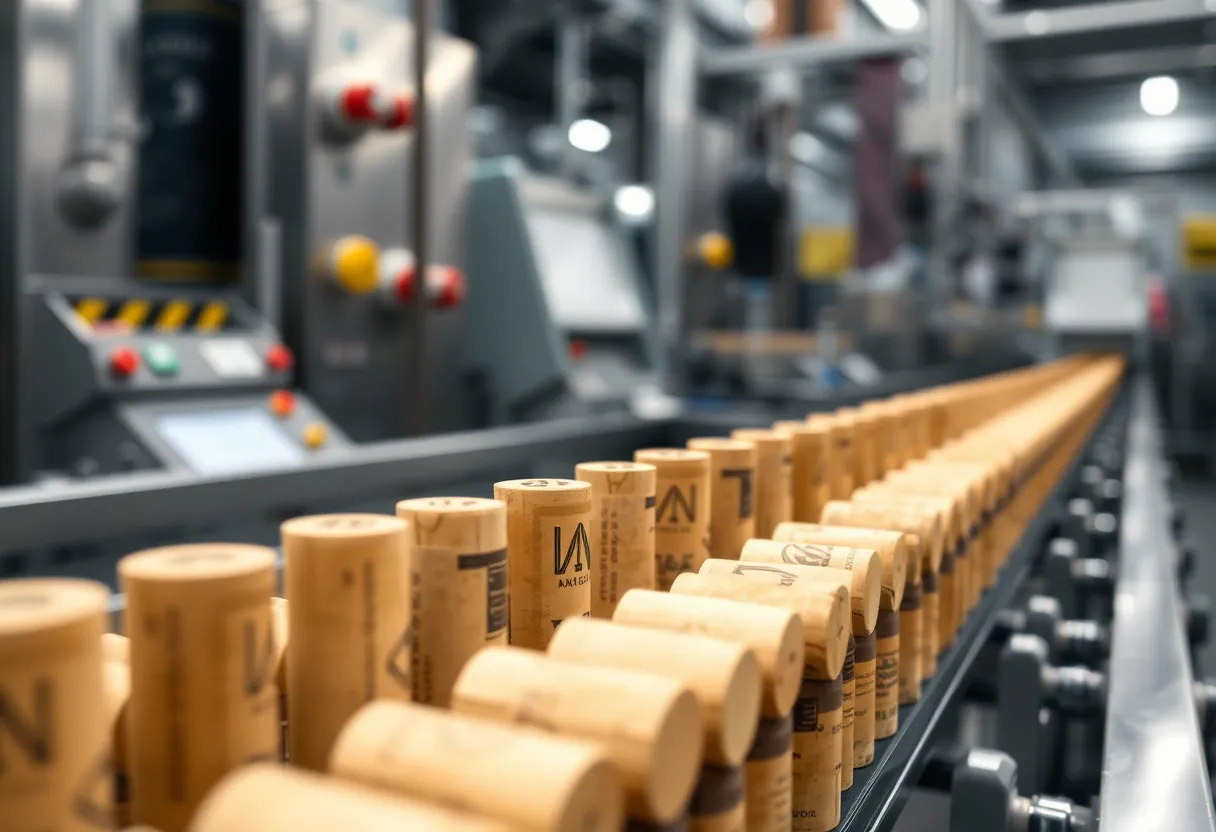
These upstream process improvements have measurably reduced average cork taint incidence rates compared to older cork processing methods, according to industry-reported testing data, complementing rather than replacing finished-product testing, since process improvement reduces the overall contamination rate entering the testing pipeline while testing remains necessary to catch whatever contamination still occurs despite improved upstream controls.
Why Some Wineries Still Choose Alternative Closures Despite This Progress
Despite genuine, measurable improvement in cork taint incidence rates industry-wide, many wineries — particularly for wines intended for relatively near-term consumption rather than long-term cellar aging, where cork’s specific gas permeability characteristics matter less for aging benefit — have continued shifting toward screw cap and synthetic closures specifically because these alternatives carry essentially zero TCA taint risk, providing a level of taint-risk certainty that even substantially improved cork testing and processing still can’t fully guarantee given TCA’s fundamentally localized, hard-to-fully-eliminate contamination mechanism.
This split reflects a genuine, ongoing tradeoff in the wine industry between cork’s traditional aesthetic and, for certain wine styles, genuine aging-related performance advantages, against alternative closures’ taint-risk elimination, with different wineries and wine categories landing on different sides of that tradeoff depending on how much weight they place on each factor for their specific wine style and market positioning — a tension the cork industry’s continued testing and process investment is directly aimed at narrowing, without having fully eliminated the underlying risk differential that motivates alternative closure adoption in the first place.