The Real Reason 3D-Printed Houses Haven’t Scaled Past Demo Projects

Futurion Editorial
July 9, 2026

3D-printed houses have generated headlines for the better part of a decade, with a steady stream of demonstration projects, pilot developments, and ambitious construction-tech startup announcements promising to build homes faster and cheaper than conventional construction ever could, by having a large robotic printer extrude layers of a specialized concrete mixture to form walls in a fraction of the time traditional framing and masonry require. Despite genuinely real technical progress and a number of completed, occupied 3D-printed homes now existing around the world, the technology remains overwhelmingly confined to pilot projects, demonstration builds, and small developments rather than anything resembling mainstream housing construction at real volume. The reasons why reveal a pattern common to construction technology generally: the flashiest, most visually novel part of the process is rarely the part actually limiting how fast an industry can adopt something new.
What 3D Printing Actually Speeds Up, and What It Doesn’t
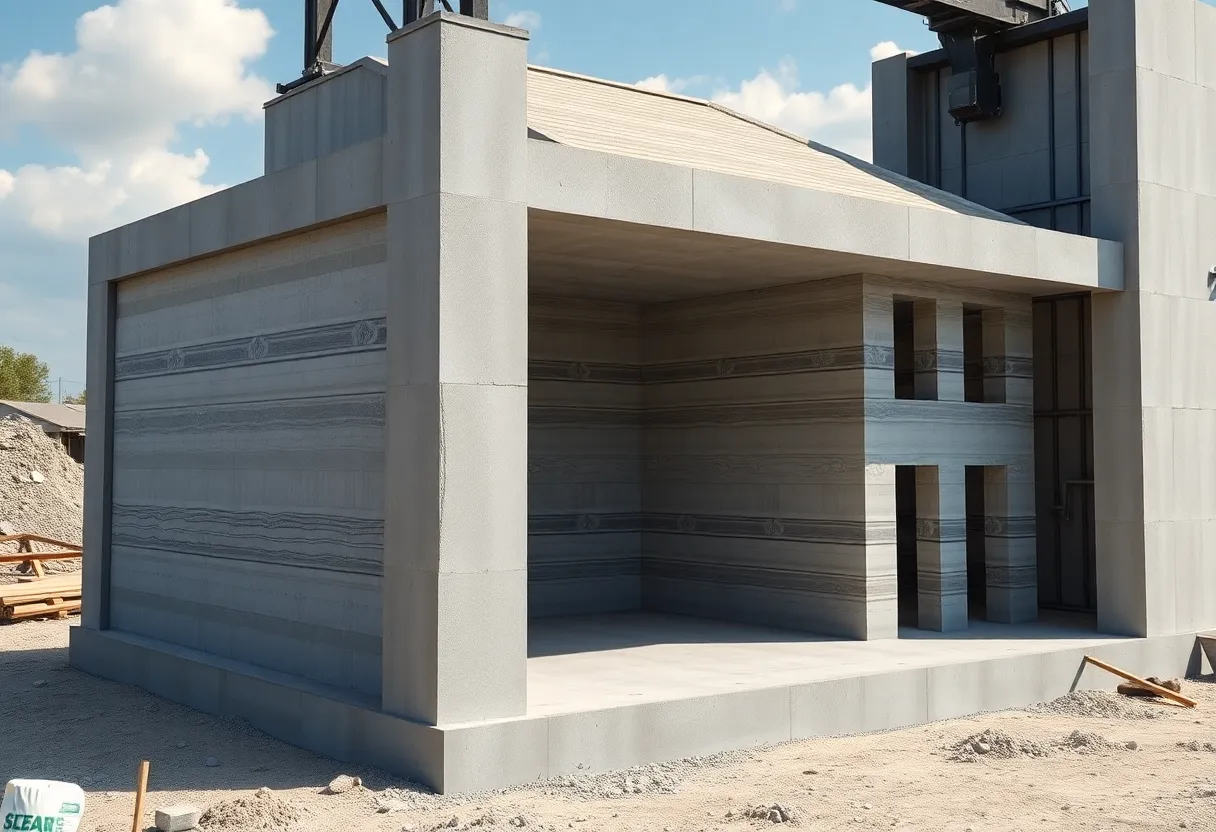
The core, genuine value proposition of construction 3D printing is real and well-demonstrated: printing a house’s wall structure using a large gantry or robotic-arm-mounted concrete extrusion printer can complete the basic wall-forming process for a single-story home in a matter of days, compared to the considerably longer timeline traditional framing, masonry, or poured-concrete-formwork construction methods typically require for the equivalent structural shell. This speed advantage has been repeatedly and convincingly demonstrated across numerous pilot projects globally, including well-documented projects in the US, Europe, and several developing-country housing initiatives specifically targeting rapid, low-cost housing production.
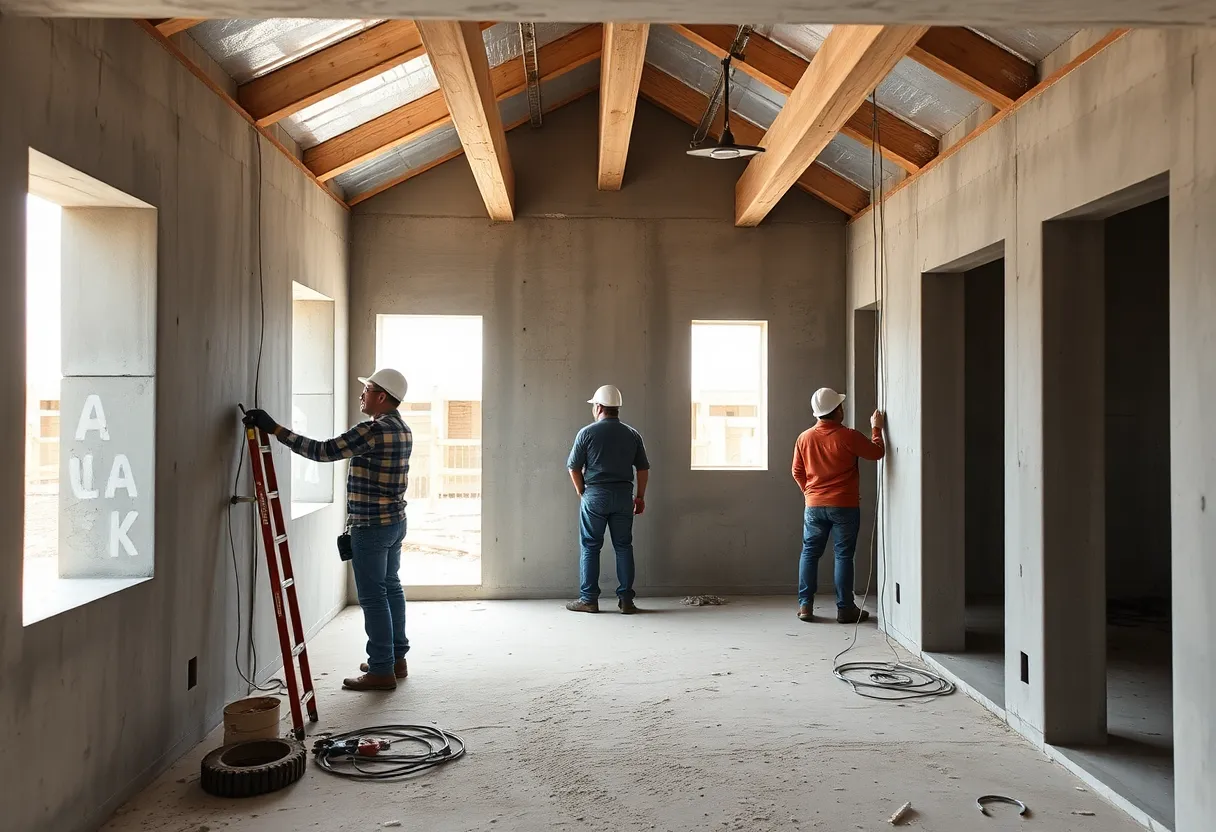
What this technology doesn’t speed up, and this is the crux of why scaling has proven so much harder than the wall-printing demonstrations suggest, is essentially everything else that goes into building a complete, livable, code-compliant house: plumbing rough-in and finishing, electrical wiring, HVAC installation, roofing, windows and doors, interior finishing, insulation, and the necessary inspections and permitting processes required at each of those stages. A 3D-printed wall shell still requires all of this same additional work, performed by the same skilled trades, using largely the same processes and timelines that any conventional home construction project requires for these systems — the printer only accelerates one specific portion of the overall construction timeline, and in most residential construction, that specific portion, the basic structural wall-forming, was never actually the single largest bottleneck in overall project timeline to begin with.
Why the Regulatory and Permitting Path Remains Genuinely Difficult
Building codes in most jurisdictions were developed and refined over decades around conventional construction methods and materials — wood framing, masonry, poured concrete with traditional formwork — with extensive accumulated engineering data, testing standards, and inspection procedures built specifically around those established methods. 3D-printed concrete construction, using specialized printable concrete mixtures with material properties that differ in genuinely meaningful ways from conventional poured concrete, doesn’t automatically fit cleanly into these existing code frameworks, and getting a specific 3D-printed construction method and material formulation formally approved and code-compliant in a given jurisdiction has generally required a slower, more case-by-case regulatory approval process than conventional construction methods, which already have decades of established code precedent behind them.
Several 3D-printed housing companies and pilot projects have worked directly with organizations like the International Code Council to help develop specific standards and testing protocols for 3D-printed concrete construction, recognizing that this regulatory groundwork, while genuinely necessary and important long-term industry-building work, is inherently a slow, incremental process that can’t simply be accelerated by better printer technology alone, since it fundamentally depends on the pace at which regulatory bodies, testing laboratories, and code officials across many different jurisdictions can develop confidence in and formally adopt new construction standards.
The Labor and Skilled Trades Bottleneck That Printing Doesn’t Solve
A specific irony that construction industry analysts have pointed out repeatedly is that 3D printing was frequently pitched, in part, as a solution to construction labor shortages, since a printer theoretically requires fewer workers to operate than a full framing and masonry crew would need to build an equivalent wall structure conventionally. In practice, because the printer only addresses the wall-forming portion of construction, the overall project still requires largely the same total number of skilled plumbers, electricians, HVAC technicians, and finishing trades workers that a conventional home construction project needs, meaning the actual labor savings 3D printing delivers, once measured against the entire project rather than just the walls, has generally proven considerably more modest than the technology’s early marketing sometimes implied, and hasn’t meaningfully solved the broader skilled-trades labor shortage that continues to affect the construction industry generally, 3D-printed or not.
The Capital Equipment Problem That Limits Deployment Scale
Construction 3D printers themselves represent a substantial capital investment — large, specialized gantry or robotic-arm printing systems capable of printing a full-scale house wall structure cost significantly more than conventional framing and masonry tools and equipment, and this equipment needs to be transported to, set up at, and operated on each specific construction site, which introduces genuine logistical overhead that a company needs to spread across enough printed housing units to make the upfront capital cost worthwhile. This economic reality has pushed most 3D-printed housing companies toward a business model built around either owning and operating their own printing equipment across multiple projects, functioning more like a specialized construction contractor than a technology vendor selling equipment broadly, or focusing specifically on larger developments where a single printer deployment can be amortized across enough housing units to justify the setup and equipment cost — a structural constraint that has naturally limited how quickly the technology can be adopted broadly across the wider, highly fragmented residential construction industry, which includes an enormous number of small, independent home builders who aren’t well positioned to make this kind of specialized capital investment themselves.
Where the Technology Has Found Its Most Sustainable Niche
The 3D-printed housing projects that have demonstrated the most genuine, sustained commercial traction have generally been ones that explicitly designed their business model around this realistic understanding of what the technology actually accelerates, rather than overselling it as a comprehensive construction speed solution. This has meant focusing specifically on larger, coordinated developments where a printing company can deploy its equipment across many housing units in a single planned project, working closely and consistently with the same trade subcontractors and local regulatory bodies across that entire development to build genuine efficiency and code-compliance familiarity over multiple units, rather than treating each individual 3D-printed house as its own standalone, one-off novelty project requiring fresh regulatory approval and fresh trade coordination each time.
Several nonprofit and humanitarian housing initiatives, along with some affordable housing developers, have also found the technology’s genuine speed and cost advantages for basic structural wall-forming specifically well suited to rapid, lower-cost housing production in contexts where speed to occupancy genuinely matters most and design requirements are somewhat simpler than typical market-rate custom home construction, representing a more realistic and sustainable application of the technology’s actual demonstrated strengths than the more speculative mainstream-housing-disruption narrative that dominated the earlier years of media coverage on this technology.