Why Home Blood Pressure Monitors Are Still Less Accurate Than Clinical Cuffs

Mei Lin Chao
July 9, 2026
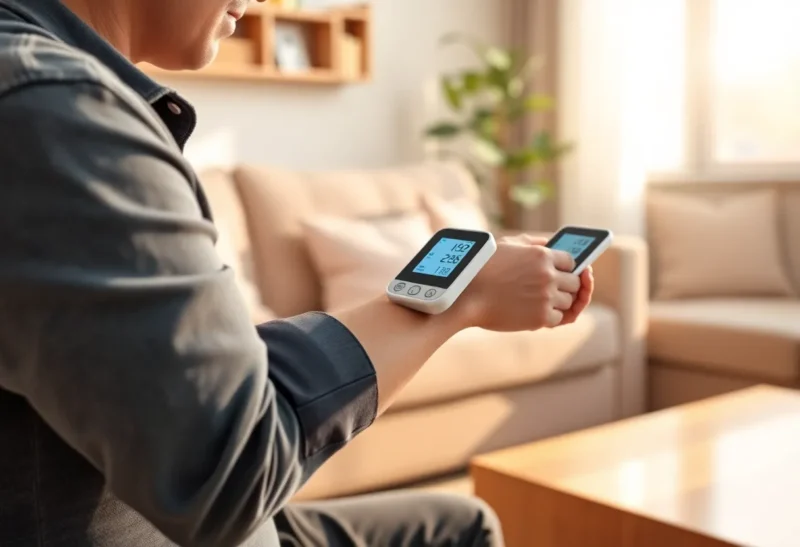
Home blood pressure monitoring has become genuinely important clinical practice — major cardiology and hypertension guidelines now actively recommend it as a supplement to clinical readings, since a single office visit reading can be skewed by “white coat” anxiety and only captures a single moment rather than the kind of trend data that actually matters for managing hypertension over time. But the accuracy gap between a well-maintained home monitor and a properly administered clinical measurement remains real and worth understanding, not because home monitoring isn’t valuable, but because knowing exactly where and why the accuracy gap shows up is what actually lets people use home monitoring data well. I’m a clinical laboratory scientist who spent years running diagnostic testing operations, and the reasons home readings drift from clinical accuracy are almost entirely about technique and device validation rather than some fundamental technology limitation that can’t be addressed.
Why Technique Matters More Than Most People Realize
The single largest source of inaccuracy in home blood pressure measurement isn’t the device itself — it’s measurement technique, and the specific errors involved are remarkably consistent across studies of real-world home monitoring behavior. Cuff size mismatch is a particularly common and underappreciated problem: a cuff that’s too small for a person’s arm circumference produces artificially elevated readings, while a cuff too large produces artificially low readings, and a meaningful share of home monitor users are using a cuff size that doesn’t actually match their arm, either because they bought a “one size fits most” device that doesn’t fit them well or because they’re using a hand-me-down or borrowed device sized for someone else.
Body position and preparation errors compound this further — clinical guidelines specify sitting with back supported, feet flat on the floor, arm supported at heart level, and a rest period of several minutes before measurement without talking, caffeine, or recent physical activity, a specific protocol that clinical staff are trained to follow consistently but that home users frequently skip or perform inconsistently, whether by measuring immediately after climbing stairs, while holding a phone, or with the arm unsupported and hanging at an angle that doesn’t match the heart-level positioning the validated measurement protocol actually requires.
The Device Validation Problem That’s Genuinely Underreported
Beyond user technique, there’s a real device-quality issue that gets less public attention than it deserves: not every home blood pressure monitor sold commercially has actually been validated against the clinical accuracy standards that regulatory and medical organizations use to certify measurement accuracy. Organizations including the Association for the Advancement of Medical Instrumentation (AAMI) and the European Society of Hypertension have established specific validation protocols that require a device to be tested against simultaneous clinical measurements across a sufficiently diverse population sample before it can be considered clinically validated, but device validation isn’t a strict regulatory requirement for a blood pressure monitor to be sold at retail in most markets, meaning genuinely unvalidated devices with real accuracy problems remain commercially available alongside properly validated ones without an obvious way for typical consumers to distinguish between them at point of purchase.
Resources like the STRIDE BP validated device listing, maintained by an international consortium of hypertension researchers specifically to help consumers and clinicians identify devices that have passed recognized validation protocols, exist precisely because this gap isn’t well-addressed by retail market regulation alone, and checking a specific device model against this kind of independent validation list before purchase is one of the more concretely useful, actionable steps available to someone trying to ensure their home readings are actually clinically meaningful rather than just plausible-looking numbers from an unvalidated device.
Why Wrist Monitors Specifically Struggle
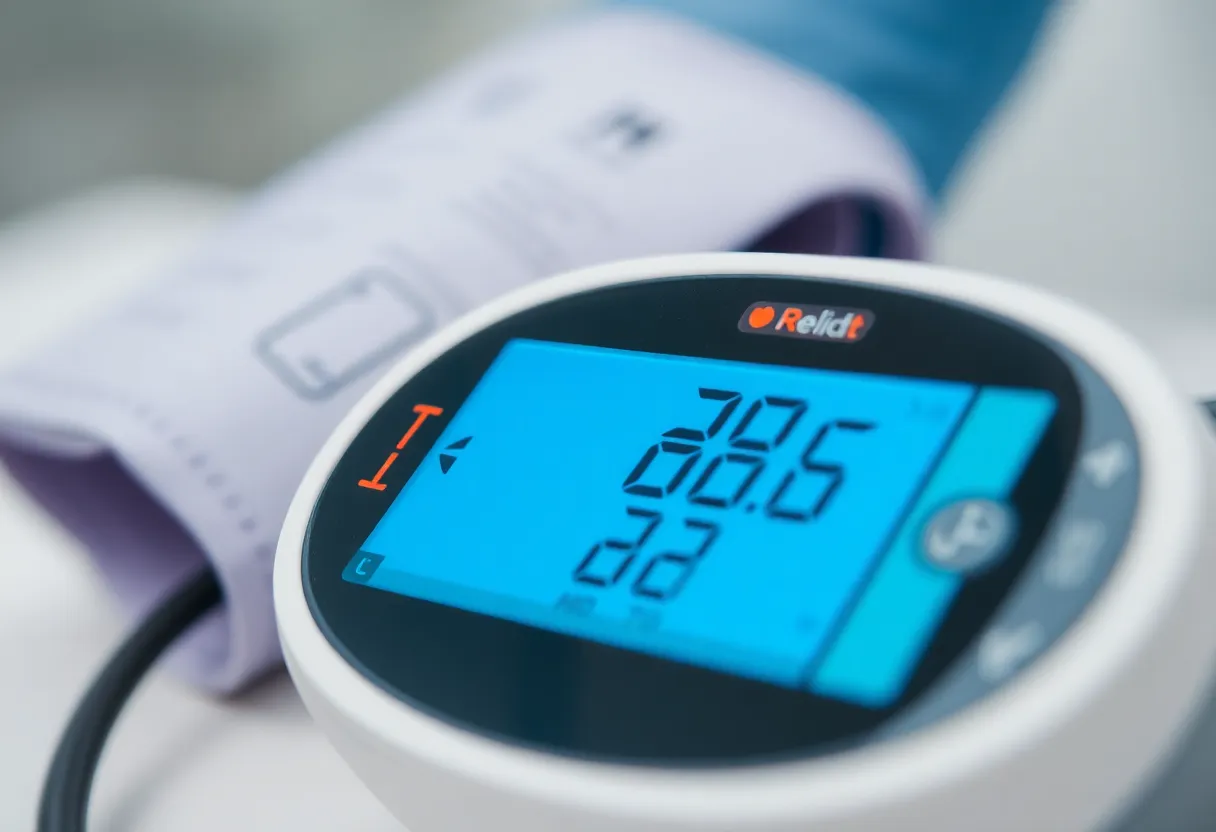
Wrist-worn blood pressure monitors, popular specifically because they’re more convenient and comfortable than an upper-arm cuff, carry a meaningfully larger accuracy problem than upper-arm devices for reasons rooted in basic circulatory physiology: the wrist’s smaller artery and its position relative to the heart make accurate, consistent measurement considerably more sensitive to exact arm positioning than upper-arm measurement is, and even small positioning errors — wrist slightly too high or too low relative to heart level — introduce meaningfully larger measurement error at the wrist than the same positioning error would cause with an upper-arm cuff.
This is why most clinical guidelines and validated device recommendations specifically favor upper-arm cuff devices over wrist devices for anyone using home monitoring for genuine clinical decision-making purposes like hypertension management, reserving wrist devices as, at best, a rough convenience option for casual tracking rather than a device that should inform actual medical decisions or medication adjustment conversations with a healthcare provider, a distinction that consumer marketing for wrist devices doesn’t always make clearly enough for buyers to understand before purchase.
What Automated Oscillometric Measurement Actually Trades Off
Nearly all home monitors use oscillometric measurement — inflating a cuff and using a pressure sensor to detect the specific oscillation pattern in cuff pressure that corresponds to blood flow resuming as the cuff deflates, then using a proprietary algorithm to estimate systolic and diastolic pressure from that oscillation pattern — rather than the auscultatory method (listening to blood flow sounds through a stethoscope while manually reading a mercury or aneroid gauge) that clinical staff are trained to perform manually and that has historically been considered the reference-standard measurement technique.
Oscillometric measurement is generally quite accurate for most people under normal conditions, and its convenience and elimination of human auscultation skill variability are genuine advantages, but it’s known to become measurably less reliable in specific conditions — irregular heart rhythms like atrial fibrillation can distort the oscillation pattern in ways that meaningfully degrade oscillometric accuracy, and very stiff arteries (common in some older patients) can also produce measurement patterns that oscillometric algorithms, calibrated primarily against more typical arterial compliance, don’t always estimate as reliably as they do for the general population these devices and their underlying validation studies were primarily built around.
How to Actually Get Meaningful Data From Home Monitoring
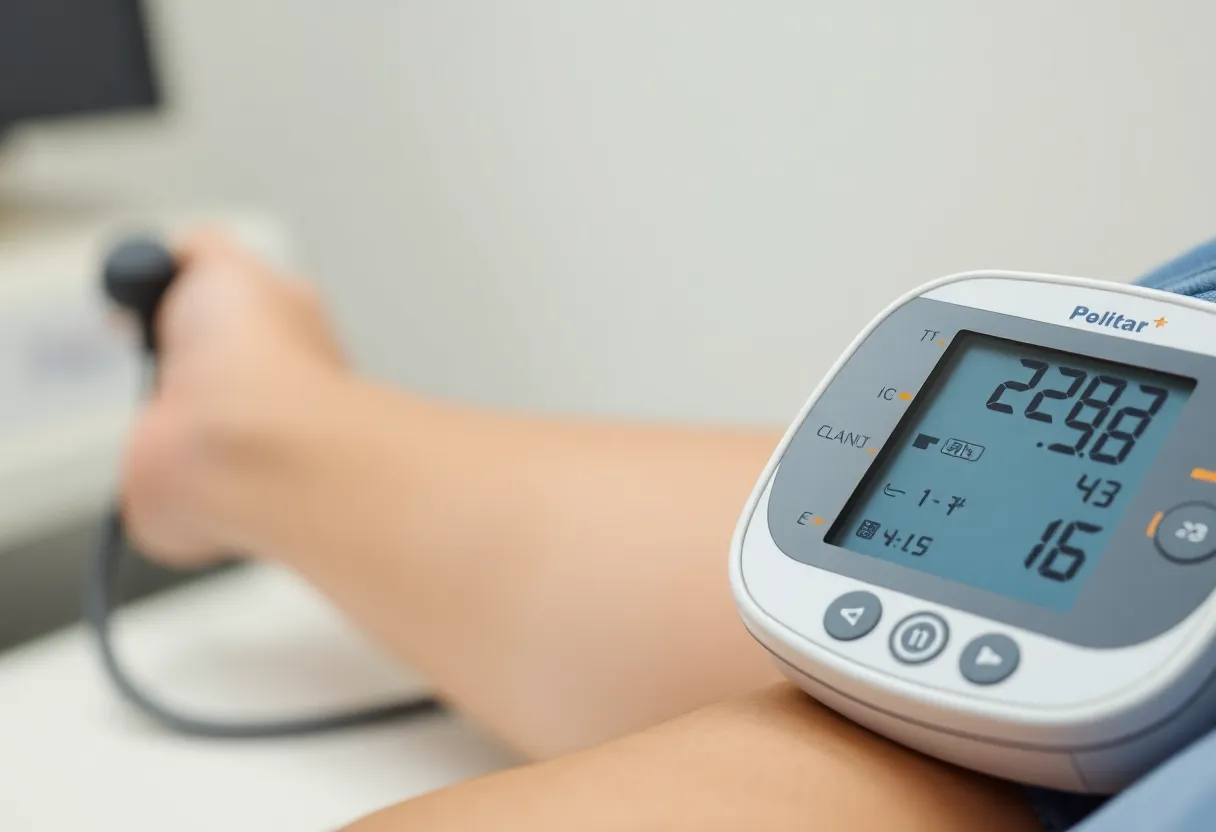
Given these real accuracy factors, the practical guidance clinical hypertension specialists generally give is specific and actionable rather than simply “buy a good monitor”: use a validated upper-arm cuff device sized correctly for your actual arm circumference, follow the specific measurement protocol (seated, supported arm at heart level, feet flat, several minutes of rest, no talking or recent caffeine/exercise) consistently every time, and take multiple readings a few minutes apart rather than relying on a single measurement, since blood pressure naturally fluctuates and averaging multiple readings taken correctly produces a meaningfully more reliable picture than any single measurement, however carefully taken.
This protocol-driven approach to home monitoring is exactly why many hypertension management programs now provide patients with specific validated device recommendations and explicit measurement instructions rather than assuming any consumer blood pressure monitor purchased independently will automatically produce clinically useful data — the technology genuinely works well when used correctly, but “correctly” is a more specific, protocol-driven standard than casual home use typically achieves without that explicit guidance.
The Bigger Picture on Home Monitoring’s Real Value
None of these accuracy caveats should be read as an argument against home blood pressure monitoring, which remains genuinely valuable clinical practice precisely because trend data across many readings over time, even with some individual measurement noise, provides real diagnostic and management value that infrequent clinical office readings alone can’t match. The more useful framing is that home monitoring’s value depends heavily on getting the basics right — a validated device, correct cuff size, consistent technique — and that the accuracy gap between home and clinical measurement is largely a solvable, technique-and-device-selection problem rather than an inherent limitation of home monitoring technology itself.