Why Smart Contact Lenses Keep Missing Their Own Launch Dates

Dr. Siobhan Reilly
July 9, 2026
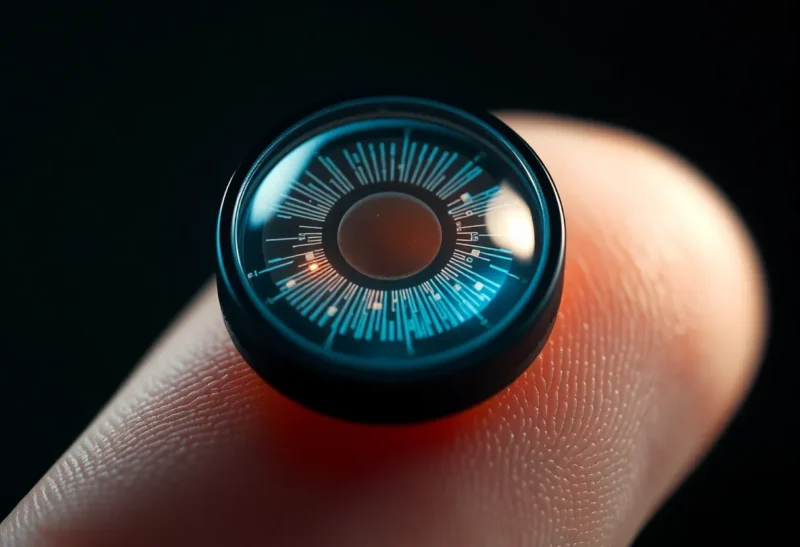
Google announced a smart contact lens capable of measuring blood glucose from tears back in 2014, partnered with Novartis for commercial development, and generated the kind of breathless coverage that assumed consumer availability was a few years away at most. Novartis quietly discontinued the project in 2018 after concluding the technology couldn’t achieve the accuracy needed for a genuine medical device. That pattern — genuine engineering progress, real investment, a confident timeline, then a quiet shelving or indefinite delay — has repeated across nearly every serious smart contact lens effort since. I hold a PhD in vision science and have spent years writing about health technology adjacent to this space, and the reasons this category keeps missing its own promises are specific, well understood within the field, and mostly not about a lack of ambition or investment.
What Makes This Category So Much Harder Than Other Wearables
The fundamental challenge is that a contact lens occupies one of the least forgiving physical environments for electronics anywhere on the human body. The device sits directly on the cornea, an avascular tissue that depends entirely on oxygen diffusion from the surrounding tear film and atmosphere for its metabolic needs — any component that measurably blocks oxygen transmission risks corneal hypoxia, a genuine medical safety concern that constrains lens thickness and material choices far more strictly than almost any other wearable form factor.
Power is the problem that compounds everything else. A smart contact lens has essentially no usable internal volume for a meaningful battery — most prototypes rely on wireless power transfer (inductive coupling, similar in principle to wireless phone charging but at a vastly smaller scale) rather than onboard batteries, which limits both the power budget available for sensing and processing and the practical range at which the device can actually be powered and read, typically requiring a nearby reader device rather than working autonomously throughout a full day. Every additional sensor, processing capability, or wireless communication feature has to compete for an extraordinarily constrained power and space budget that other wearables — even tiny ones like hearing aids — simply don’t face to the same degree.
Why the Google/Novartis Glucose Lens Specifically Failed
The glucose-sensing concept was scientifically elegant: tear fluid does contain glucose at concentrations that correlate with blood glucose, in principle offering a non-invasive alternative to finger-prick testing or even implanted continuous glucose monitors. The problem, as multiple independent research groups and eventually Novartis’s own internal assessment concluded, was that the correlation between tear glucose and blood glucose is weaker and more variable than initial research suggested, influenced by tear production rate, eye irritation, and measurement timing in ways that made clinically reliable readings much harder to achieve consistently than early proof-of-concept studies implied.
This is a recurring pattern in biosensing more broadly, not unique to contact lenses: a biomarker correlating with a health measure in a controlled lab setting doesn’t automatically translate into a reliable, real-world continuous monitoring signal once you account for the messy variability of actual human physiology outside a controlled study. Several academic groups have continued researching tear-based glucose and other biomarker sensing since Novartis’s exit, with some published results showing improved accuracy using refined sensor chemistry, but nothing has yet reached the clinical validation threshold needed for a regulatory-cleared consumer or medical device.
Mojo Vision and the Pivot That Tells Its Own Story
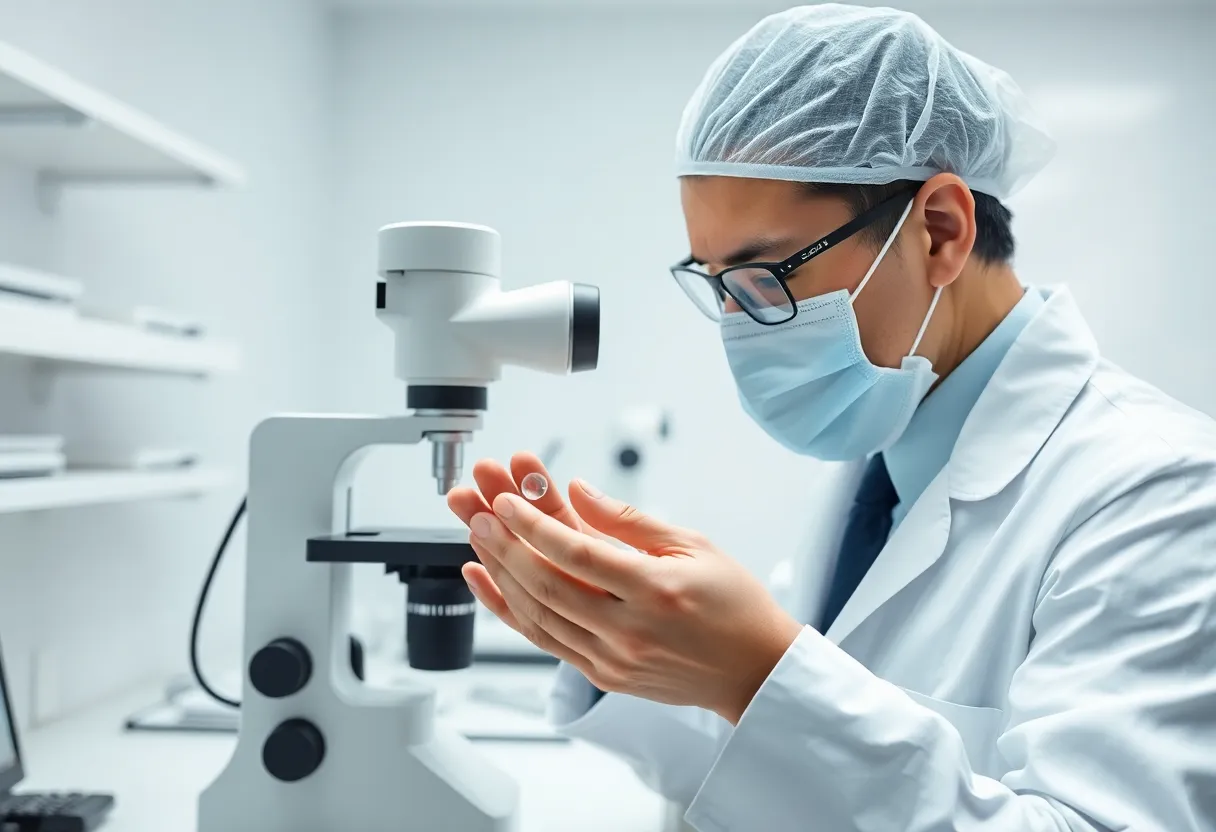
Mojo Vision’s smart lens project, which pursued an ambitious augmented-reality display embedded directly in a contact lens rather than a biosensing application, is probably the most instructive recent case study in how far this category has actually progressed versus how far the marketing suggested. The company demonstrated real, working prototypes with a functional micro-LED display and eye-tracking capability — genuinely impressive engineering that proved the core display technology could work in principle. But in 2023, Mojo Vision announced it was largely stepping back from consumer AR lens development, citing the immense remaining engineering and regulatory challenges, and shifted its business toward licensing its underlying micro-LED display technology to other companies instead.
That pivot is a clear signal about where the actual bottleneck sits: not in whether a tiny functional display or sensor can be built at all — Mojo Vision proved that it can, in a research and demonstration context — but in translating that demonstration into something that can be manufactured reliably at scale, cleared by regulators as safe for continuous eye contact, and sold at a price and reliability level that makes commercial sense. That gap between “impressive lab demo” and “shippable consumer medical device” has proven to be the graveyard for nearly every ambitious project in this space so far.
The Regulatory Reality Nobody’s Marketing Emphasizes
Any smart contact lens with a genuine health-monitoring or vision-correction claim faces medical device regulatory review, not the lighter consumer electronics pathway that most wearables use — the FDA and equivalent international regulators treat anything touching the eye with elevated scrutiny given the sensitivity and irreversibility risk of corneal or intraocular injury. This adds years and substantial capital to any credible development timeline beyond what’s typically required for a wrist-worn sensor measuring similar biomarkers, and it means the “few years away” timelines companies have repeatedly announced tend to badly underestimate the actual regulatory validation runway required, even when the core engineering demo looks convincing.
Biocompatibility testing for materials in continuous, direct contact with a mucous membrane as sensitive as the eye is also considerably more stringent than for skin-contact wearables, and any embedded electronics, antenna, or sensor material has to clear a higher bar for long-term safety data than most consumer wearable components require, adding further development time that rarely factors into the initial optimistic press-release timelines that generate the most public excitement.
Where Actual Progress Is Happening
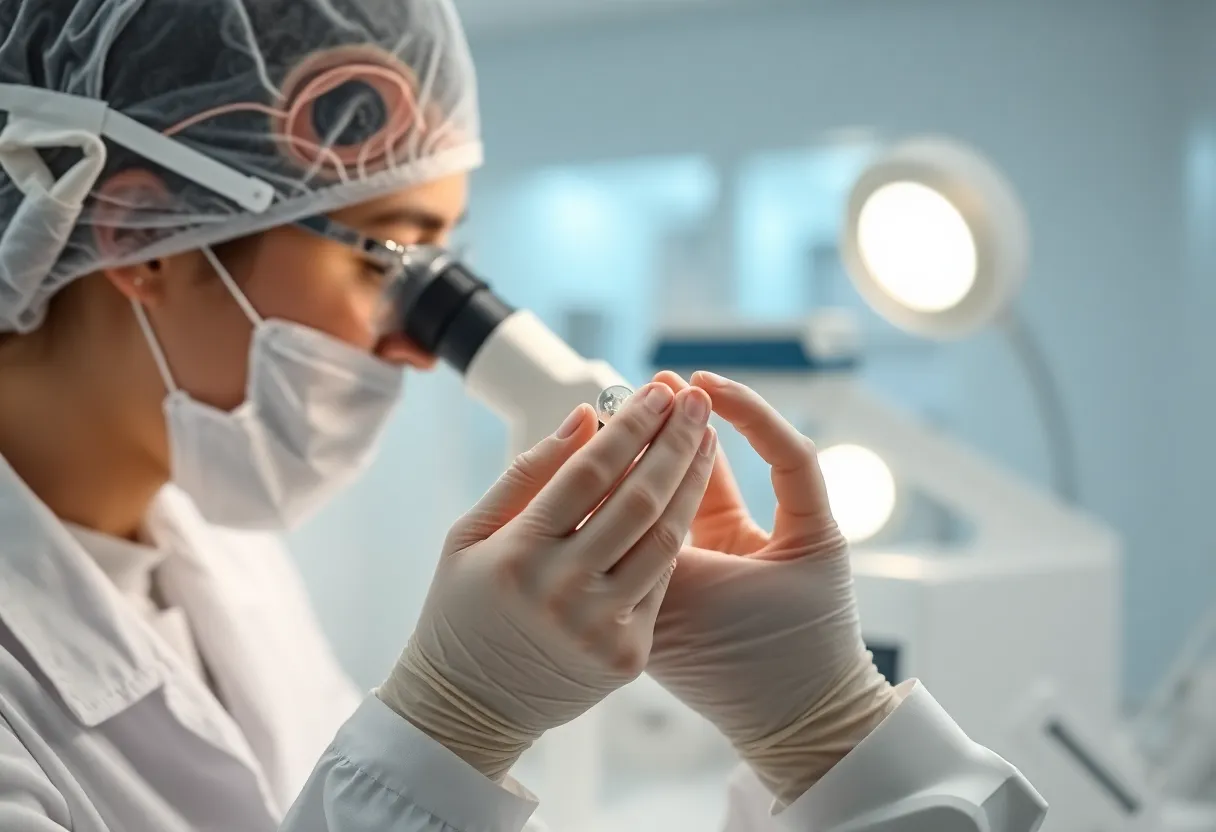
It would be wrong to conclude nothing is working in this space — the progress is just narrower and less flashy than the biosensing and AR display concepts that generate headlines. Simple electronic contact lenses without complex sensing or display capability have already reached limited commercial and clinical use: light-filtering electronic lenses for conditions like presbyopia (age-related loss of near focus), and specialized lenses that deliver controlled drug release for conditions like glaucoma, represent categories where the engineering demands are more modest and closer to existing contact lens manufacturing and regulatory precedent, and where meaningful clinical products have actually reached patients, even if they’re far less exciting than a glucose sensor or AR display.
Continuous intraocular pressure monitoring for glaucoma management is another area with genuine clinical research momentum, since the specific, narrow measurement target and clear clinical need make the cost-benefit case for pursuing the more demanding regulatory and engineering pathway clearer than for a general-purpose wellness biosensor aimed at a broader consumer market with less urgent unmet need.
What This Pattern Actually Teaches
The recurring failure to hit announced launch dates in this category isn’t really a story about hype outpacing genuine research progress — meaningful engineering advances have happened, repeatedly, and the core sensing and display concepts have been demonstrated to work in principle multiple times over the past decade. It’s a story about a chronic mismatch between how quickly impressive lab demonstrations happen and how long the harder, less visible work of biocompatibility validation, manufacturing reliability, and medical device regulatory clearance actually takes for a device with essentially zero margin for error sitting directly on the eye.
The realistic path forward for smart contact lenses looks like continued, narrow, clinically-focused progress — drug delivery, intraocular pressure monitoring, presbyopia correction — rather than the sweeping consumer biosensing or AR vision announced with such confidence over the past decade. Those narrower applications lack the same viral appeal, but they’re the ones actually surviving contact with the regulatory and manufacturing reality that’s quietly ended almost every more ambitious announcement in this space so far.