Why Freight Rail Signaling Upgrades Are Taking So Long in the US

Futurion Editorial
July 9, 2026
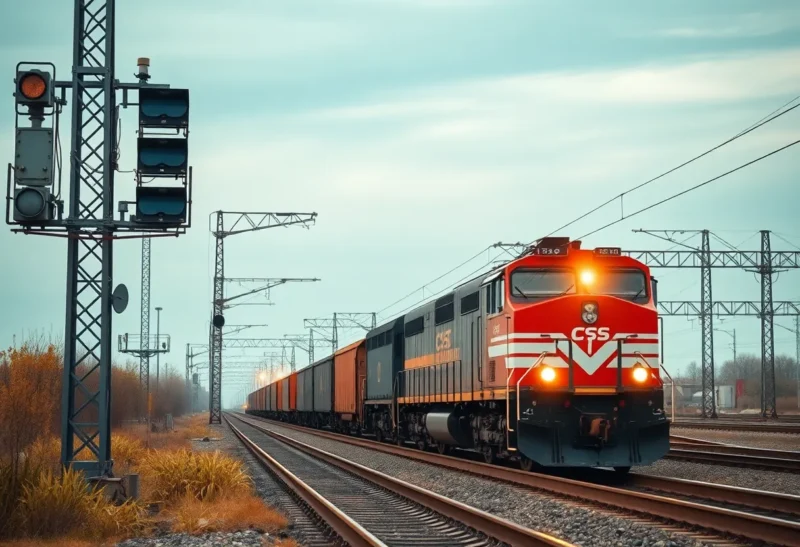
Positive Train Control, the signaling and automatic braking technology Congress mandated after a series of fatal rail accidents in the 2000s, was originally required to be implemented across most of the US freight and passenger rail network by 2015. The actual full-network implementation deadline slipped repeatedly, with the final compliance deadline eventually landing in 2020 — five years later than originally mandated — and even that extended timeline required substantial additional federal pressure and enforcement to achieve. Understanding why a technology conceptually similar to systems other countries deployed faster took so long to roll out across US freight rail says a lot about the specific technical and institutional complexity of the US rail network compared to more centralized systems elsewhere.
What Positive Train Control Actually Does
Positive Train Control (PTC) is a GPS-based, computerized safety overlay system that continuously tracks train position, speed, and the specific track authority and speed restrictions in effect for that section of track, and automatically intervenes — slowing or stopping a train — if the system detects the train exceeding its authorized speed or approaching a situation like an improperly lined switch, an occupied section of track, or an area under a temporary speed restriction that the crew hasn’t responded to correctly. It’s specifically designed to prevent the exact categories of accidents that motivated the original legislative mandate: train-to-train collisions, over-speed derailments, and incursions into track sections under active maintenance work.
The technology is not, at a conceptual level, wildly more sophisticated than train control and automatic protection systems that many other countries’ rail networks — Europe’s ETCS (European Train Control System) being the most prominent comparable example — implemented on major rail corridors over a similar or even earlier timeframe. The delay in US freight rail wasn’t primarily about inventing new technology; it was about the scale and structural complexity of retrofitting that technology across an existing, enormous, and unusually fragmented network.
The Sheer Scale of the US Freight Network Is a First-Order Problem
The US freight rail network is significantly larger in total route mileage than any comparable national network globally, spanning roughly 140,000 route miles operated by multiple large Class I railroads plus hundreds of smaller regional and short-line railroads, all of which needed PTC-compliant equipment installed and interoperable with each other, since freight cars and locomotives routinely move across different railroads’ track and equipment over the course of a single shipment’s journey.
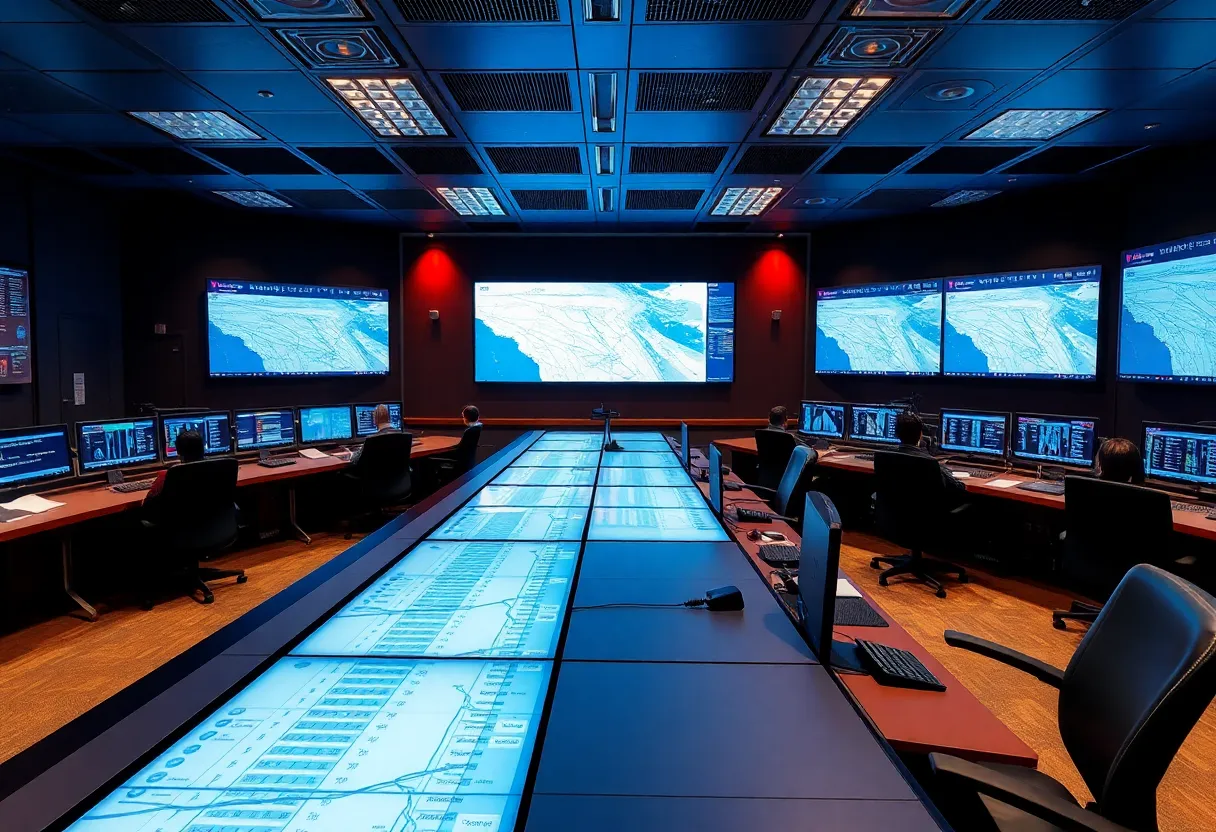
This interoperability requirement is a genuinely distinct challenge compared to many other countries’ rail networks, which are often more centrally operated by a single national or regional rail authority controlling both the infrastructure and a larger share of the rolling stock running on it. In the US system, PTC equipment installed by one railroad specifically needed to communicate correctly and safely with signaling infrastructure and equipment installed by different, independently operated railroads, requiring extensive additional standards development, testing, and coordination work between competing companies that simply doesn’t arise in a more unified national rail system.
Radio Spectrum Availability Became an Unexpected Bottleneck
PTC systems depend on continuous, reliable wireless data communication between trains, wayside equipment, and central dispatch systems, and this communication requirement turned out to require a specific radio spectrum allocation that wasn’t readily available across the full geographic footprint the freight rail industry needed to cover. Railroads had to acquire, in some cases through lengthy FCC licensing and spectrum-clearing processes, sufficient radio spectrum access across their entire operating territory — a process complicated by existing spectrum users, regional licensing conflicts, and the sheer geographic scope of clearing spectrum access across tens of thousands of route miles rather than a single concentrated urban or regional network.
This spectrum acquisition and clearing process became one of the more significant, less publicly visible causes of PTC implementation delay, since it was a prerequisite infrastructure step that had to be substantially resolved before the actual signaling equipment installation and testing work could proceed at full scale across a given railroad’s network.
Retrofitting Legacy Infrastructure and Equipment Added Enormous Physical Work
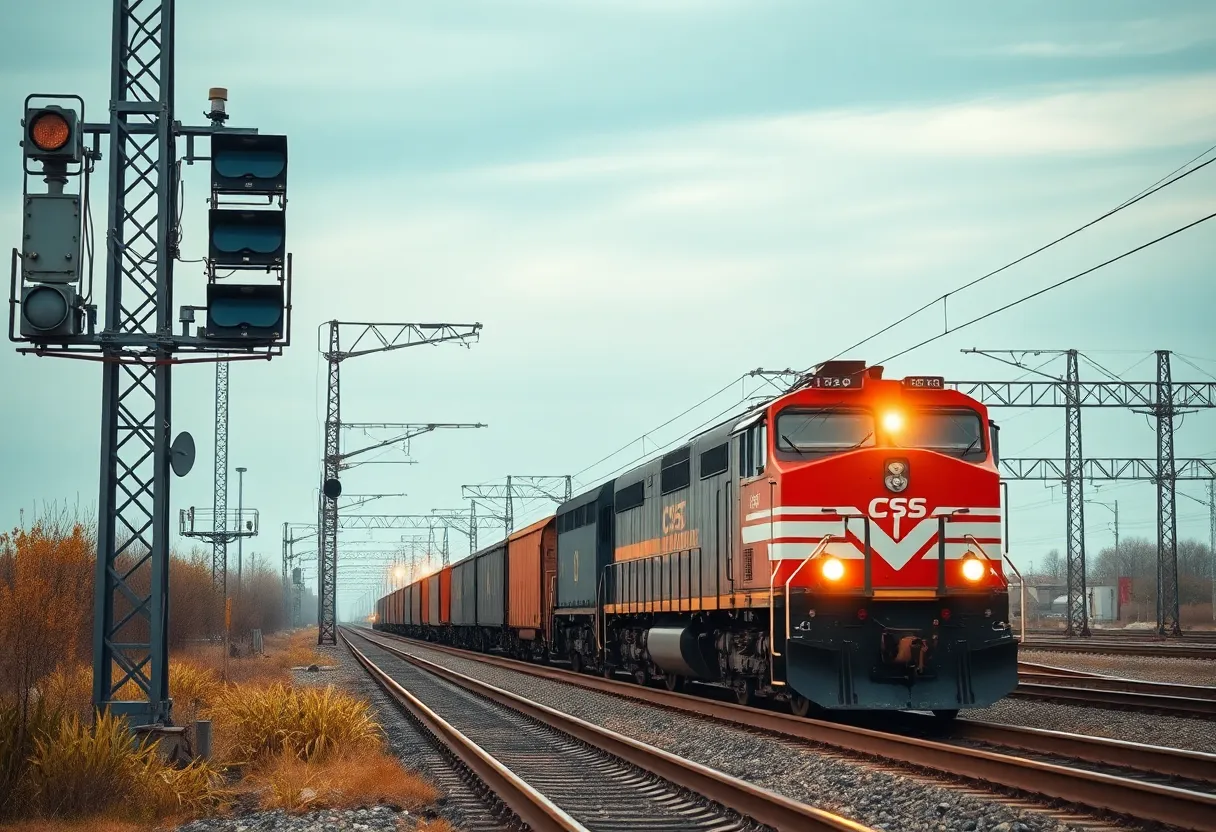
Beyond the technology and spectrum questions, PTC implementation required an enormous physical retrofit effort: installing new onboard computer and GPS equipment on tens of thousands of individual locomotives, installing new wayside signaling equipment and communication infrastructure along thousands of miles of track, and developing detailed digital track databases precisely mapping every speed restriction, switch, and signal location across the entire network — much of which had previously been managed through a combination of paper records, employee route familiarity, and older signaling technology that didn’t require this level of precise digital mapping to function safely.
Building and validating these track databases accurately enough to trust an automated braking system’s safety-critical decisions on them was itself a substantial undertaking, since any error in a digital track database could translate directly into unsafe automated intervention (or a dangerous failure to intervene) rather than just an inconvenience, which required extensive, methodical verification work before railroads could bring PTC-covered track segments into full active operational service.
Why This History Still Shapes Ongoing Rail Signaling Investment
The PTC rollout, despite its extended timeline, is now largely complete across the federally mandated network segments, and the freight rail industry has continued incremental signaling and automation investment beyond the baseline PTC mandate, including further automation of dispatch systems and continued refinement of the underlying track databases and communication infrastructure PTC required building in the first place. The scale, interoperability, and spectrum challenges that made PTC’s rollout slow haven’t disappeared as considerations for future rail technology investment — they remain a structural feature of trying to deploy any new safety or automation technology across a large, multi-operator freight network, which is part of why US freight rail technology modernization efforts generally proceed more incrementally and take longer in practice than comparable initiatives on more centralized rail networks elsewhere.