Why Voice Actors Are Fighting Over AI Clause Language in Game Contracts

Kevin Lam
July 9, 2026
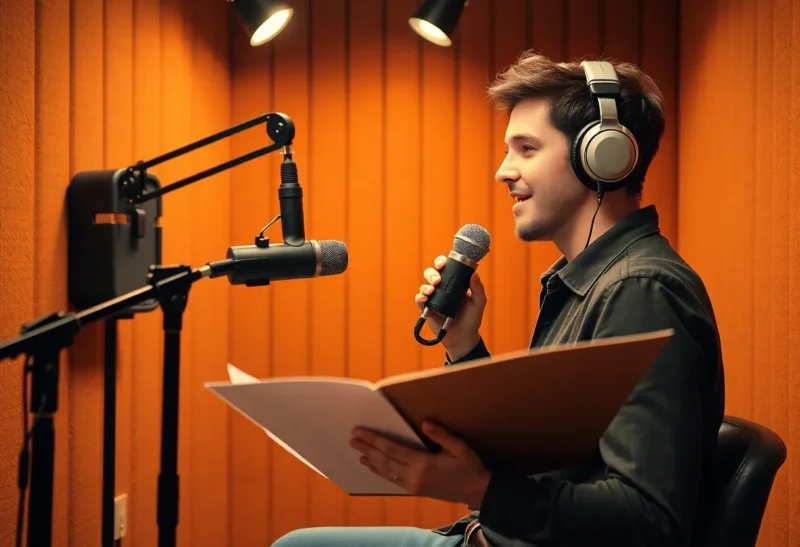
The 2024 SAG-AFTRA video game strike put a spotlight on a fight that had actually been building for years inside voice acting contracts, largely out of public view: the specific wording of AI-related clauses buried in performer agreements, which turned out to matter enormously more than most actors originally realized when those clauses first started quietly appearing. What looks like a single, simple issue — “should AI be allowed to replicate an actor’s voice” — is actually a dense thicket of contract language questions, and the specific wording differences between clauses that sound similar on a quick read can mean the difference between a performer retaining real control over their voice and unknowingly signing away rights to have it used indefinitely without further consent or pay.
Why “Consent” Alone Isn’t the Protection It Sounds Like
Early AI clauses added to voice performance contracts often included language requiring “consent” before a studio could use AI to generate new lines from a performer’s recorded voice data. That sounds like meaningful protection until you look at what specific consent is actually being requested and when. A blanket consent clause signed once, at the start of a multi-year contract, before a performer has any concrete sense of what future use cases might look like, functions very differently from a clause requiring specific, per-use consent each time a new application of the technology comes up — and the industry fight has largely centered on exactly this distinction, because studios have understandably preferred the broader, one-time consent model that gives them maximum future flexibility, while performer unions have pushed hard for narrower, per-instance consent requirements.
SAG-AFTRA’s specific contract language, won through the interactive media agreement negotiations that led to the 2024 strike’s resolution, requires informed consent for each specific use of a digital replica, along with reasonably specific compensation terms tied to that use — a meaningfully different standard than a general blanket consent signed at the outset of a project, and the union has been explicit that this distinction, not a blanket prohibition on AI use, was the actual core of the dispute.
The “Digital Replica” Definition Fight
A huge amount of the actual contract negotiation friction has centered on how narrowly or broadly a “digital replica” gets defined in contract language, because the definition determines what’s actually covered by consent and compensation protections at all. A narrow definition that only covers a full synthesized voice model trained specifically to replicate a named performer’s voice leaves a real gap: what about AI systems trained on a broader dataset that includes a performer’s recordings among thousands of others, producing a voice that’s stylistically similar but not a direct, identifiable replica?

Performer advocates have pushed for broader definitions that cover any AI-generated output substantially derived from a performer’s specific vocal characteristics, even without being a literal, identifiable clone, precisely because a narrow definition creates an obvious workaround: a studio could train a system on a large enough pool of performer recordings that no single output is clearly identifiable as “that specific actor’s digital replica,” while still functionally reducing demand for new human recording sessions using techniques that indirectly draw on the same performers’ original work. Studios have generally preferred narrower definitions, both for genuine technical reasons — an overly broad definition creates real ambiguity about what any AI voice tool can be used for at all — and because narrower definitions simply create fewer situations requiring additional consent and payment under the contract.
Compensation Structure Is a Separate Fight From Consent
Even where consent requirements are reasonably strong, compensation terms for approved AI use have generated their own separate negotiation battles. Traditional voice acting compensation is typically structured around session-based payment (a rate for recording time) plus, in some union contracts, residual payments tied to a project’s distribution and usage over time. AI-generated dialogue using a performer’s existing voice data doesn’t fit cleanly into either model, because no new recording session actually occurs — the “performance” is synthesized from existing recorded data, raising a genuinely novel question of what fair compensation looks like for output generated without the performer’s active involvement in that specific instance.
Union contract language has generally pushed toward treating AI-generated dialogue using a performer’s voice as equivalent to a new recording session for compensation purposes, on the reasoning that the performer’s original creative and vocal work is still what’s generating the commercial value, regardless of whether a human was physically present in a booth for the specific line in question. Studios have pushed back on this framing in negotiations, arguing that treating synthesized output as equivalent to full new-session compensation undermines much of the efficiency gain AI voice tools are meant to provide for legitimate use cases like generating minor dialogue variations or localizing existing performances without requiring the original actor to return for every small addition.
Where This Intersects With Publicity Rights Law
These contract fights aren’t happening in a legal vacuum — they’re layered on top of existing right of publicity law, which in most U.S. states already gives individuals some legal protection against unauthorized commercial use of their voice and likeness, separate from whatever a specific contract says. Several states, including Tennessee’s ELVIS Act (passed specifically in response to AI voice cloning concerns) and California’s existing and recently strengthened publicity rights statutes, have moved to explicitly extend these protections to AI-generated voice replicas, giving performers a statutory backstop that exists regardless of contract language, though the practical strength and enforceability of these newer state laws against sophisticated AI voice generation is still being tested in early litigation rather than settled by extensive case history.
This legal backdrop matters directly to the contract negotiation dynamics, because it changes each side’s leverage — a studio operating in a state with strong publicity rights protections for AI voice replicas has less ability to rely on broad, favorable contract language alone, since a sufficiently aggressive contract clause could theoretically still run into statutory limits regardless of what a performer technically signed, which gives performer negotiators a stronger baseline position than contract language in isolation would suggest.
Why This Fight Isn’t Close to Settled
The 2024 SAG-AFTRA agreement resolved the immediate strike but didn’t end the underlying tension — it set specific terms for one union’s interactive media contracts covering unionized performers, while a large share of voice work, particularly for smaller indie studios and non-union projects, isn’t covered by those specific protections at all. Non-union voice performers are negotiating this exact same set of consent, definition, and compensation questions individually, project by project, generally with far less leverage than a union-backed negotiation provides, which means the actual state of AI voice contract protection across the games industry as a whole remains highly uneven — genuinely strong in unionized AAA productions, considerably weaker and more ad hoc everywhere else.