Why Satellite Constellations Are a Double-Edged Sword for Astronomy

Robin Hayes
March 7, 2026
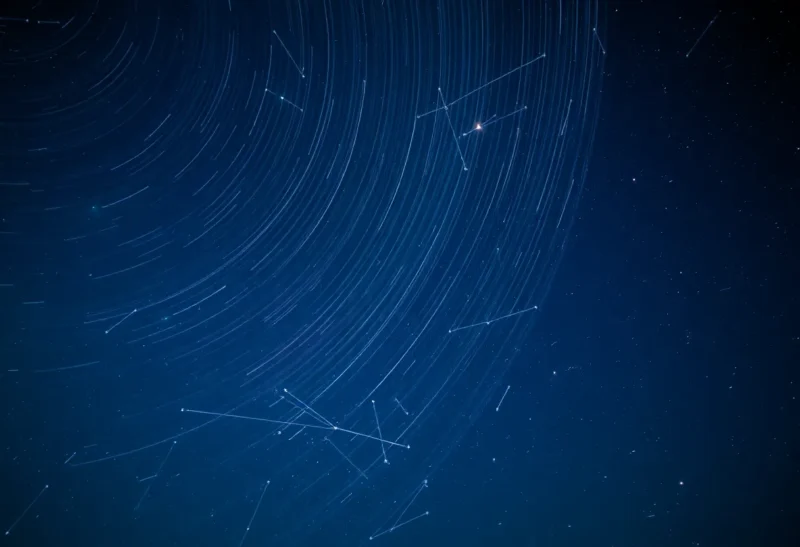
Satellite constellations promise to connect the world. Starlink, OneWeb, Amazon’s Project Kuiper—thousands of spacecraft delivering broadband to rural communities, ships, and planes. It’s a genuine technological leap. But there’s a cost that doesn’t show up on anyone’s bill: the night sky. As low-Earth orbit fills with reflective metal, astronomy loses its window. The very technology that connects us is also obscuring our view of the universe.
Here’s the uncomfortable truth: satellite constellations are a double-edged sword. They bring internet to places that never had it. They enable new applications—maritime, aviation, disaster response. And they’re scrambling the data that astronomers have relied on for decades. Every new batch of satellites adds streaks to long-exposure images, contaminates radio observations, and pushes ground-based astronomy toward a dimmer future. The question isn’t whether we should have constellations. It’s whether we’re willing to pay the price.
The Scale of the Problem
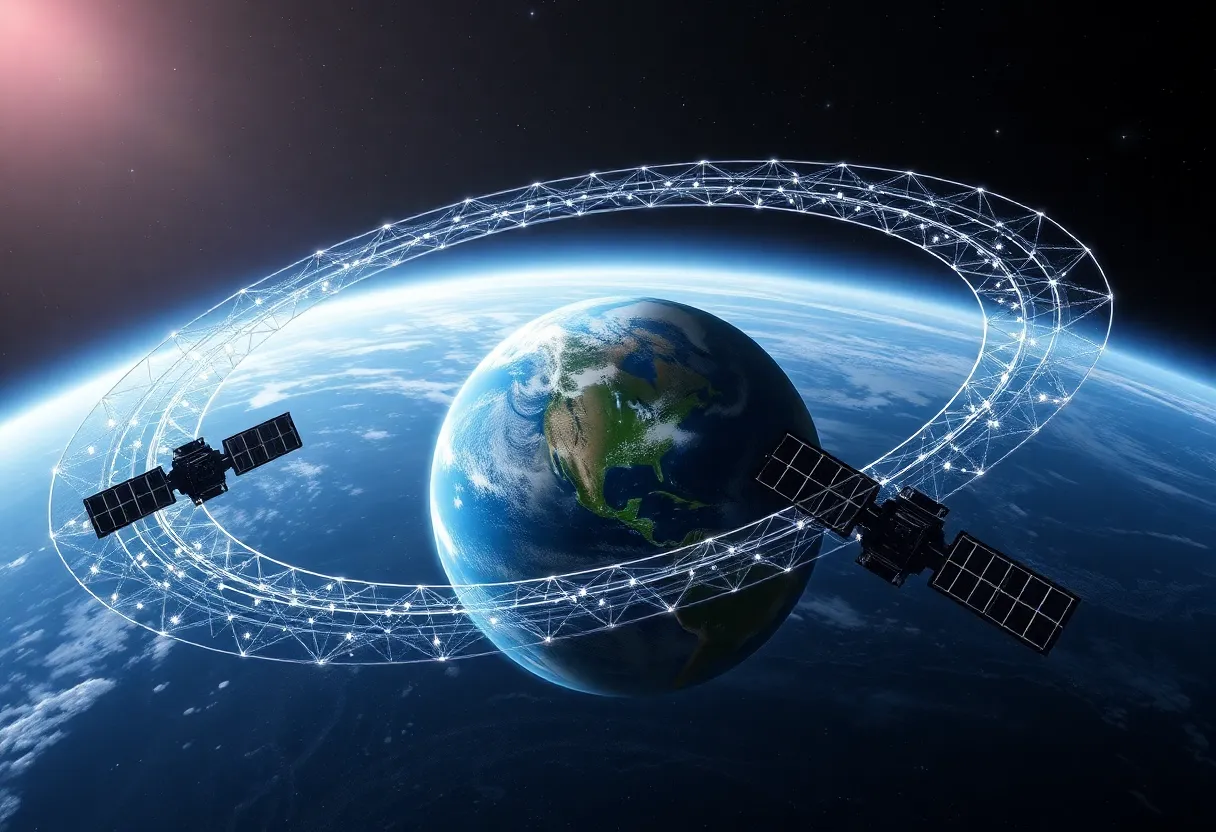
As of 2025, there are roughly 10,000 active satellites in orbit. SpaceX alone has permission to launch tens of thousands more for Starlink. Amazon, OneWeb, and others add thousands to that number. The goal is global coverage—low latency, high bandwidth, connectivity anywhere. The side effect is a sky full of moving lights.
For optical astronomy, that’s a disaster. Telescopes take long exposures—minutes or hours—to capture faint objects. A single bright satellite passing through the frame leaves a streak. With thousands of satellites, streaks become the norm. The Vera C. Rubin Observatory, a next-generation survey telescope, estimates that up to 30% of its images could be affected by satellite trails. For some science programs, that’s crippling.
Radio Astronomy: The Invisible Impact
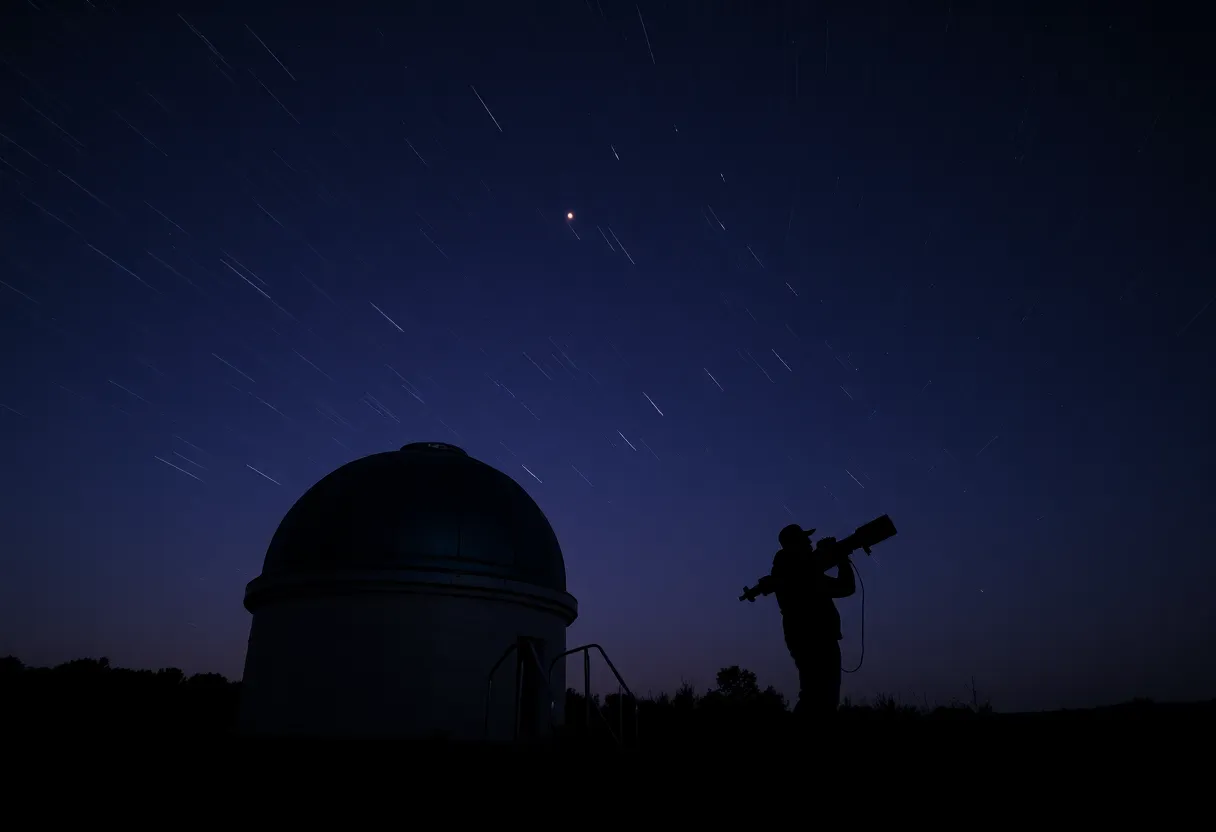
Optical streaks are visible. Radio interference is not—but it’s just as damaging. Satellites broadcast in bands that overlap with frequencies astronomers use to study the universe. The Square Kilometre Array (SKA), a planned radio telescope spanning two continents, will be exquisitely sensitive—and exquisitely vulnerable to stray signals from thousands of transmitters overhead. Mitigation is possible but expensive: filtering, coordination, and sometimes simply abandoning certain observations.
Astronomers have negotiated with satellite operators. SpaceX has darkened Starlink satellites and tested anti-reflective coatings. Some operators avoid broadcasting over sensitive radio astronomy sites. But coordination is voluntary and incomplete. As constellations grow, the burden on astronomy increases. There’s no regulatory requirement to protect the night sky.
The Trade-offs We’re Making
We’re choosing connectivity over clarity. That’s not inherently wrong—broadband access changes lives. A farmer in rural Kenya, a sailor in the Pacific, a researcher in the Arctic: they all benefit from satellite internet. The question is whether we can have both. So far, we’ve prioritized the former and hoped the latter would sort itself out.
It hasn’t. Darkening satellites helps but doesn’t eliminate the problem. Lower orbits reduce visibility but increase the number of satellites needed for coverage. Higher orbits reduce density but increase brightness. There’s no free lunch. Every design choice trades one impact for another.
What Comes Next
Astronomy will adapt. Machine learning can identify and mask satellite streaks in images. Scheduling observations to avoid known passes helps. Space-based telescopes—Hubble, JWST, future missions—are above the problem. But ground-based astronomy remains essential. It’s cheaper, more flexible, and capable of surveys that space telescopes can’t match. We can’t abandon it.
The real fix requires policy. International coordination on satellite brightness, orbit slots, and radio bands. Incentives for operators to minimize impact. Maybe one day, rules that treat the night sky as a shared resource rather than an externality. Until then, astronomers will keep working around the streaks—and wondering what we’re losing.
The Bottom Line
Satellite constellations are a triumph of engineering and a threat to astronomy. We can have global broadband and dark skies—but only if we deliberately design for both. Right now, we’re not. The cost of that choice will be paid in lost science, dimmer skies, and a universe that slowly disappears behind a mesh of our own making.