Why Right-to-Repair Still Depends on the Right Tools, Not Just Laws

Jamie Torres
February 26, 2026
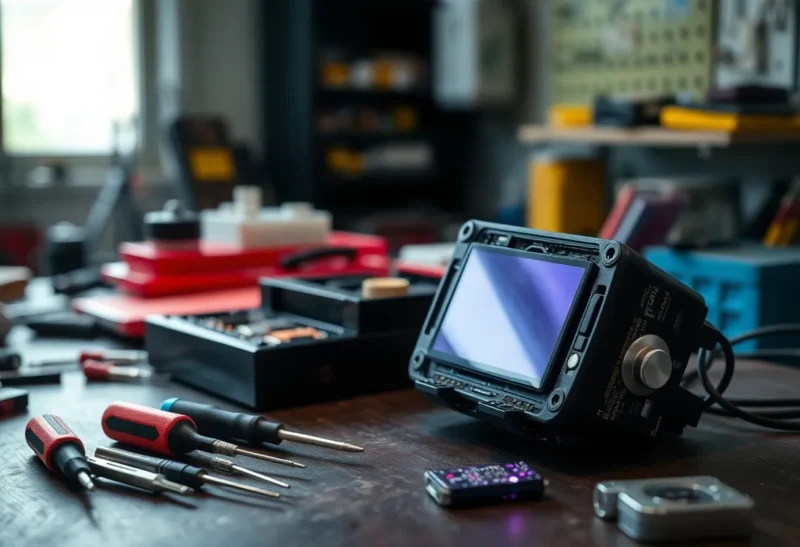
Right-to-repair laws are spreading. Mandates for manuals, parts, and tools are a step forward—but laws alone don’t fix the fact that many devices are hard to open, use proprietary fasteners, or depend on software that blocks third-party parts. The right tools—physical and informational—are what turn legal access into actual repair. Without them, “you have the right to repair” doesn’t mean you can. Here’s why tools still matter as much as the law, and what that means for makers and everyday users.
Laws Open the Door; Tools Let You Walk Through
Right-to-repair legislation often requires manufacturers to provide repair manuals, sell parts, and avoid design that blocks independent repair. That’s essential. But if you don’t have the right screwdriver, the right spudger, or the right diagnostic software, you still can’t fix the device. Proprietary fasteners (e.g. pentalobe, tri-wing) force you to buy toolkits that standard screwdrivers don’t include. Glued assemblies need heat and care to open without damage. Some devices need factory-level software or calibration tools that manufacturers don’t release. So even when the law says “you can repair,” the practical barrier is “do you have the tools and the know-how?” The right tools—and the community knowledge that goes with them—are what make repair possible at the kitchen table or the local shop.
What “The Right Tools” Means
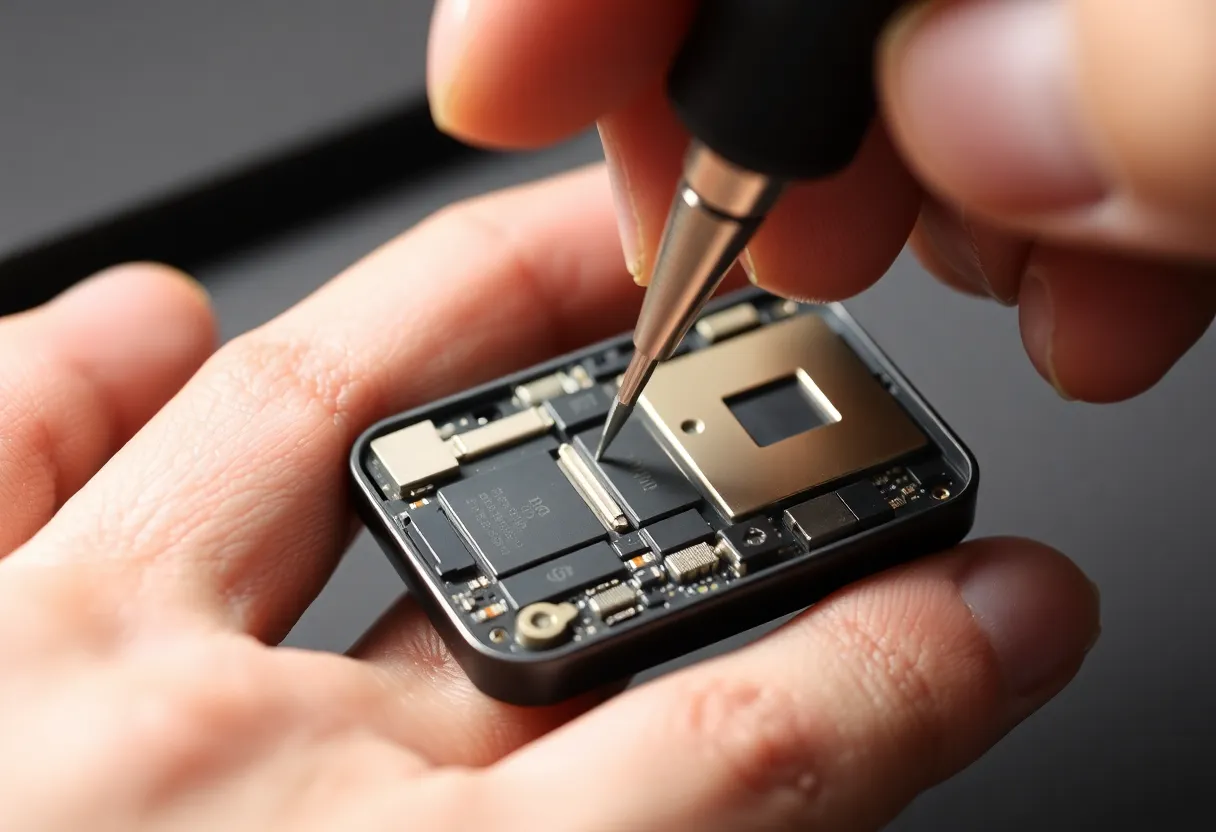
It means hardware: screwdriver sets that include security and proprietary bits, spudgers and opening tools, heat guns or hot plates for adhesive, and sometimes specialty gear for calibration or programming. It also means information: teardown guides, service manuals, and community knowledge (iFixit, forums, YouTube) that document how to open a device and what to watch for. For some products, it means software—diagnostic modes, firmware that doesn’t lock out third-party parts, or access to calibration routines. Where the law doesn’t require release of that software, the tool gap remains. So “tools” is both physical and informational. Laws can require that manuals and parts exist; they can’t always force release of every diagnostic or calibration tool. The repair community fills part of that gap with reverse engineering and shared knowledge, but it’s not the same as official support.
Where Laws Fall Short Without Tools
Some devices are designed so that even with a manual and parts, repair is impractical without specialized equipment. Microsoldering, board-level repair, and programming require skills and tools that go beyond a basic kit. Right-to-repair laws don’t usually require manufacturers to sell or license that equipment. So we get a world where “repair is legal” but “repair is still hard” for many products. The right tools—and the training to use them—remain a bottleneck. Community repair spaces, tool libraries, and better availability of prosumer-grade equipment help. So does documentation that doesn’t assume you have a factory bench. Pushing for tools and information alongside legal rights is what actually expands who can repair.
What You Can Do
If you care about right-to-repair, support both the legal side and the tool side. Buy and use repair-friendly toolkits (e.g. iFixit-style) so you’re not stuck when you encounter a proprietary screw. Use and contribute to teardown guides and forums so the next person has a map. Back initiatives that push for manuals, parts, and—where possible—diagnostic and calibration access. When you buy devices, prefer those that are openable and documented; repairability scores and teardown reviews help. The law sets the floor; the right tools and the community raise the ceiling. Without them, right-to-repair stays a promise that only a few can actually use. With them, repair becomes something you can do, not just something you’re allowed to try.
Bottom Line
Right-to-repair still depends on the right tools, not just laws. Laws can require manuals and parts; they can’t by themselves give you the screwdrivers, the know-how, or the software access you need. Supporting repair means supporting both policy and the tools and information that make repair possible. The right tools—physical and informational—are what turn legal right into actual repair.