Why Right-to-Repair Wins When You Fix One Device Yourself

Rita Okon
March 15, 2026
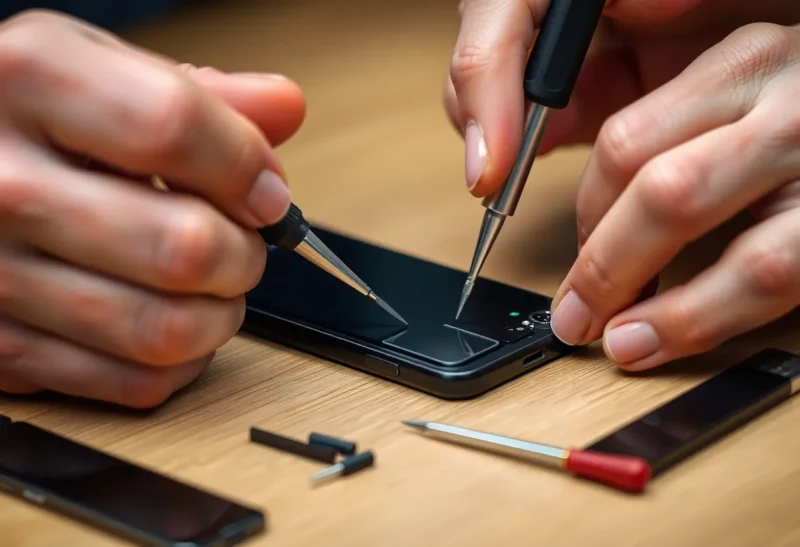
Right-to-repair is often argued in the abstract: legislation, manufacturer lock-in, and environmental waste. But the case hits home when you fix one device yourself. Replacing a phone battery, swapping a laptop SSD, or cleaning a fan changes how you see your gear. Right-to-repair wins when you fix one device yourself because that’s when it stops being a policy debate and becomes a practical win—and when you start wanting the option to exist for everything else.
What Actually Happens When You Repair
When you open a device and succeed—even if it’s just a battery or a screen—you learn how it’s put together. You see which parts are standard and which are glued or proprietary. You notice how hard or easy the manufacturer made it. That experience shifts your view of “repairability” from a spec-sheet item to something concrete. You also save money, extend the life of the device, and avoid sending it to landfill or a distant refurbisher. One successful repair is often enough to make you care about repair manuals, spare parts, and laws that keep those options open.

Why the First Fix Matters
The first fix is the hardest. You’re not sure you can do it; you’re afraid of breaking something. Once you’ve done it, the next one is easier. You know what to look for: teardown videos, the right screwdriver set, and where to buy parts. That confidence spreads. You might start choosing devices with repairability in mind, or supporting brands that publish guides and sell parts. Right-to-repair advocacy is stronger when it’s backed by people who have actually repaired things. They know what “design for repairability” means in practice.
The Ripple Effect
When you fix one device yourself, you often tell others. You show the repaired phone or the upgraded laptop. That normalises repair. It also creates demand: more people asking for parts, guides, and tools. Manufacturers and legislators respond to that demand. So the “one device” isn’t just a personal win—it’s a data point and a story that helps shift norms. Right-to-repair wins when enough people have skin in the game. Fixing one device yourself puts you in that group.
How to Start
Pick something you own that’s broken or ageing: a phone with a bad battery, a laptop with a failing drive, a gadget with a simple fault. Look up a teardown or repair guide (iFixit and similar). Get the right tools—often a small screwdriver set and maybe a spudger. Take your time; take photos as you go. If you get stuck, there are communities and forums. One successful repair is enough to prove that it’s possible—and to make you want the same possibility for the next device.
Not every device is repairable. Some are glued shut, use proprietary fasteners, or have software locks that tie parts to the original unit. But the more people attempt repairs and share what works, the more pressure there is for better design and better laws. Right-to-repair wins when you fix one device yourself. After that, it’s hard to accept that the next one might be unfixable by design.
Right-to-repair wins when you fix one device yourself because the argument stops being theoretical. You’ve done it; you know it matters. And you’ll want the option to exist for everything else you own.