Why Retro Gaming Hardware Is Having a Moment in 2026

Jake Merritt
March 7, 2026

Analogue Pocket sold out. Nintendo’s rereleased Game Boy-style handhelds flew off shelves. Retro modding communities are thriving. In 2026, old hardware—and hardware that feels old—is having a moment. Why? Partly nostalgia. Partly the fatigue of always-online, always-updating games. And partly because the tech finally caught up: we can now emulate, mod, and preserve classic games better than ever.
Here’s why retro gaming hardware is back—and what it means.
Fatigue with the modern
Modern games demand a lot. Download 100 GB. Log in. Accept the terms. Wait for the patch. Play online—or the single-player mode feels half-finished. Microtransactions, battle passes, and live-service updates keep pulling you back. For many players, that’s exhausting.
Retro games are different. Pop in a cartridge. Press power. Play. No accounts, no updates, no connectivity. The experience is contained. You own the game—or at least the physical media. That simplicity has appeal when the alternative is a subscription and a 50 GB patch.
Tech caught up
FPGA-based clones like the Analogue Pocket and Mega Sg run original hardware logic with high fidelity. They output to modern displays without the lag and blur of cheap adapters. Emulation on handhelds—the Steam Deck, the Miyoo Mini, the Retroid—has improved dramatically. You can now carry thousands of classic games in your pocket and play them with near-perfect accuracy.
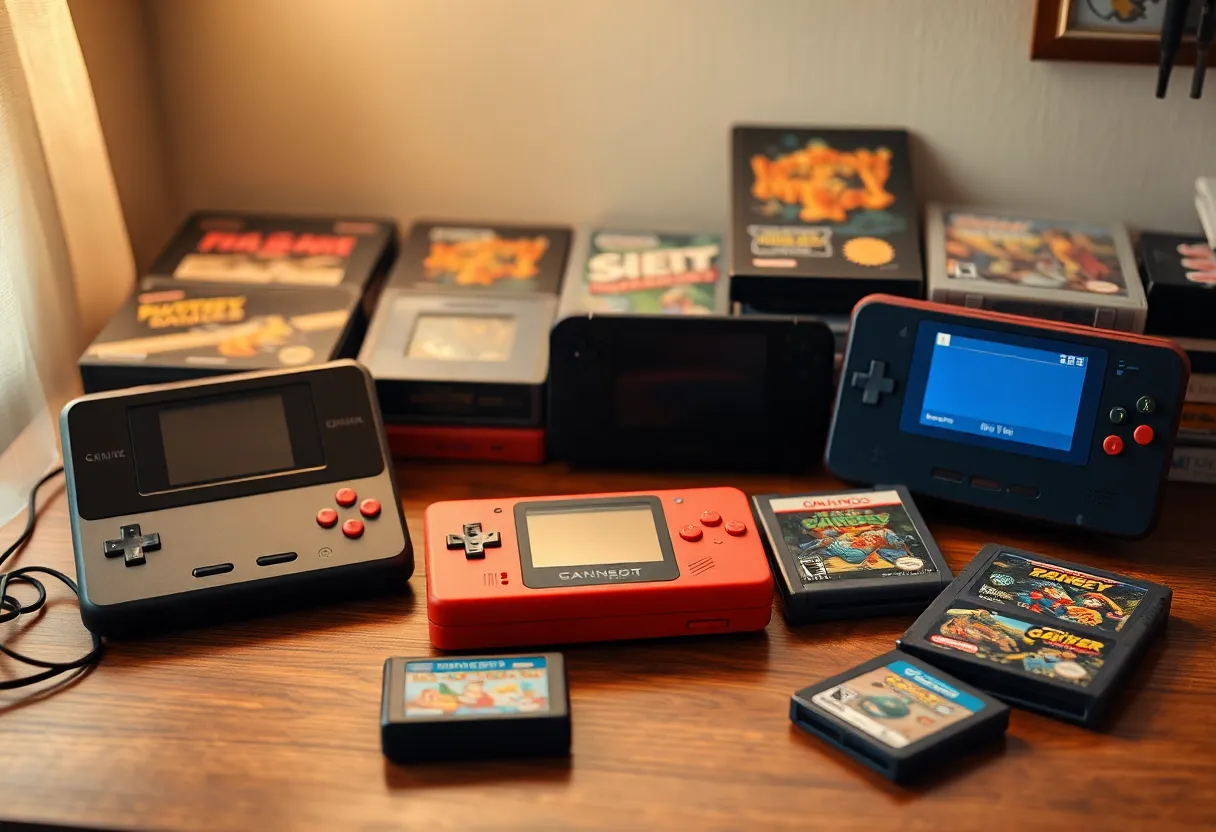
Modding communities have revived old hardware. Backlit Game Boy screens, HDMI mods for consoles, and replacement shells and buttons make 30-year-old systems usable again. The tools and parts are available. The know-how is documented. If you want to play on original hardware, you can.
Nostalgia and preservation
Nostalgia is real. People who grew up with the NES, the Genesis, or the PlayStation want to revisit those games. Not as ROMs on a phone—as experiences that feel like they did back then. CRT filters, original controllers, and hardware-accurate emulation scratch that itch.
Preservation matters too. Physical media decays. Cartridges and discs fail. Emulation and FPGA clones are ways to keep those games playable. The retro revival is partly about saving what would otherwise be lost.
The commercial angle
Companies noticed. Nintendo rereleased NES and SNES minis. Sega put out a Genesis Mini. Analogue sells premium FPGA clones. Handheld makers target the retro market. There’s money in nostalgia—and in hardware that respects it.
The retro moment isn’t just hobbyists. It’s a commercial trend. And it’s likely to continue as long as modern games keep demanding more from players. Sometimes less is more.