Why Most Smart Home Devices Still Require Too Much Maintenance

Tom Reeves
July 7, 2026
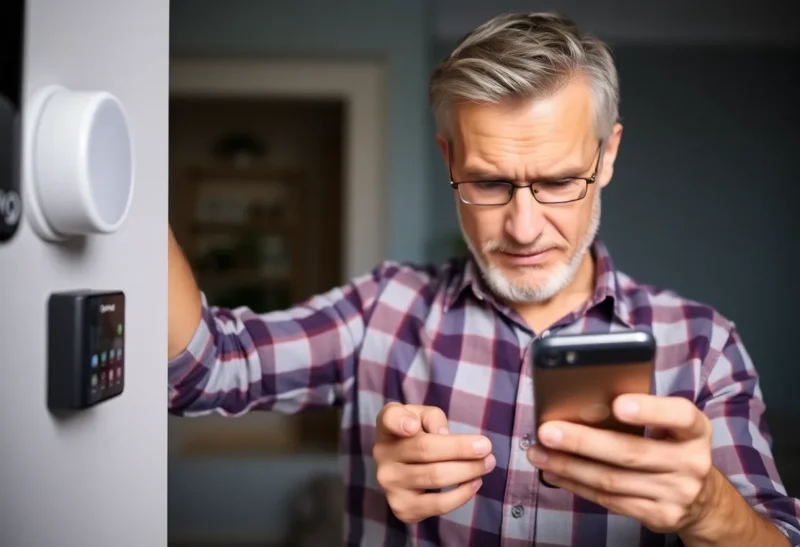
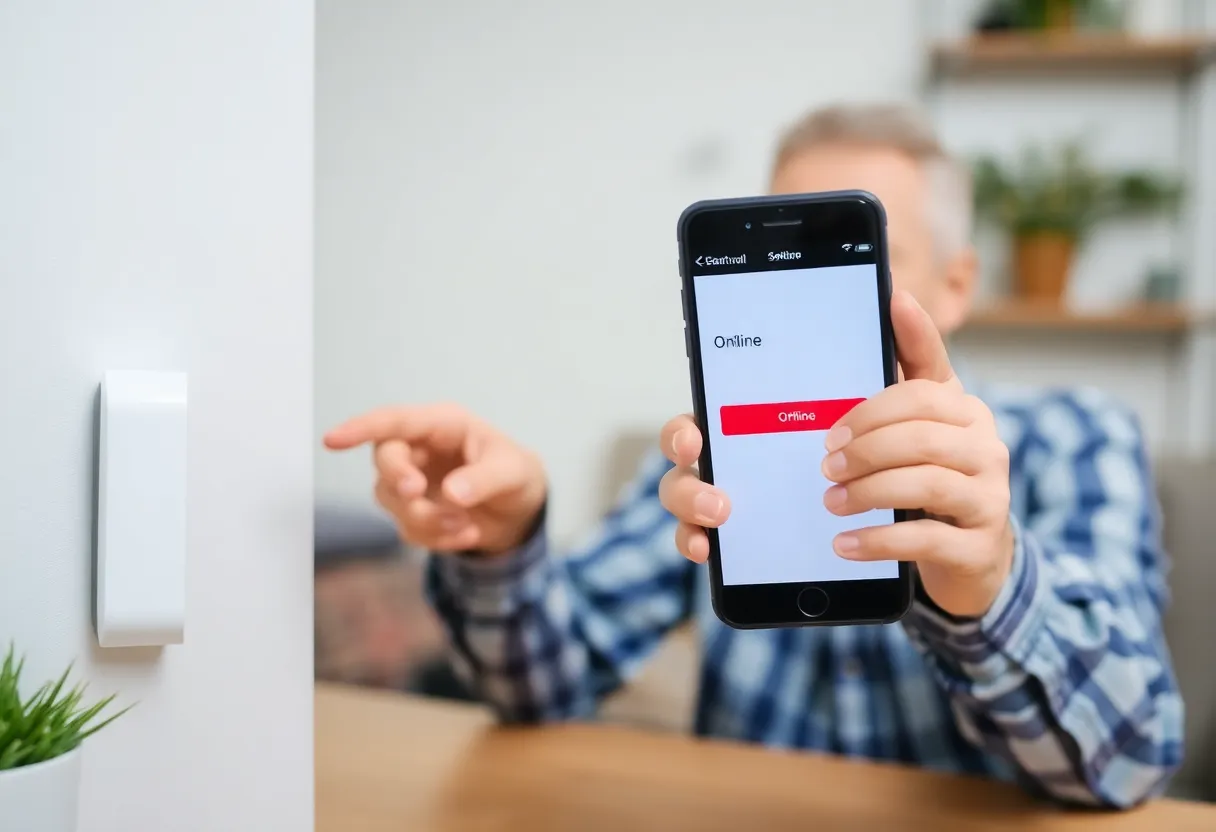
The pitch for smart home devices — lights you control with your voice, locks you manage from anywhere, thermostats that learn your schedule, cameras you check from your phone — promised a home that manages itself with minimal friction. The reality for many households with moderate smart home deployments is something different: a background layer of low-grade maintenance tasks that replace the simple mechanical operations the devices were supposed to improve. Reconnecting devices after router changes, updating firmware that breaks integrations, troubleshooting automations that stopped working for unclear reasons, managing battery replacements across a fleet of sensors, navigating apps that have changed their interface since setup — these aren’t edge cases, they’re recurring features of the current smart home experience.
The reasons for this persistent maintenance burden are structural and worth understanding, because they explain why the problem has persisted despite years of industry development and why some approaches to smart home setup are more durable than others.
The Cloud Dependency Problem
Most mainstream smart home devices route through manufacturer cloud services. When you turn on a Kasa smart plug with your phone, the request goes from your app to TP-Link’s servers, and then to the device. The device’s “intelligence” lives partly or entirely in the cloud. This architecture creates several maintenance problems. First, the device is useless if the manufacturer’s cloud service is down — a failure mode that doesn’t exist for a light switch. Second, the manufacturer controls the software that makes the device useful, and when they change that software (update the app, change the API, require a new firmware version, shut down the service), your device’s behavior may change or stop working entirely, without your consent. Third, cloud services eventually get discontinued — the graveyard of smart home products whose manufacturers shut down their cloud services and bricked working hardware is substantial (Wink, INSTEON, Iris, various smaller brands).
The maintenance burden from cloud dependencies is primarily invisible until something changes — and things change constantly. A firmware update to a smart speaker breaks a third-party integration. A platform policy change removes an API that a home automation hub was using. An app update changes the device pairing workflow so the device needs to be re-added. Each of these events, individually minor, creates a maintenance task that the homeowner has to deal with on no particular schedule, often at an inconvenient moment.
Protocol Fragmentation and Integration Complexity
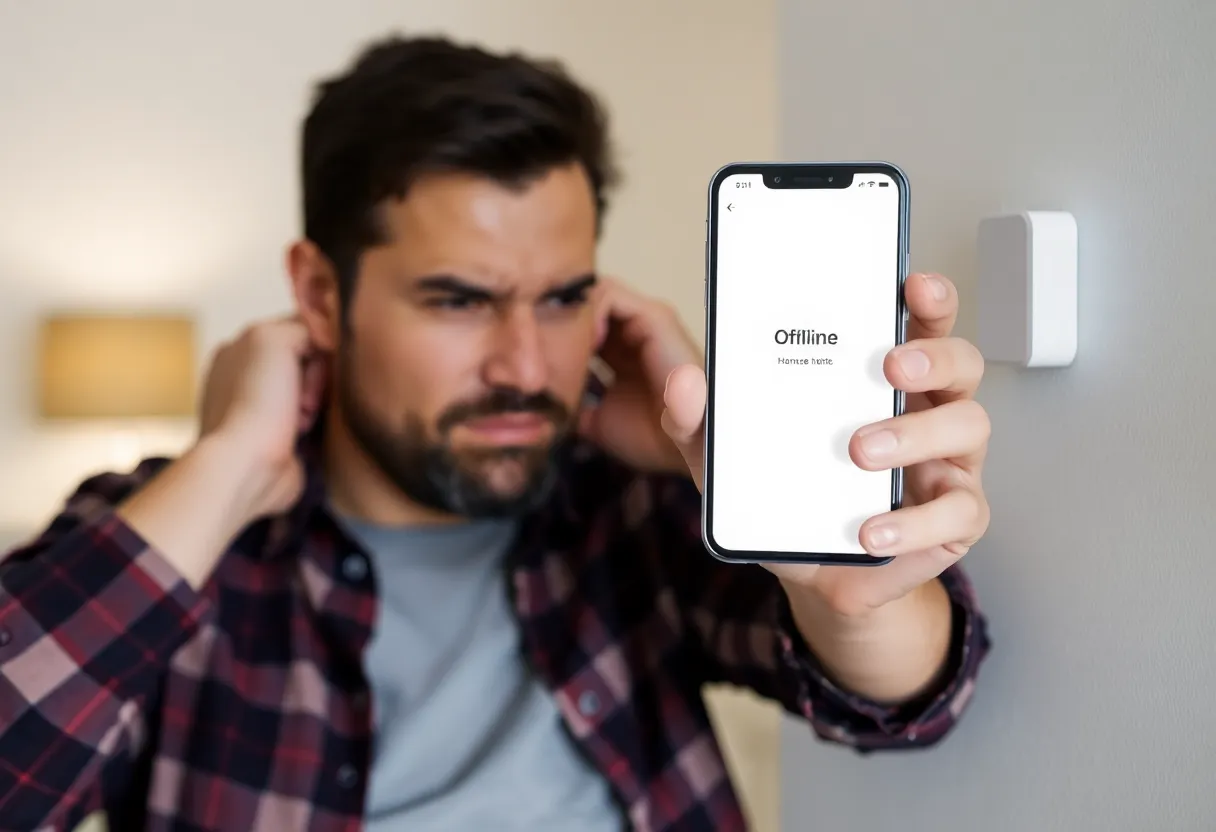
The smart home ecosystem is fragmented across multiple wireless protocols — Zigbee, Z-Wave, Wi-Fi, Bluetooth, Thread — and multiple voice assistant platforms (Google Home, Amazon Alexa, Apple HomeKit, Samsung SmartThings), none of which fully interoperate. A home built with a mix of devices from different manufacturers and protocols requires either a hub that speaks multiple protocols (Home Assistant, Hubitat, SmartThings) or accepting that different devices live in different ecosystems with no integration between them.
Matter, the new cross-platform standard backed by Apple, Google, Amazon, and the Connectivity Standards Alliance, was designed specifically to address this fragmentation. Matter devices use a common protocol and can be added to any Matter controller regardless of brand — a Matter bulb should work with Apple HomeKit, Google Home, and Amazon Alexa without brand-specific configuration. The early implementation of Matter has shown promise but also exposed limitations: Matter device commissioning is more reliable than pre-Matter pairing, but the inter-ecosystem feature support is still incomplete, and the “works with everything” promise is more complex in practice than in marketing.
The practical consequence of fragmentation for maintenance is that adding a new device requires understanding which ecosystem it belongs to, whether it’s compatible with your existing hub or assistant, and what the actual feature support looks like versus the theoretical compatibility. “Works with Alexa” means the device can be added to Alexa — it doesn’t mean all of the device’s features are available through Alexa. Partial compatibility is a persistent source of confusion and troubleshooting.
The Reliability Expectation Gap
Traditional home systems — light switches, thermostats, door locks — are expected to work every time, immediately, without an internet connection, without a phone, and for decades with no maintenance. The baseline reliability expectation is very high because these are safety and comfort functions that affect daily life directly. Smart home devices are frequently compared to this baseline by the people who use them, and the gap is often unfavorable.
A smart lock that works 99% of the time but occasionally doesn’t respond when you’re standing at your door with groceries is worse than a mechanical lock that works 100% of the time. A light switch that requires an app to operate correctly is worse than a switch that operates correctly when you flip it. The “smart” functionality adds value only when it works reliably enough that it doesn’t create anxiety about whether it will work. Many households find that smart home devices in critical-path functions (locks, garage doors, lighting in primary rooms) require a level of reliability that current technology doesn’t reliably deliver.
The Approaches That Reduce Maintenance
The homeowners with the lowest smart home maintenance burden tend to have made deliberate choices that trade breadth for reliability. Local-first systems — primarily Home Assistant running on a Raspberry Pi, NUC, or dedicated appliance — process automations and device control on-premises rather than through manufacturer cloud services. When the internet is down or a manufacturer’s service has an outage, locally controlled devices continue working. Zigbee and Z-Wave devices on a local hub don’t depend on any cloud service and continue operating regardless of what the manufacturer does with their app or cloud platform.
Choosing devices with a track record of reliability and good local API support matters. Lutron’s Caséta lighting system has a reputation for exceptional reliability built on its proprietary RF protocol and a local bridge that doesn’t require cloud for basic operation. Philips Hue’s bridge operates locally for on-network control. These choices cost more than the cheapest Wi-Fi smart plugs but deliver substantially better long-term reliability.
Limiting smart home investment to use cases where the “smart” functionality adds clear value over the dumb alternative — and being honest about which functions are critical-path reliability requirements — also reduces maintenance. A smart thermostat that provides scheduling and remote control genuinely adds value over a mechanical thermostat. Smart bathroom lighting on a motion sensor is convenient. A smart lock on the primary entry door that occasionally doesn’t respond is a maintenance burden that frequently outweighs the convenience of remote unlock. The constraint “only make it smart if the failure mode is acceptable” produces more maintainable smart homes than the enthusiasm for adding “smart” functionality to every possible device.