Why Micro-Mobility Insurance Is Becoming the Industry’s Next Fight

Ola Mensah
July 9, 2026
For most of the last decade, the fight over shared e-scooters and e-bikes played out in city council chambers: sidewalk clutter, parking rules, speed caps, permit caps per operator. That fight isn’t over, but a quieter and arguably more consequential one has been building behind it, and it’s about who pays when someone gets hurt. Insurance has become the constraint that’s now shaping which micro-mobility operators survive, which cities keep programs running, and how riders experience the product — and almost none of it is visible until you look at the loss ratios operators don’t like to publish.
I’ve spent a decade working as a transport planner focused on urban mobility policy, and I’ve watched insurance shift from a background cost line to the single biggest threat to shared micro-mobility’s business model. It’s worth understanding why, because the resolution — whatever it ends up being — will determine what shared scooters and bikes actually look like in cities five years from now.
Why This Became a Crisis Rather Than a Cost
Shared micro-mobility operators — Lime, Bird (before its 2023 bankruptcy and 2024 relaunch under new ownership), Voi, Tier, and a shrinking list of others — built their original business models around ride revenue covering fleet costs, operations, and a manageable insurance line. That math worked when injury claims were relatively rare and modest. It stopped working as claim frequency and, more importantly, claim severity climbed: serious head injuries, fractures, and a growing number of high-value lawsuits involving permanent injury or wrongful death have pushed average claim payouts up sharply, and insurers pricing general liability and product liability coverage for these fleets have responded by raising premiums, tightening coverage terms, or in a number of cases, simply declining to write new policies in the category at all.
The result, reported extensively in industry trade press over the past three years, has been a shrinking pool of insurers willing to underwrite shared micro-mobility risk, which functions exactly like reduced competition in any market: the remaining insurers can charge more, and operators have far less leverage to negotiate. Some operators have reported insurance costs rising to become one of their largest line items after vehicle depreciation and charging/operations labor — a dramatic shift from an expense that used to be a rounding error relative to ride revenue.
Where the Actual Injuries Are Coming From
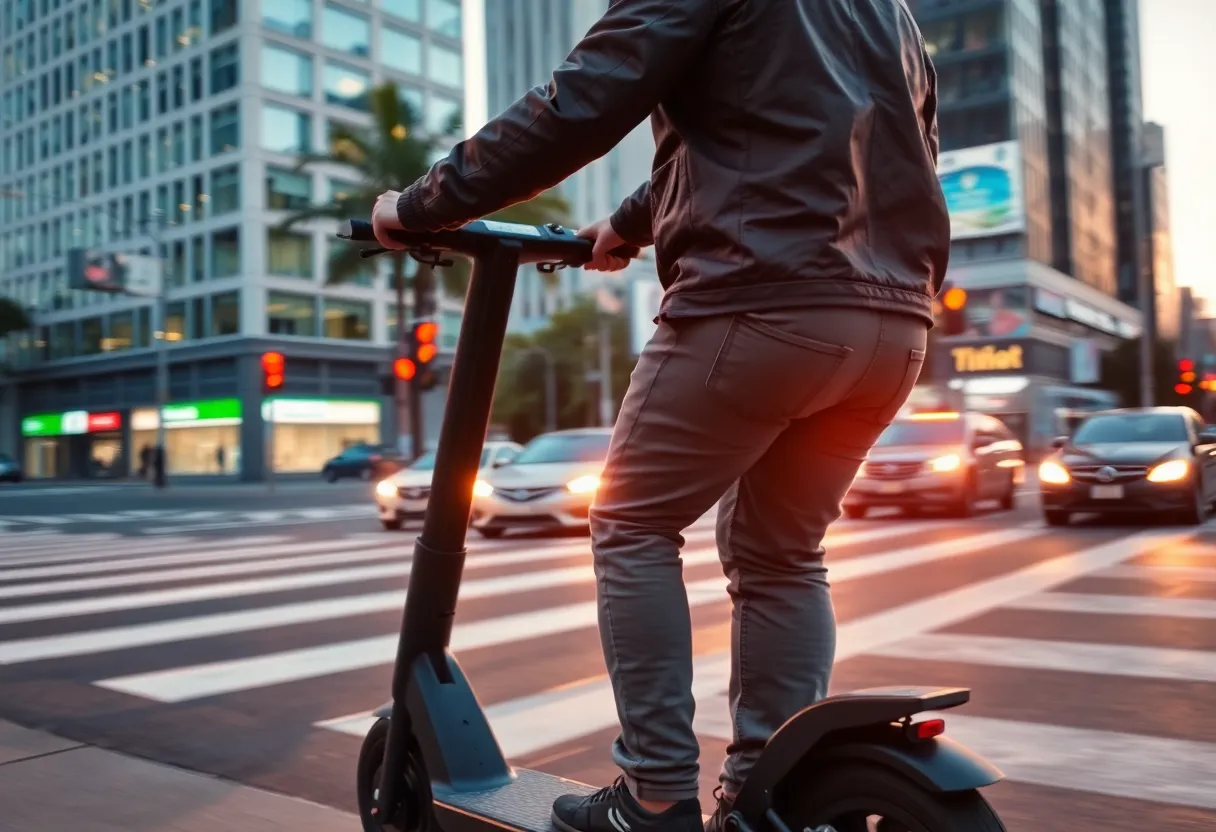
Understanding the insurance crunch requires understanding what’s actually driving claims. Consumer Product Safety Commission data and multiple hospital-system studies (including a widely cited UCSF/Kaiser analysis of emergency department visits) point to a consistent pattern: head injuries dominate serious claims, disproportionately affecting riders without helmets, which describes the overwhelming majority of shared scooter and bike trips since almost no rental program provides or mandates one. Falls from hitting potholes, debris, or uneven pavement — infrastructure problems the rider has no control over — account for a large share of single-vehicle incidents, distinct from collision claims involving cars or pedestrians.
Collisions with pedestrians, while statistically less frequent than single-rider falls, tend to produce the largest and most litigated claims, particularly in dense urban cores where scooter riders and pedestrians share limited sidewalk and crosswalk space. Multiple cities have faced or settled lawsuits from pedestrians struck by scooter riders, and a recurring legal question in these cases — whether the operator, the rider, the city that permitted the program, or some combination bears liability — remains genuinely unsettled in many jurisdictions, which itself drives up legal costs and claim uncertainty for insurers pricing the risk.
How Operators Are Actually Responding
Facing rising premiums and a shrinking insurer pool, operators have converged on a few strategies, with mixed success. Self-insurance and captive insurance arrangements — where a company effectively insures itself through a dedicated subsidiary rather than buying commercial coverage — have become more common among the larger, better-capitalized operators, spreading risk across a bigger balance sheet but requiring substantial reserve capital that smaller operators simply don’t have. Some operators have pushed harder on liability waivers embedded in rental app terms of service, though the enforceability of these waivers varies significantly by jurisdiction and has been challenged successfully in several notable cases, particularly where a third party (a pedestrian, not the rider who agreed to the waiver) was injured.
A newer trend is per-ride or subscription-based supplemental insurance offered directly to riders at the point of rental — essentially transferring some of the financial risk exposure from the operator’s balance sheet to an optional add-on the rider can purchase, similar to how rental car companies sell collision coverage at the counter. Whether this meaningfully changes the operator’s underlying liability exposure (as opposed to just the rider’s personal financial exposure) depends heavily on the specific policy structure and the jurisdiction’s liability framework, and it’s still early enough that its actual effect on operator loss ratios isn’t well established in public data.
The City Side of This Fight
Cities have their own version of the insurance problem, and it’s becoming a real constraint on program design. Municipalities that permit shared micro-mobility operators typically require proof of substantial general liability coverage — often in the range of $1 million to $5 million per occurrence — as a condition of the operating permit, both to protect the city from liability spillover and to ensure injured parties have a realistic path to compensation. As insurance costs have risen, some smaller cities have reported difficulty attracting operators willing to meet these requirements at the program’s projected revenue scale, particularly in mid-sized markets where ridership doesn’t generate enough volume to absorb the fixed insurance cost efficiently.
A handful of cities have experimented with alternative structures, including city-run or city-contracted insurance pools that spread risk across multiple permitted operators rather than requiring each one to secure standalone coverage — an approach with some precedent in how cities handle other permitted commercial activities with shared risk profiles, like food trucks or event vendors, though it remains uncommon in the micro-mobility space specifically and hasn’t yet produced enough of a track record to know if it meaningfully changes outcomes.
What Would Actually Reduce Claims, Not Just Reshuffle Who Pays
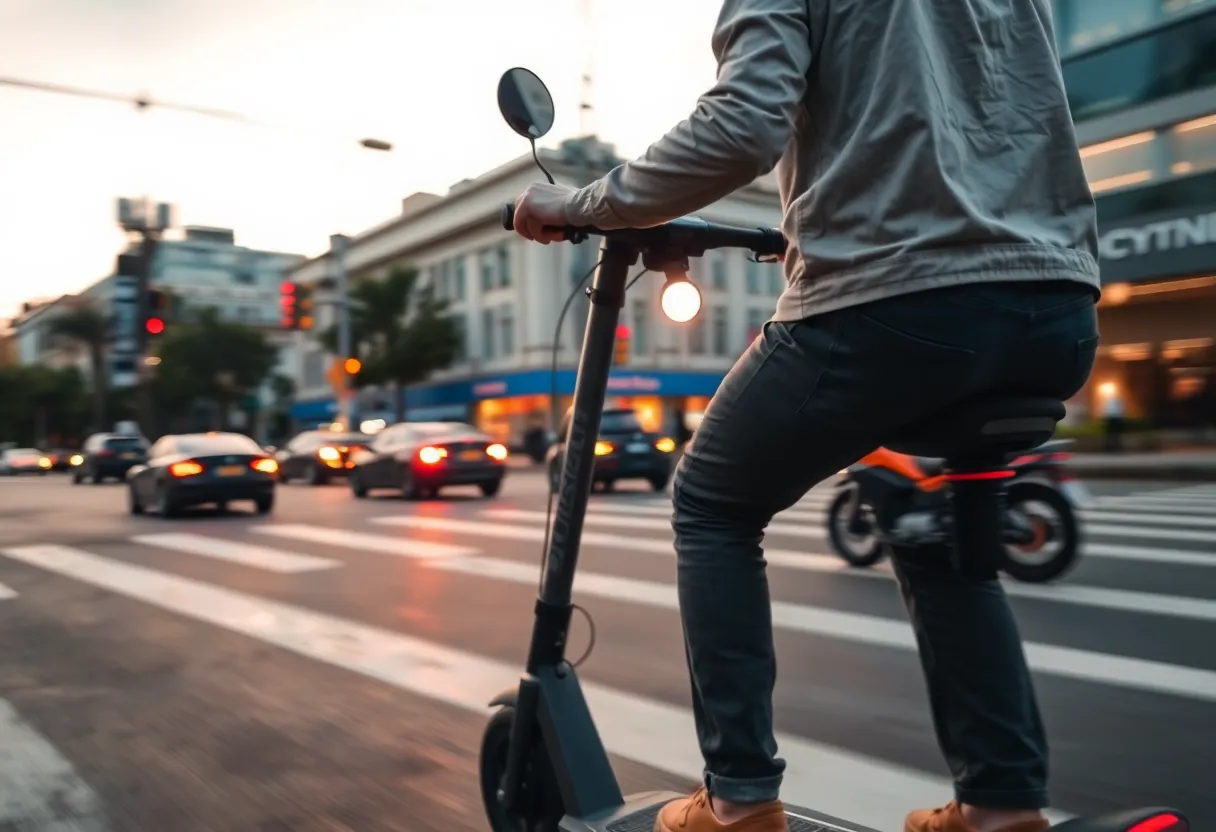
The insurance crunch has, somewhat usefully, forced sharper attention on the interventions that actually reduce injury rates rather than just redistribute financial exposure after the fact. Speed-limiting geofencing in high-pedestrian-density zones — technology most major operators have deployed to some degree — has shown measurable reductions in collision severity in city-reported data, even though enforcement and coverage completeness vary by market. Dedicated, protected bike-and-scooter lane infrastructure remains, by a wide margin, the single most effective intervention supported by transportation safety research, because it removes the mixed-traffic conflict that drives the most severe collision types, but building that infrastructure is a capital-intensive, multi-year city investment that doesn’t move at the pace insurance markets are repricing risk.
Helmet provision and incentive programs — some operators have experimented with helmet vending or delivery partnerships — have had limited measurable uptake, largely because the friction of actually retrieving and wearing a helmet for a five-minute rental trip discourages use even among riders who’d otherwise comply, a behavioral pattern well documented in bike-share helmet studies going back over a decade.
Where This Settles
The realistic trajectory over the next few years looks like continued consolidation: fewer, larger, better-capitalized operators able to absorb or self-insure against rising liability costs, a smaller number of insurers specializing in this risk category with correspondingly better underwriting data and more accurate (if still expensive) pricing, and a widening gap between mid-sized and large cities in terms of which markets remain commercially viable for operators to serve profitably given the insurance floor. Some smaller markets may simply lose shared micro-mobility service entirely if the insurance-adjusted unit economics never close, regardless of local demand or political support for the programs.
That’s a less optimistic outcome than the “insurance will just get cheaper as the industry matures” narrative some operators have pitched investors, and the loss data so far doesn’t clearly support that optimism. Insurance isn’t a solvable engineering problem the way battery range or unlock reliability were for this industry — it’s a direct, ongoing reflection of how much actual physical risk shared micro-mobility carries in mixed-traffic urban environments, and that risk isn’t shrinking nearly as fast as the industry needs it to for the original venture-backed growth model to make sense again.