The Hidden Maintenance Cost of Running a Home Weather Station Network

Freya Solberg
July 9, 2026
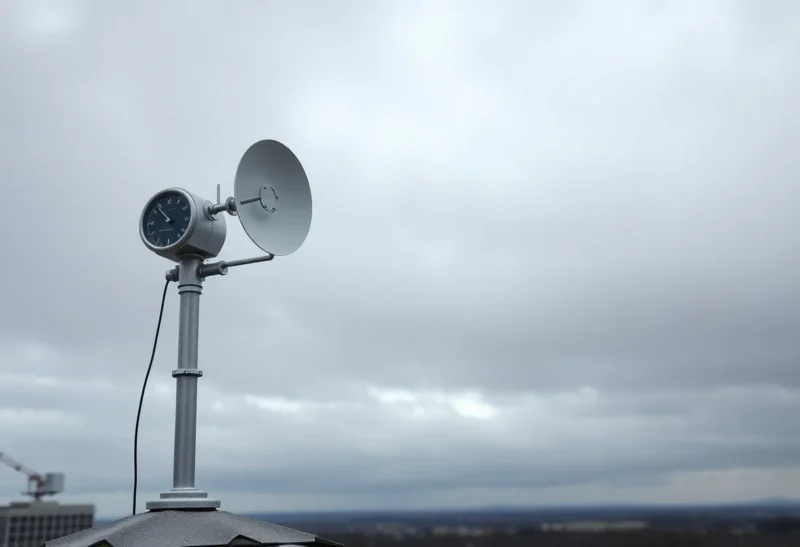
A home weather station is one of those purchases that feels finished the moment it’s mounted. You bolt the sensor array to a pole, pair it with an app, watch live wind speed and rainfall numbers populate a dashboard, and feel a small sense of ownership over data that used to belong exclusively to the nearest airport’s official station, miles away and not actually representative of your yard. Then, eight months in, the humidity readings start drifting fifteen percentage points off from every other station in the neighborhood, and you realize nobody mentioned what happens after installation day.
That gap between the marketing photo and the long-term reality is what this piece is actually about. Personal weather stations (PWS) have gotten cheap and genuinely capable — sub-$200 units now rival equipment that cost thousands a decade ago — but the ongoing cost of keeping one accurate is almost never discussed at the point of sale, and it’s a real cost: time, occasional parts, and a willingness to distrust your own dashboard until you’ve verified it.
Why Accuracy Degrades Even Without Anything “Breaking”
Weather sensors fail slowly and quietly, which is worse than failing all at once. A temperature sensor doesn’t usually stop working; it drifts, often because of a phenomenon called radiative error. Sensors need a radiation shield — the white, louvered housing around the temperature probe — to block direct and reflected sunlight from heating the sensor beyond actual air temperature. Cheap shields, or shields with degraded ventilation from dust and pollen buildup, let solar heating creep in, and the station starts reporting temperatures a few degrees too high on sunny, low-wind afternoons. You won’t notice this from a single reading. You’ll only notice it by comparing months of your data against a nearby reference station and watching the daytime highs consistently run hot.
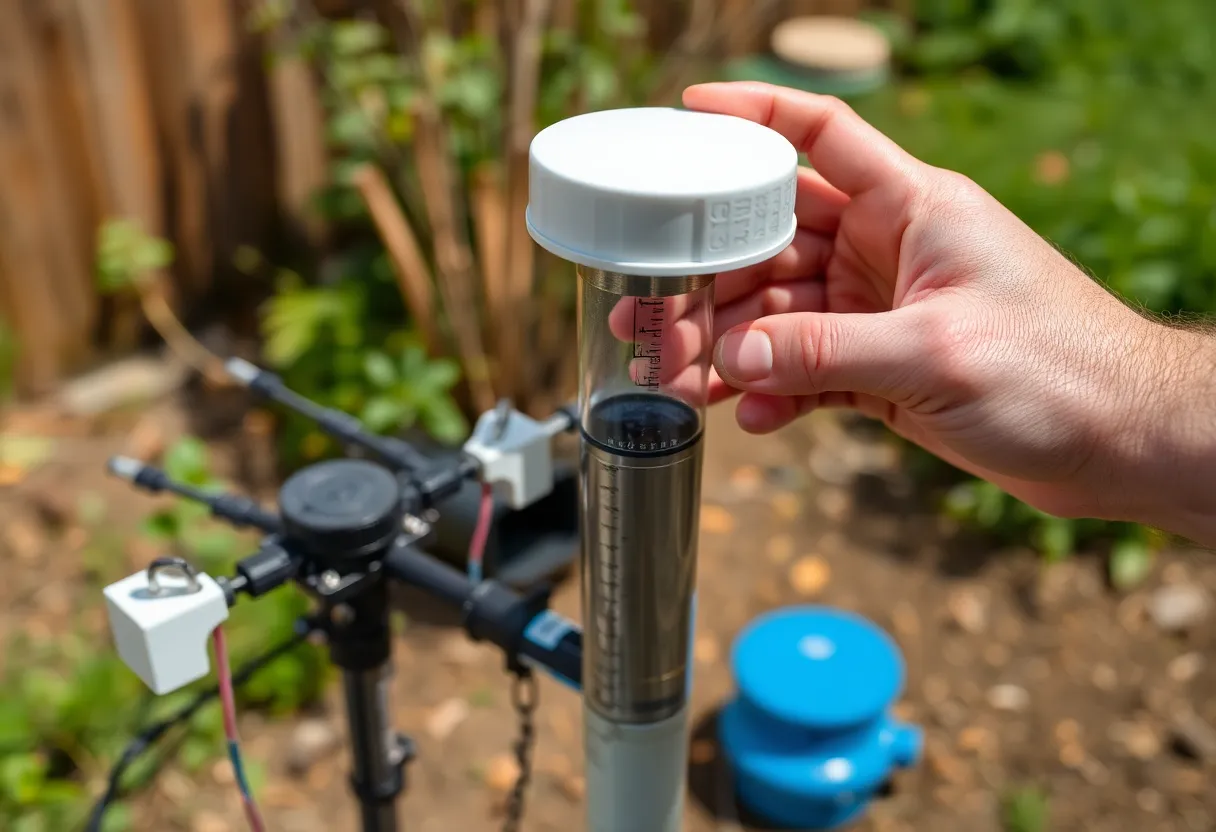
Rain gauges suffer a more literal version of the same problem: tipping-bucket mechanisms and funnel-based gauges both depend on unobstructed water flow, and anything that partially clogs the funnel — leaves, seed husks, spider webs, mineral buildup from hard water evaporating and leaving residue — reduces measured rainfall without giving any error indication. A gauge that’s 20% blocked doesn’t report an error; it just quietly under-reports every storm, and you’d have no way to know unless you occasionally pour a measured amount of water through it to check calibration.
Anemometers and wind vanes have moving parts exposed to weather constantly, which means bearing wear is inevitable. A wind cup assembly with slightly worn bearings under-reports light wind and increasingly lags on gusts, producing data that looks plausible — never wildly wrong, just steadily less precise — until the day the bearing seizes completely and wind speed reports flatline at zero during an obvious windstorm.
The Maintenance Schedule Nobody Puts on the Box
Talk to people who’ve run PWS units for several years — homesteading forums, ham radio and citizen-science communities, and the maintainers of aggregation networks like Weather Underground’s PWS network or NOAA’s CoCoRaHS program — and a rough maintenance rhythm emerges that manufacturers rarely spell out:
- Quarterly: Clean the rain gauge funnel and any insect screens; check the radiation shield’s louvers for dust, pollen, and spider webs; visually inspect wind vane and anemometer cups for physical damage or debris.
- Twice yearly: Recalibrate or at minimum cross-check temperature and humidity against a known-good reference instrument, ideally one that’s independently calibrated. Many enthusiasts keep a simple aspirated psychrometer or a certified reference thermometer specifically for this.
- Annually: Replace station batteries even if they’re not yet dead — voltage sag under cold conditions is a common cause of intermittent transmission dropouts, and by the time a battery visibly fails you’ve often already lost weeks of data to erratic readings.
- Every 2–4 years, depending on climate: Expect to replace the anemometer/wind vane assembly or the entire outdoor sensor unit, since UV exposure degrades plastic housings and seals faster than most buyers expect, especially in high-UV or coastal salt-air climates.
None of this is difficult work individually. The issue is that it’s invisible work — nothing on the app tells you it’s overdue, so it only happens if the owner builds the habit unprompted, and most don’t.
Why This Matters Beyond Personal Curiosity
It would be easy to treat inaccurate home weather data as a low-stakes hobby problem, but PWS networks have quietly become meaningful inputs to real forecasting and climate infrastructure. Networks like Weather Underground, PurpleAir (for air quality), and various NOAA-affiliated citizen science programs aggregate thousands of privately owned stations to fill gaps between official monitoring sites, especially in microclimates — urban heat islands, valley cold pockets, coastal transition zones — that official station networks are too sparse to capture well.
A single poorly maintained station contributing drifted, over-reported temperatures into that aggregate doesn’t sound like much, but multiply it by the fraction of the network that’s neglected in the same predictable ways — radiation shields fouled by pollen in spring, rain gauges clogged in autumn leaf-drop season — and you get systematic, seasonally correlated bias that’s harder for downstream algorithms to filter out than random noise would be. Researchers who study PWS network quality control have specifically flagged unmaintained radiation shields as one of the most common, most persistent sources of warm bias in aggregated citizen weather data.
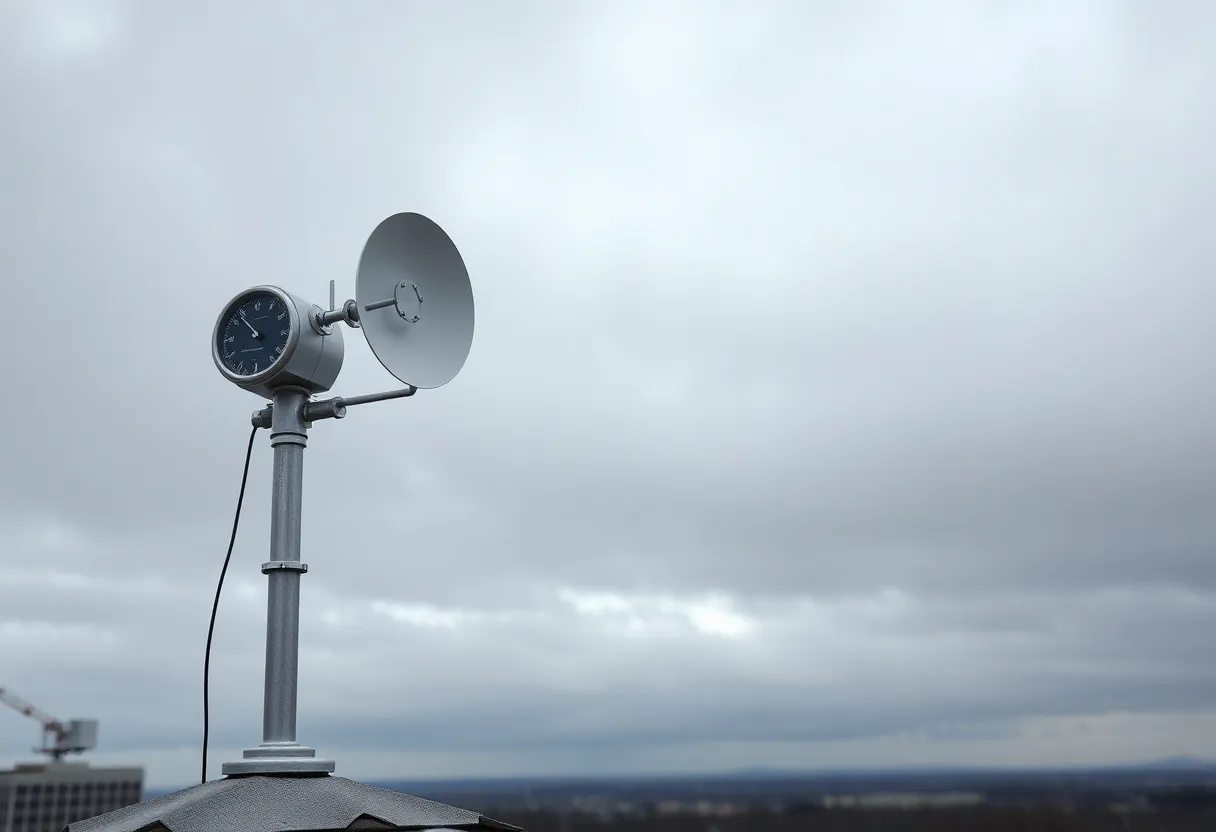
That’s not a reason to distrust citizen weather networks broadly — the aggregation methods used by serious platforms already apply statistical filtering specifically to catch outlier stations. It is a reason for individual station owners to take maintenance more seriously than the plug-and-forget marketing implies, both for their own dashboard’s accuracy and for the aggregate they’re quietly contributing to.
What Actually Extends a Station’s Useful Life
A few habits separate stations that stay accurate for years from ones that quietly drift into uselessness within twelve months. Mounting location matters more than most buyers initially plan for — a station mounted too close to a roofline, wall, or dark pavement will read hot regardless of sensor quality, because it’s measuring reflected and radiated heat from the structure, not ambient air. The standard recommendation, borrowed from official meteorological siting guidelines, is roughly 1.5 meters above ground over grass or a natural surface, away from heat-radiating structures and direct exhaust vents — a standard almost no residential installation actually meets, because most yards don’t have a convenient pole in the middle of an open lawn.
Buying a station with a passively or actively ventilated (fan-aspirated) radiation shield costs more upfront but dramatically reduces the solar heating error that’s the single biggest source of long-term temperature drift. And keeping a simple paper log — even just a phone note with dates — of when you last cleaned the rain gauge or checked the anemometer turns invisible maintenance into a habit instead of a hope.
None of this makes home weather stations a bad purchase. It makes them a genuinely useful instrument that, like any instrument, degrades without upkeep — closer to a car that needs periodic service than a gadget you set once and ignore. The data is only as good as the sensor generating it, and the sensor is only as good as the last time someone actually looked at it.