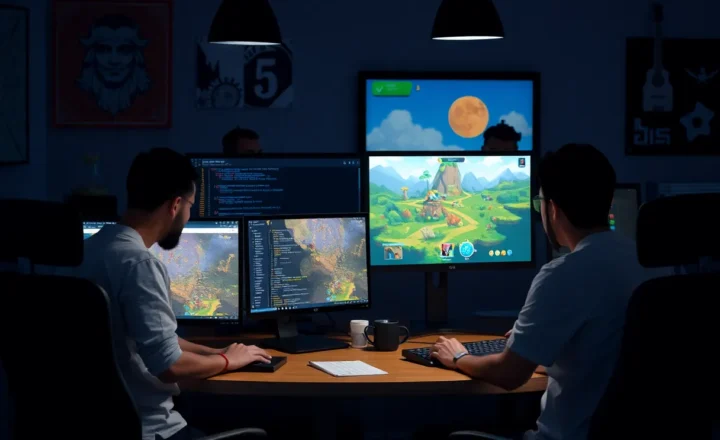
What Game Engines Don’t Tell You About Indie Development

Lake Park
March 15, 2026
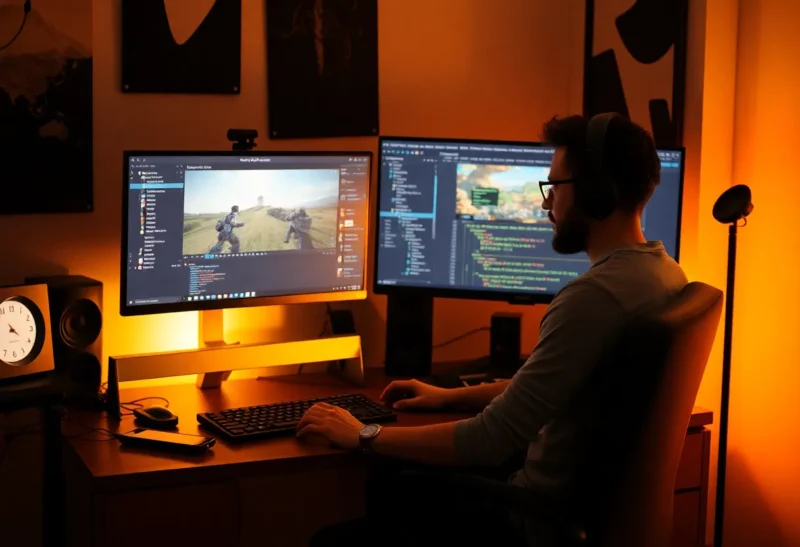
Modern game engines are incredible. Unity and Unreal give you rendering, physics, animation, and scripting out of the box. They promise to put triple-A tools in the hands of small teams. What they don’t tell you is that the engine is only part of the picture. Indie development is as much about scope, iteration speed, and knowing what to skip as it is about which engine you choose. The engine can help—or it can become a trap if you assume that having the tools means the rest will fall into place.
The Engine Is a Starting Point, Not a Shortcut
Engines handle a lot: rendering pipelines, asset management, cross-platform builds, and increasingly, AI-assisted content creation. For an indie, that’s valuable. You don’t have to build a renderer or a physics system from scratch. But the engine doesn’t decide your scope, your art direction, or your design. It doesn’t write your story, tune your mechanics, or market your game. Indie teams that succeed usually do so because they picked a scope that matched their capacity and stuck to it. The engine enabled that; it didn’t replace the need for discipline. Choosing Unreal for a two-person team because it’s “industry standard” can backfire if the engine’s complexity and iteration time don’t match your pace. Sometimes a simpler engine—or even a custom lightweight stack—lets you ship faster because you’re not fighting the tool.
Scope Creep Lives in the Feature List
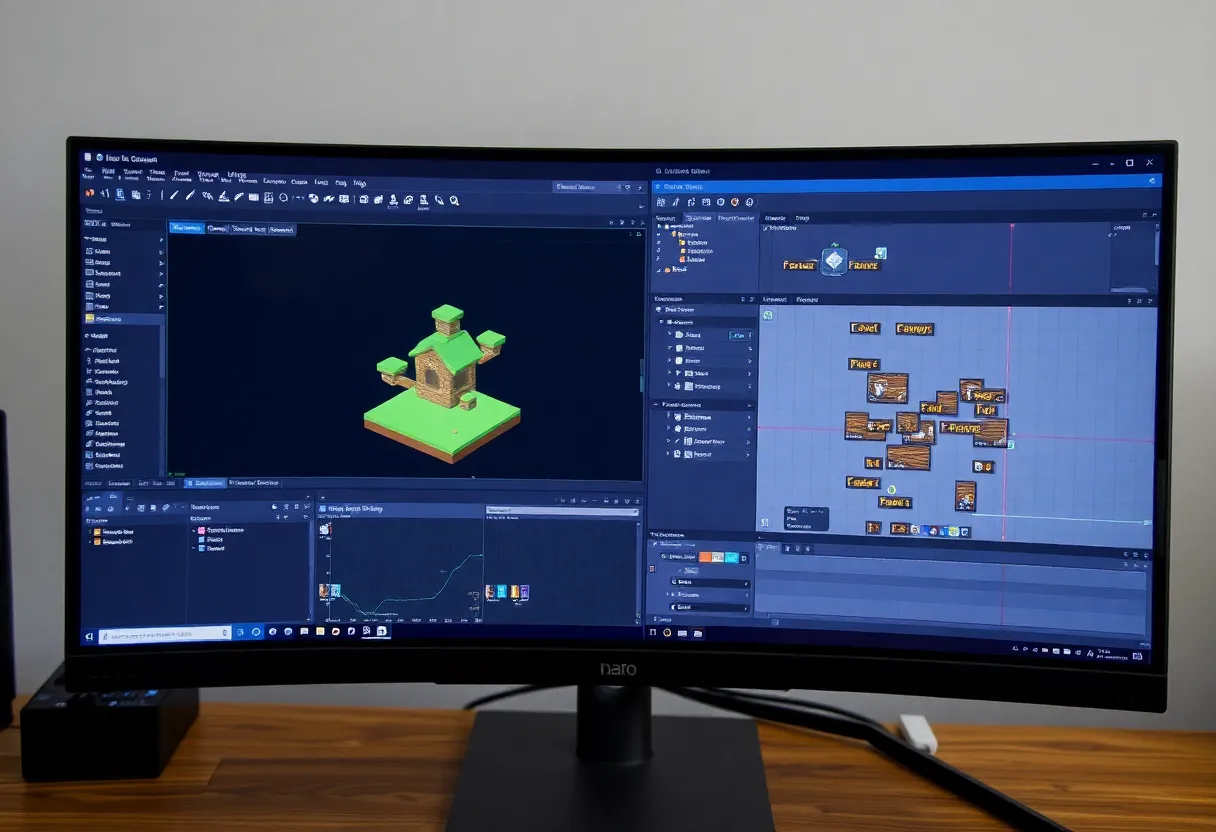
Engines advertise everything they can do: advanced lighting, cinematic tools, open worlds, multiplayer. It’s tempting to use it all. For an indie, that’s dangerous. Every feature you add has a cost in time, testing, and complexity. The engine might support it; that doesn’t mean your team can finish a game that uses it. The best indie projects often succeed by doing a few things well and cutting everything else. The engine doesn’t tell you what to cut. You have to decide—and often the right answer is to use a small fraction of what the engine offers. Knowing what not to use is as important as knowing how to use the tools.
Performance and Platform Reality
Engines are built to scale. They’re tuned for high-end PCs and consoles, with options to scale down for mobile or low-spec machines. But “options” means work. Indie teams often discover too late that their game runs fine on a dev machine and poorly on the hardware their audience actually has. Optimisation—LODs, draw calls, asset streaming, platform-specific builds—takes time. The engine gives you the levers; it doesn’t pull them for you. If you’re targeting Switch or older PCs or a wide range of devices, plan for performance from the start. The engine won’t save you if your art and design assume hardware that most players don’t have.
Learning Curve and Iteration Speed
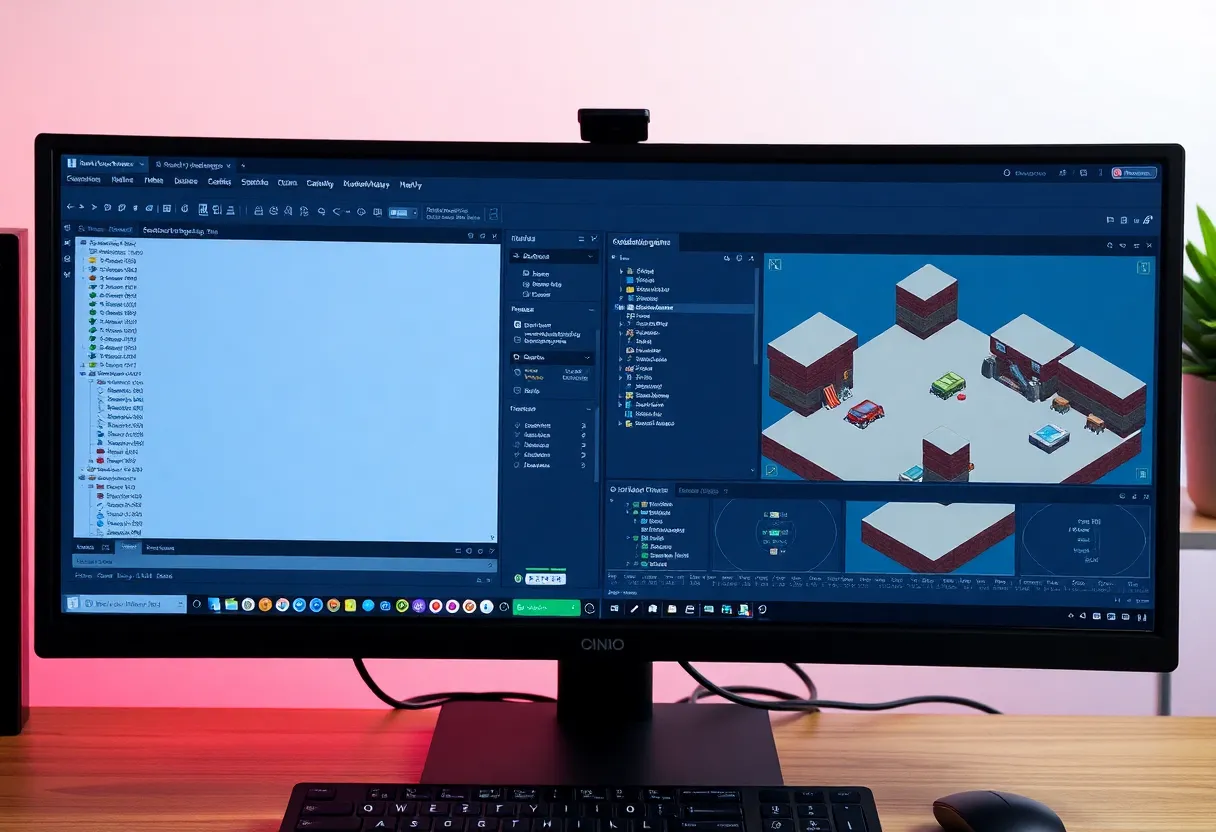
Every engine has a learning curve. For a solo dev or a tiny team, the time you spend learning the engine is time you’re not spending on design, art, or polish. Some engines are more approachable; others are powerful but dense. The “best” engine for your project isn’t necessarily the most capable—it’s the one that lets you iterate quickly on the things that matter for your game. If you’re making a 2D narrative game, you might not need a full 3D engine. If you’re making a small 3D game, you might not need the full weight of Unreal. Match the tool to the project, and be honest about how long it will take you to get productive. The engine docs don’t usually say “you’ll spend the first six months learning this.”
What the Docs Leave Out
Engine documentation covers APIs, workflows, and best practices. It rarely covers the reality of shipping: the months of bug-hunting, the platform-specific quirks, the way your carefully designed systems interact in ways the tutorials didn’t mention. Indie dev is full of “the engine can do it, but it’ll take you twice as long as you thought” moments. Building a small, polished game often means avoiding the flashy features and sticking to a narrow path that you know works. The engine doesn’t tell you which path that is. You learn it by shipping, by reading postmortems, and by talking to other indies who’ve been through it. Community knowledge fills the gap between what the manual says and what actually happens when you’re six months in and trying to hit your release date.
Licensing, Royalties, and Lock-In
Engines have business models. Some are free up to a revenue threshold; others take a cut. Some lock you into their ecosystem for assets, services, or publishing. For an indie, the choice of engine can have long-term financial and creative implications. If your game does well, royalty rates and revenue share matter. If you want to port to a platform the engine supports poorly, you might be stuck. The engine doesn’t tell you about the business side—you have to read the terms and think about where you’ll be in two or three years. Picking an engine is also picking a partner. Make sure the partnership fits your goals.
The Bottom Line
Game engines are powerful, but they don’t tell you the full story of indie development. Success depends on scope, discipline, performance planning, and matching the tool to the project. The engine is one decision among many. Choose one that fits your team size, your timeline, and your game—and remember that the best engine is the one that gets out of your way so you can ship.