Why Fusion Energy Timelines Keep Sliding (And What That Actually Means)

Jordan Lee
March 15, 2026
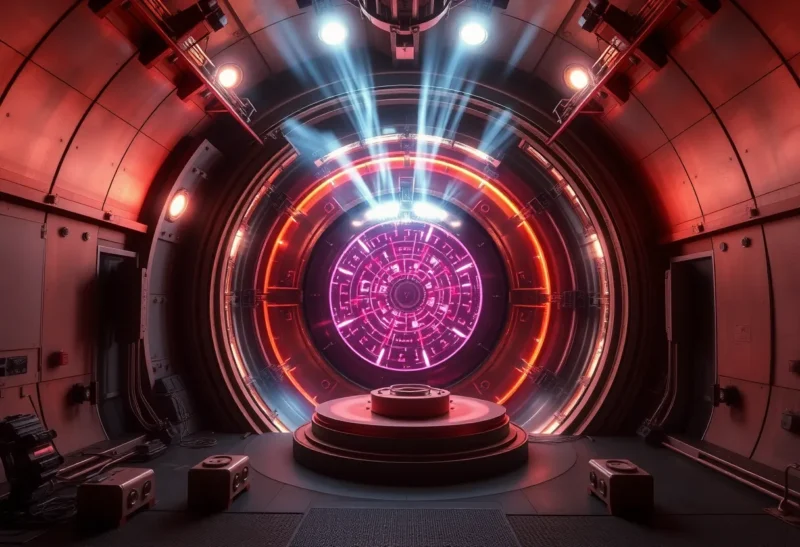
Fusion energy has been “30 years away” for decades. Every few years we get a breakthrough—a new record for plasma confinement, a net-energy gain in a lab, a startup with a novel design—and the timeline resets. Then it slips again. Understanding why fusion timelines keep sliding isn’t about cynicism. It’s about understanding the gap between scientific progress and the kind of engineering that can actually power a grid. The physics is hard. The engineering is harder. And the path from “we did it in a lab” to “we’re selling electricity” is longer than headlines suggest.
The Physics Is Real; the Engineering Is the Bottleneck
Fusion—smashing light nuclei together to release energy—works in principle. The sun does it. We’ve done it in tokamaks and lasers. The challenge isn’t proving that fusion can release more energy than we put in; we’ve crossed that threshold in experiments. The challenge is building a machine that does it reliably, at scale, and at a cost that makes sense. That means containing plasma at temperatures far hotter than the sun’s core, managing materials that get bombarded by neutrons, and turning the resulting heat into electricity through turbines and generators. Every step from “net energy in the lab” to “power on the grid” introduces new engineering problems. Those problems take time to solve, and they don’t always respect the timelines set by funding cycles or press releases.
So when a team announces a milestone—longer plasma burn, higher gain, a new magnet design—it’s real progress. But it’s progress along a path that has many more steps than the public narrative usually allows for. Building a pilot plant that runs for years, maintains plasma stability, and feeds power to the grid is a different project from achieving a few seconds of net gain in a research device. The slide in timelines isn’t usually because the science failed. It’s because the next phase of engineering turned out to be harder or slower than hoped.
Why “30 Years” Keeps Repeating
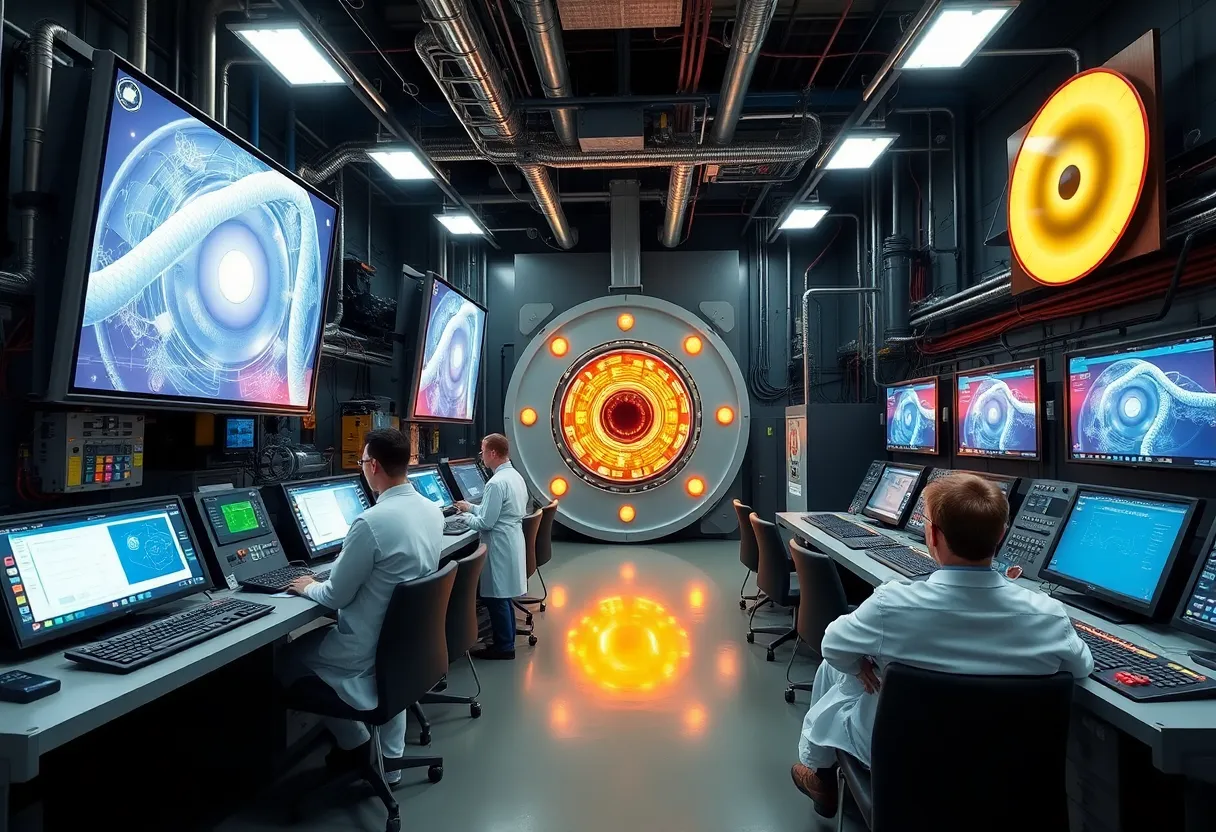
The “30 years away” trope persists because it’s a rough guess at the time from “today” to “commercial fusion.” Every time we get closer, we also learn more about what’s left to do. New challenges show up: material degradation, tritium supply, regulatory and safety frameworks, the sheer cost of building and iterating. So the horizon doesn’t necessarily get closer; it just gets better defined. That can look like a sliding timeline from the outside, but from the inside it’s the normal process of turning a research program into an energy technology. The fact that we keep finding new problems doesn’t mean fusion is a pipe dream. It means we’re doing the work.
What the Milestones Actually Tell Us
When you see a headline about a fusion “breakthrough,” it’s worth asking: what exactly was achieved? Net energy gain in a single shot? Sustained plasma for longer than before? A new magnet that can support a smaller reactor? Each of those is meaningful, but they’re not the same as “fusion power is here.” The path from lab to grid involves scaling up, building reliability, and integrating with the rest of the energy system. That path has its own timeline, and it’s often longer than the one implied by the breakthrough story. The milestones are real. They’re just not the last step.
Different Approaches, Same Timeline Problem
Fusion isn’t one technology. Tokamaks—donut-shaped machines that confine plasma with magnetic fields—have been the workhorse of government research for decades. Inertial confinement, using lasers to compress fuel, has also achieved net gain in labs. In recent years, startups have pushed alternative designs: smaller tokamaks, stellarators, or entirely different confinement schemes. Each approach has its own physics and engineering challenges. Progress in one doesn’t automatically shorten the path for another. So when you hear that “fusion is closer than ever,” it’s worth asking which approach and which milestone. The diversity of approaches is good for the field, but it also means that “fusion” as a whole doesn’t have a single timeline—and the one that gets the most press isn’t always the one that will commercialize first.
What “Success” Would Actually Look Like
Commercial fusion doesn’t mean a lab experiment. It means a power plant that runs reliably, connects to the grid, and sells electricity at a price people will pay. Getting there requires not just sustained fusion but materials that can survive years of neutron bombardment, tritium breeding and handling, safety and licensing, and financing on the scale of billions. Each of those is a multi-year problem. So the timeline from “we achieved net energy” to “we’re generating power for the grid” is measured in decades, not years. That’s why fusion has felt 30 years away for so long: we keep getting better at the physics, but the engineering and deployment path keeps revealing new distance to cover. Success is still possible—it’s just further out than the most optimistic headlines suggest.
Why It Still Matters
Fusion timelines sliding doesn’t mean we should stop investing or caring. Fusion could eventually provide dense, baseload power with minimal long-lived waste and no carbon emissions from the reaction itself. The physics is sound; the remaining work is engineering and economics. The sliding timeline is a reminder that energy transitions are slow and that we shouldn’t bet the climate on fusion arriving on a specific date. We need renewables, storage, and efficiency today. Fusion is a possible part of the long-term mix—if we keep working on it and if we’re honest about how long “long-term” might be.
The Bottom Line
Fusion energy timelines keep sliding because the journey from lab result to commercial power plant is long and full of unexpected engineering. The progress is real; the horizon is just farther than headlines suggest. That doesn’t make fusion a failure. It makes it a hard problem that we’re still solving. Understanding why timelines slide helps set realistic expectations—and reminds us to keep building the rest of the clean energy system while fusion research continues.