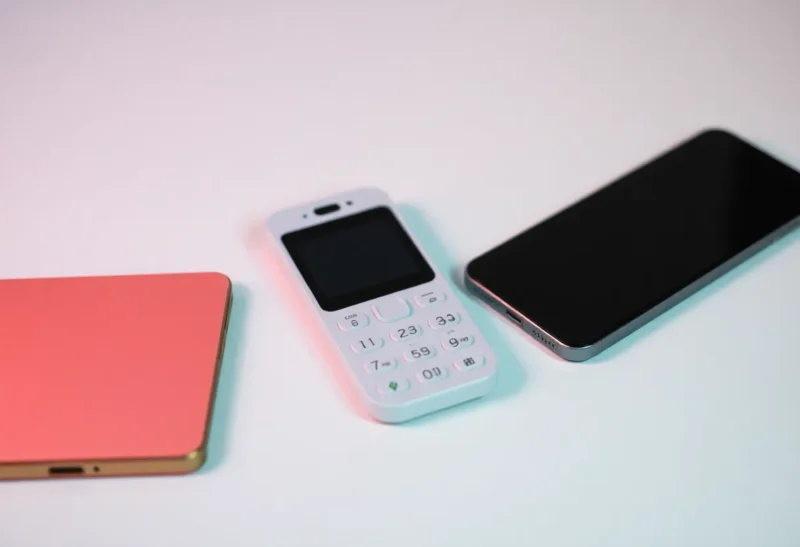
Your smartphone is your map, your camera, your bank, and your inbox. It’s also the thing that dies, gets lost, or gets stolen when you need it most. Keeping a cheap dumb phone—a basic flip or bar phone that does calls and texts and little else—in your bag or glove box isn’t paranoia. It’s a low-cost backup that can save you when the smart device fails or when you need to step off the grid without going off the radar.
When the Smartphone Fails
Batteries die at the worst times. You’re in an unfamiliar city, your smartphone hits 2% and won’t hold a charge, and you need to call a ride or reach someone. Or you drop it, crack the screen, and the touch layer stops working. Or it’s stolen. In any of those situations, a backup phone that can make a call and send an SMS is worth far more than its cost. A basic unlocked dumb phone can be had for well under fifty dollars. You don’t need a data plan for it—many can use the same SIM as your smartphone if you swap it, or you can keep a cheap prepaid SIM in it for emergencies. The point isn’t to replace your smartphone. It’s to have a fallback that works when the primary device doesn’t.
Dumb phones also last. They have small, low-resolution screens and minimal software, so battery life is measured in days or weeks, not hours. Leave one in a bag or a drawer for months and it’ll still have charge when you need it. They’re robust: no glass sandwich, fewer points of failure. For emergencies, travel, or situations where you don’t want to rely on a single device, that reliability is the whole point.
Intentional Disconnection Without Going Dark
Some people keep a dumb phone for a different reason: they want to be reachable without being reachable. You can give the number to family or close contacts for emergencies while leaving your smartphone at home or off. You’re not unreachable—you can still get a call or a text—but you’re not carrying the entire internet in your pocket. That can make a difference on a hike, a weekend trip, or when you’re trying to focus. The dumb phone doesn’t tempt you with notifications or apps. It does one job: voice and SMS. For boundary-setting without going fully off-grid, that’s enough.
Travel and Local SIMs
When you travel, a dumb phone can double as a local-phone solution. Buy a cheap prepaid SIM at your destination, pop it into the backup phone, and you have a local number for taxis, lodging, and emergencies without putting your main SIM at risk or draining your smartphone battery with roaming. If your smartphone is lost or stolen abroad, you still have a working phone and a way to contact your carrier or family. The dumb phone doesn’t need data or apps—just a network connection for voice and SMS. In many countries, prepaid SIMs are inexpensive and easy to find; a basic phone to slot them into makes the whole setup trivial.
What to Look For
You don’t need features. You need something that works on your carrier (or a carrier you’re willing to use for a backup SIM), has decent battery life, and is cheap enough that you won’t mind leaving it in a bag. Unlocked GSM phones work with most carriers; check band support if you’re in North America. A physical keypad is useful when the screen is small. Some modern “dumb” phones still offer 4G, hotspot, or even a simple browser—you can ignore those and use it only for calls and texts, or pick the most basic model you can find. The goal is simplicity and reliability, not capability. Charge it every few months if you don’t use it, and replace the SIM or battery as needed; otherwise, forget about it until you need it.
Who It’s For
Anyone who depends on a single smartphone for communication is one dead battery or one accident away from being unreachable. Parents who want a backup for kids or elderly relatives, travelers who’ve had a phone stolen or broken abroad, people who work in places where a smartphone is a liability—all of them can benefit from a dumb phone in the bag. So can anyone who occasionally wants to leave the smart device at home but still be available for urgent calls. The investment is small; the peace of mind is real. You might never need it. When you do, you’ll be glad it’s there.
The Bottom Line
Keeping a dumb phone in your bag is cheap insurance. When your smartphone dies, breaks, or gets lost, you have a way to call and text. When you want to be reachable without carrying the internet, the dumb phone does that job and nothing more. For the price of a dinner out, you get a backup that lasts for days on a charge and survives neglect. It’s one of the lowest-friction ways to add a bit of resilience to how you stay connected.