Why Concert Venue Acoustics Are Still More Art Than Science

Kai Brandt
July 9, 2026
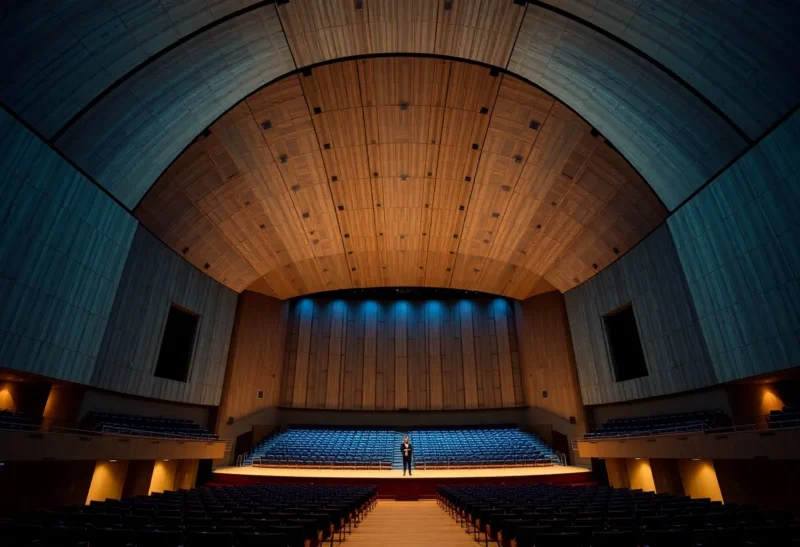
Acoustic engineering has access to sophisticated computer modeling software, decades of accumulated research on how sound behaves in enclosed spaces, and precise measurement tools capable of characterizing a room’s acoustic properties in exhaustive technical detail. Despite all of that, world-class concert halls still routinely require extensive physical adjustment, tuning, and sometimes years of post-construction refinement to actually sound the way their designers intended, and some acclaimed venues achieve their reputation through choices that don’t fully trace back to predictive modeling at all. That gap between acoustic science’s genuine technical sophistication and the persistent need for empirical, hands-on refinement explains why acoustic design remains a field where trained intuition and iterative real-world testing still carry as much weight as computational prediction.
What Acoustic Modeling Can Predict Reasonably Well
Modern room acoustics modeling software can simulate how sound reflects, reverberates, and absorbs across a proposed venue design with genuine sophistication, calculating metrics like reverberation time (how long sound persists after the source stops), early decay time, and spatial sound distribution across different seating areas, based on a room’s geometry and the acoustic properties of its planned materials. This modeling capability has meaningfully improved venue design compared to earlier eras when architects and acousticians worked primarily from simpler empirical rules of thumb and hand calculations, giving designers a genuinely useful predictive tool for evaluating a proposed design’s likely acoustic behavior before construction begins.
These models work reasonably well for predicting bulk, averaged acoustic properties like overall reverberation time across a room’s general geometry and material palette. Where the predictive power breaks down more is in accurately modeling the finer-grained, spatially specific acoustic behavior that determines how a hall actually sounds to a listener in a specific seat, compared to a listener in a different seat just a few rows away — the kind of detail-level variation that ultimately shapes a hall’s actual perceived acoustic quality far more than an averaged reverberation time figure alone can capture.
Why the Human Ear’s Subjective Response Resists Full Quantification
A substantial part of why acoustic design still relies heavily on human listening evaluation, not just measured technical metrics, is that many of the qualities listeners and musicians describe as making a hall sound genuinely excellent — warmth, clarity, spaciousness, a sense of being enveloped by the sound rather than simply hearing it — don’t map cleanly onto single, well-defined objective measurements the way reverberation time does.
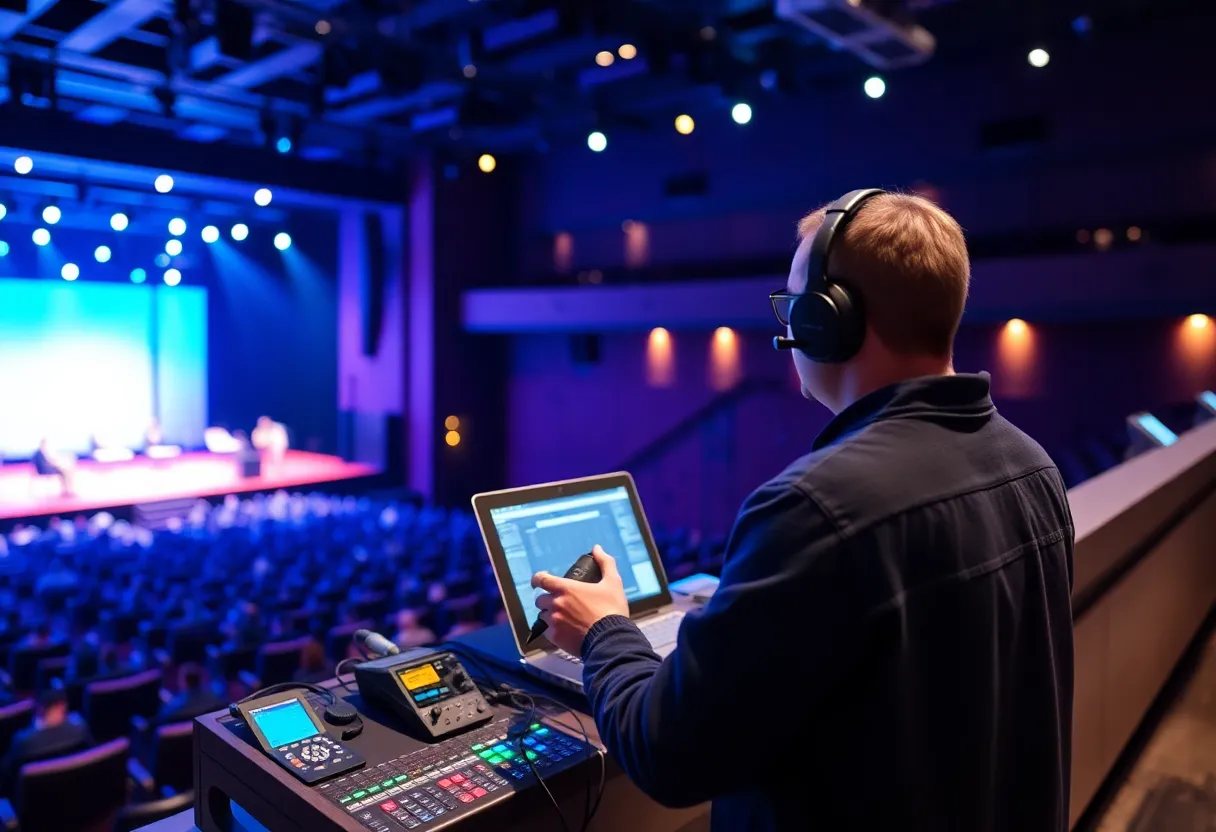
Acoustic researchers have made genuine progress correlating some of these subjective qualities with specific measurable parameters — early reflection timing and direction correlating with perceived spaciousness, for instance — but the correlation isn’t perfect or fully predictive, and different listeners, and even the same listener on different occasions, can respond somewhat differently to acoustically similar conditions in ways that current objective measurement frameworks don’t fully capture or explain. This is part of why acoustic consultants for major concert hall projects still conduct extensive listening tests, often using scale physical models with tiny microphones and speakers, or full-scale test setups in the actual space once construction reaches a suitable stage, rather than relying purely on computational modeling output to finalize acoustic design decisions.
Why Even Celebrated Halls Often Need Post-Construction Tuning
Some of the most acoustically celebrated concert halls in the world underwent significant post-opening acoustic adjustment specifically because initial construction, despite extensive pre-construction modeling and design work, didn’t fully achieve the intended acoustic result on the first attempt. Boston’s Symphony Hall and other renowned venues have documented histories of acoustic refinement work — adjusting ceiling elements, adding or modifying reflective and absorptive surfaces, and in some cases making structural modifications — specifically because the actual built acoustic result differed meaningfully enough from prediction to warrant hands-on correction once real musicians and real audiences could evaluate the space directly.
This pattern of post-construction tuning isn’t a sign of design failure so much as a reflection of the field’s practical reality: even highly experienced acoustic consultants working with sophisticated modeling tools can’t fully predict every acoustic nuance of a genuinely novel, large, geometrically complex space before it’s actually built and filled with the specific combination of materials, furnishings, and eventually live audiences that affect real acoustic behavior in ways that are difficult to fully simulate in advance with complete confidence.
The Role of Adjustable Acoustic Elements in Modern Design
Recognizing this persistent gap between prediction and built reality, many modern concert hall and multi-use performance venue designs now deliberately incorporate adjustable acoustic elements — movable reflective panels, retractable curtains or banners that add absorption when needed, adjustable orchestra shells, and in some advanced venues, electronic acoustic enhancement systems that use microphones and speakers to subtly adjust perceived reverberation characteristics.
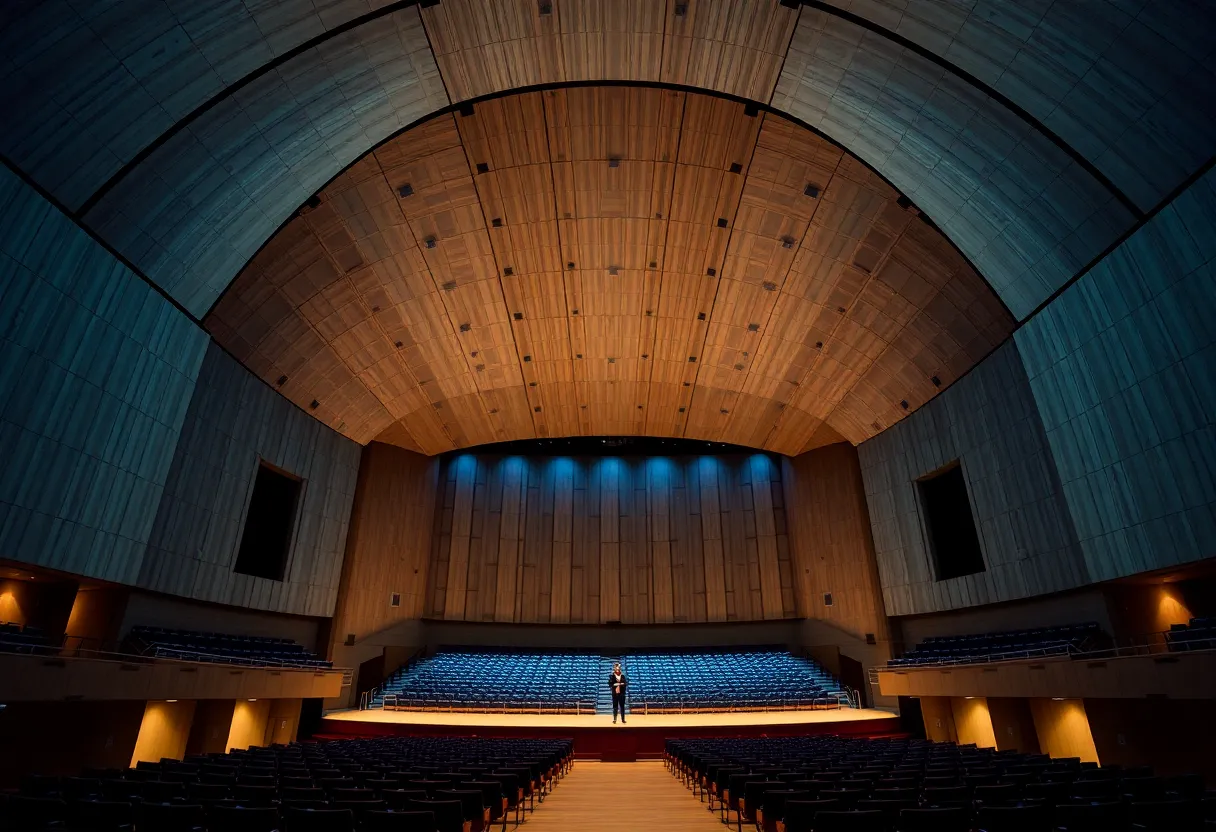
This adjustability represents a pragmatic design philosophy acknowledging the field’s genuine predictive limitations directly, building in physical flexibility to fine-tune a space’s acoustic behavior after construction and even to adapt the same venue’s acoustic character for different use cases (a space optimized for amplified rock concerts needs different acoustic characteristics than the same space hosting an unamplified classical performance), rather than betting entirely on getting a fixed, unadjustable acoustic design exactly right through prediction alone.
Why This Combination of Science and Craft Persists
Acoustic design’s continued reliance on experienced human judgment, iterative physical testing, and post-construction refinement alongside genuinely sophisticated computational modeling reflects an honest, mature understanding within the field of where current predictive science’s limits actually are, rather than a sign that the underlying acoustic science itself is immature or unreliable. The most respected acoustic consultants generally describe their own practice as combining rigorous technical measurement and modeling with accumulated experiential judgment about how design choices tend to translate into real, perceived acoustic quality — treating the science as an essential, powerful tool for narrowing design possibilities and avoiding clear technical mistakes, while still recognizing that getting a genuinely exceptional-sounding space right, especially for large or architecturally ambitious venues, still requires the kind of hands-on, iterative craft judgment that pure computational prediction hasn’t yet fully replaced.