What Makes Retrofitting Historic Theaters for Modern Sound Systems So Tricky

Kai Brandt
July 9, 2026
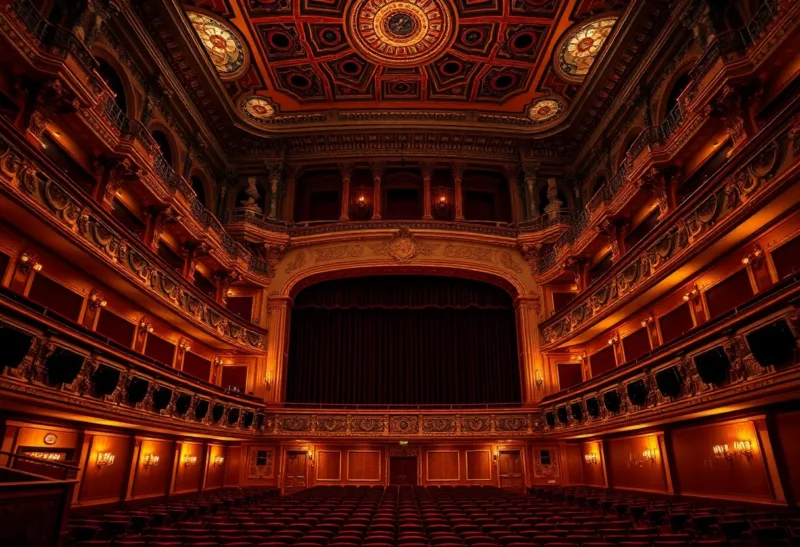
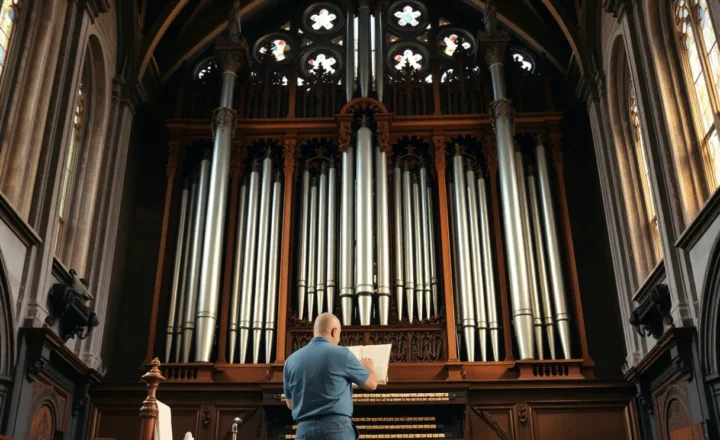
Historic theaters — ornate performance venues built decades or in some cases well over a century ago, often specifically prized today for their architectural character and preserved acoustic and visual heritage — present a genuinely distinct challenge when they need modern sound reinforcement systems capable of supporting contemporary touring productions, amplified concerts, or modern film presentation standards. Unlike installing sound equipment in a purpose-built modern venue, retrofitting a historic theater has to reconcile three often-competing priorities simultaneously: achieving genuinely modern audio performance, respecting the building’s protected architectural fabric, and working within physical constraints the original architects never anticipated needing to accommodate.
Why the Building’s Protected Status Constrains Basic Installation Choices
Many historic theaters carry formal historic preservation designations — listing on national or local historic registers, landmark status, or specific preservation covenants tied to restoration funding — that impose real legal and practical constraints on what physical modifications a sound system installation can make to the building’s protected architectural elements, including ornate plasterwork, historic murals, decorative moldings, and original architectural sightlines that preservation authorities and often the venue’s own institutional mission specifically want preserved rather than concealed or altered by new equipment installation.
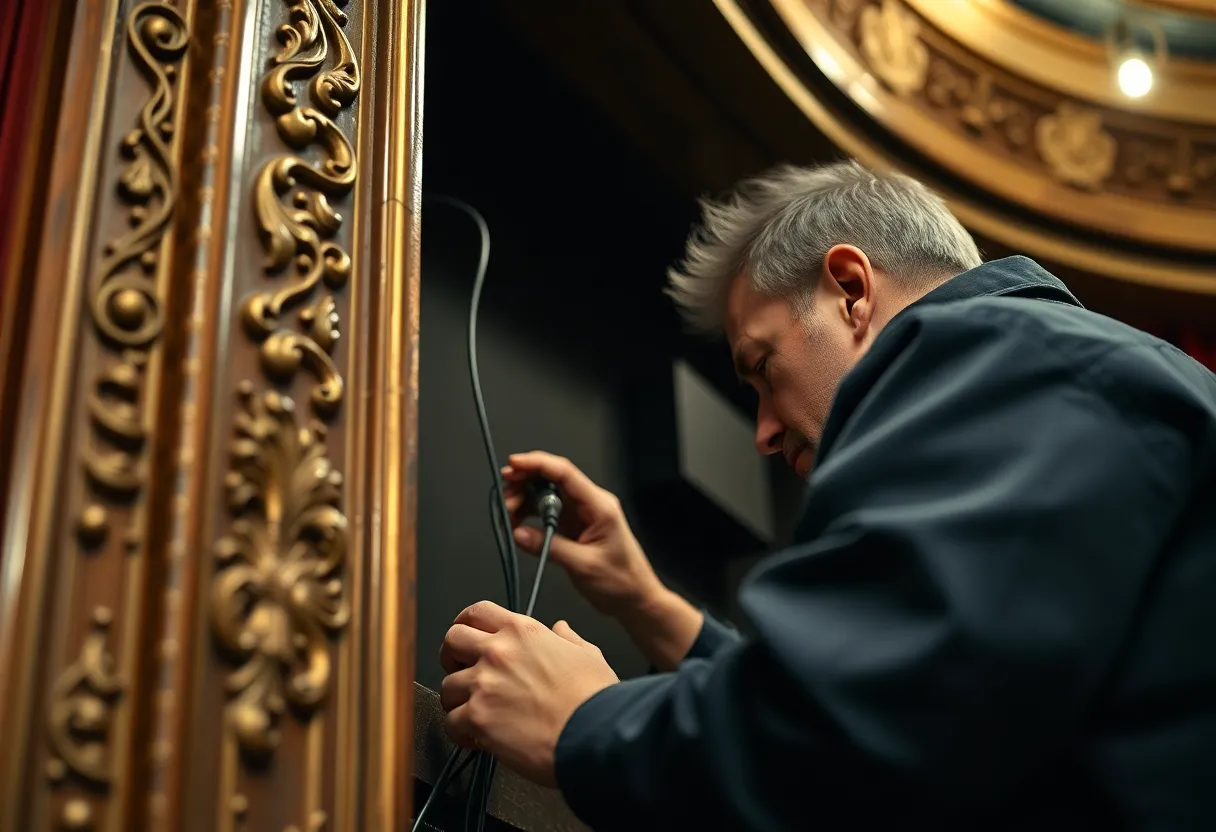
This means sound system designers working on historic theater retrofits generally can’t simply mount speakers and run cable wherever acoustic performance considerations alone would suggest is optimal — they need to work within a genuinely constrained physical installation envelope, often requiring speaker placement and cable routing solutions specifically designed to minimize visual and physical impact on protected architectural elements, sometimes requiring custom-fabricated mounting solutions or creative routing through existing structural cavities and historic ventilation or utility pathways rather than straightforward new installation paths a modern building’s design would readily accommodate.
How Original Acoustic Design Intent Complicates Modern Sound Reinforcement
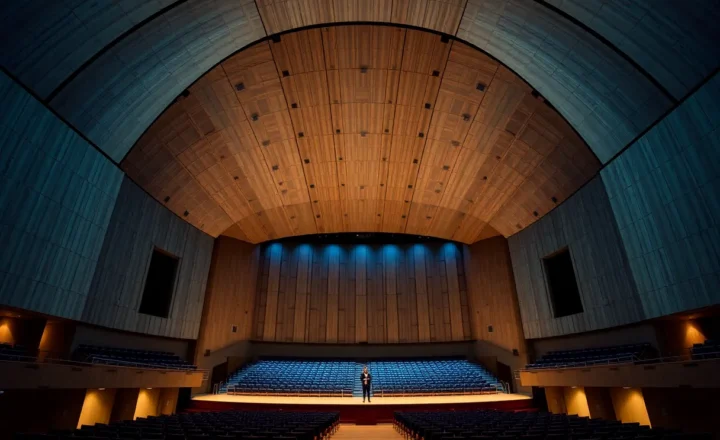
Historic theaters were generally designed with acoustic properties tailored specifically to the unamplified performance formats common when they were built — live orchestral music, unamplified theatrical dialogue, and early film presentation with far more limited audio requirements than modern digital cinema or touring concert sound reinforcement demands.
This original acoustic design intent, often achieved through the building’s specific room geometry, wall and ceiling materials, and decorative surface treatments, can genuinely conflict with modern sound reinforcement requirements — a room acoustically designed to naturally support unamplified vocal projection and orchestral resonance doesn’t necessarily provide the more acoustically neutral, controlled reverberation characteristics that modern amplified sound systems generally perform best in, creating a real tension where achieving good modern amplified sound sometimes requires acoustic treatment additions that could visually or physically conflict with the historic room’s protected original acoustic and visual design.
Rigging and Structural Load Capacity Add a Separate Engineering Constraint
Modern line array speaker systems and associated rigging hardware, common in contemporary touring and concert sound reinforcement, require structural load capacity for overhead rigging points that many historic theater structures, built to load standards and structural engineering practices from decades or a century-plus earlier, weren’t originally designed to support without additional structural reinforcement.
This structural constraint often requires detailed structural engineering assessment specific to a given historic building’s actual load-bearing capacity and any reinforcement work needed to safely support modern rigging loads, adding both cost and structural engineering complexity that a modern purpose-built venue, designed from the outset with contemporary rigging load requirements in mind, simply wouldn’t face to the same degree, and sometimes constraining the specific type and configuration of modern sound equipment a historic venue can practically install even where budget for the equipment itself isn’t the limiting factor.
Why Reversibility Has Become a Guiding Design Principle
Given these compounding constraints, historic theater sound system designers and the preservation-minded institutions that operate these venues have generally converged on reversibility as a guiding installation principle — favoring sound system installation approaches that can, in principle, be removed or upgraded in the future without permanent alteration or damage to the underlying historic architectural fabric, rather than installation methods that would require destructive modification difficult or impossible to undo if future technology or venue needs change.
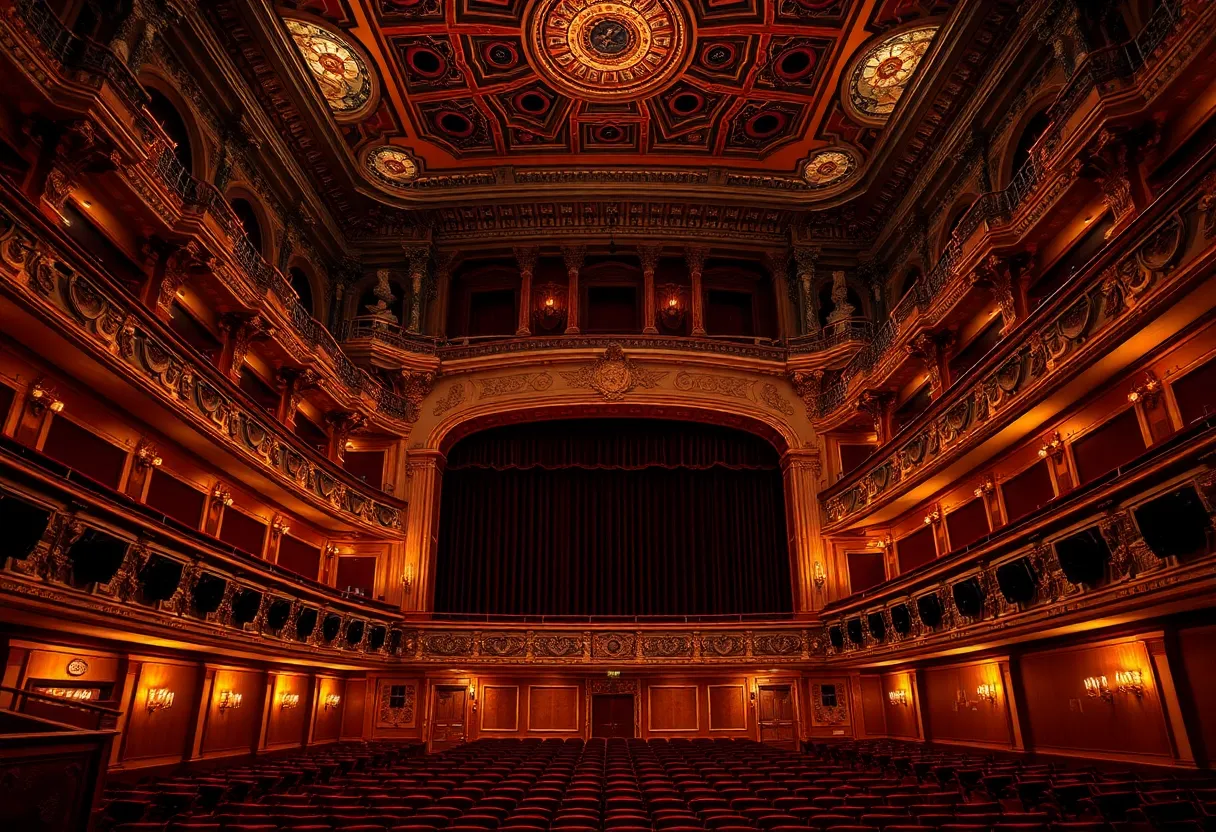
This reversibility principle directly shapes practical installation choices — favoring mounting hardware and cable routing methods that attach to existing structural elements rather than requiring new penetrations through protected decorative surfaces, and favoring speaker technology and placement strategies that can achieve good coverage without requiring speakers to be permanently embedded into or structurally integrated with historic architectural elements in ways that would be difficult to reverse if a future renovation or technology upgrade required different equipment placement.
Why This Combination of Constraints Requires Genuinely Specialized Expertise
The specific combination of acoustic engineering expertise, historic preservation regulatory knowledge, and structural engineering assessment required to execute a historic theater sound retrofit successfully has produced a genuinely specialized niche within the broader professional audio installation industry, where firms and consultants with specific historic venue experience command real value precisely because the standard modern venue sound installation playbook doesn’t transfer directly to historic theater constraints without significant adaptation. This specialization reflects the genuine complexity involved in achieving all three competing goals simultaneously — modern audio performance, architectural preservation, and structural safety — rather than any one of these goals being inherently harder to achieve in isolation than the others.