Why Building a Garage Lab Beats Buying Off-the-Shelf Gadgets

Jamie Torres
February 25, 2026
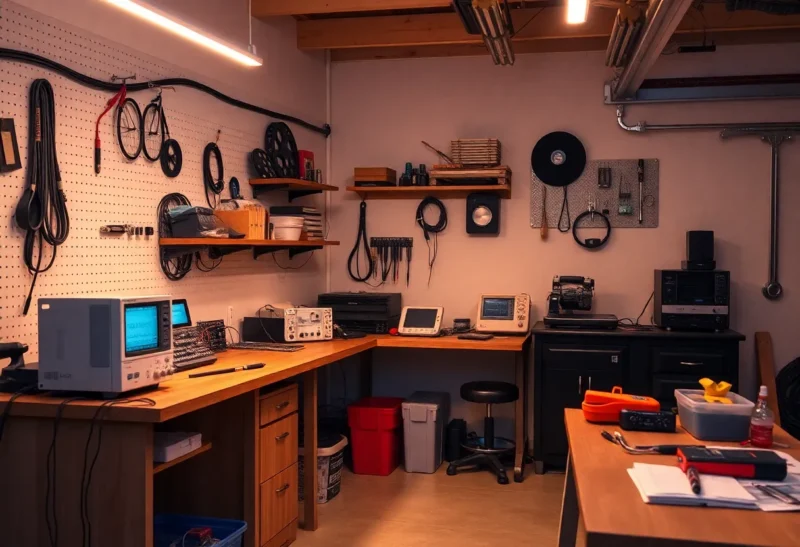
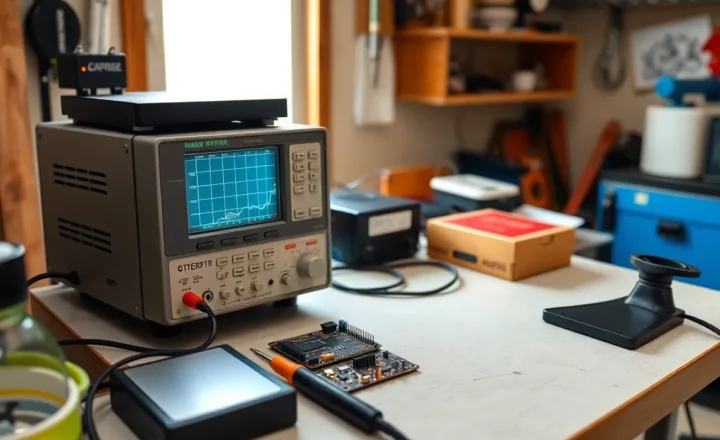
Off-the-shelf gadgets are convenient. You unbox them, charge them, and they work. But there’s a ceiling to what they teach you—and to what they can do. A garage lab—a small workspace with basic electronics tools, a bench, and the willingness to build and break things—delivers something no retail product can: real understanding, repairability, and the ability to adapt gear to your actual needs.
You Learn How Things Actually Work
When you buy a finished product, you’re a user. When you build or modify something in a garage lab, you’re a participant. You trace signals, read datasheets, and see why a circuit does what it does. That knowledge doesn’t just satisfy curiosity—it makes you better at choosing, fixing, and criticizing the gadgets you do buy. You stop treating tech as magic and start seeing it as systems.
That literacy pays off everywhere. Debugging a smart home device, choosing the right battery for a project, or understanding why a charger failed becomes tractable. You’re not dependent on support forums or warranty returns; you have a mental model of how the pieces fit together.
Repair and Iteration Become Normal
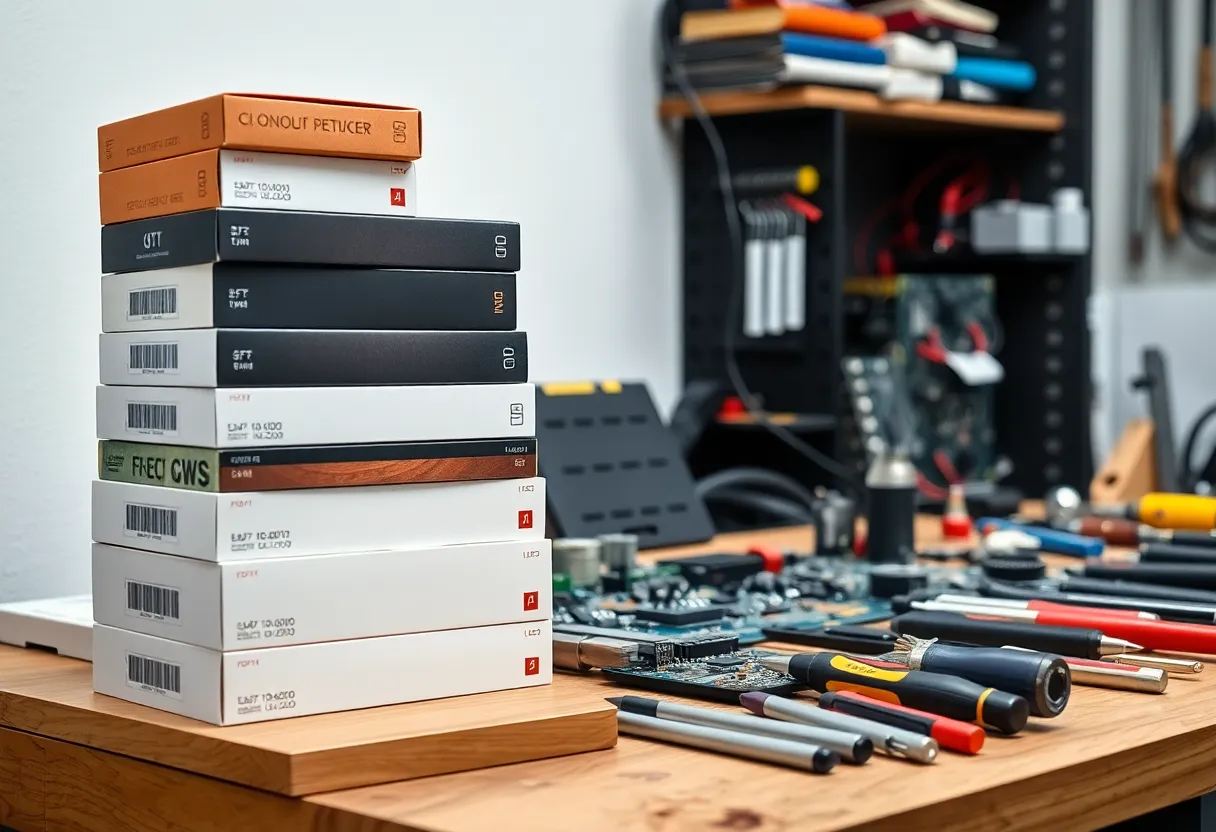
Consumer electronics are built to be replaced, not repaired. A garage lab flips that. You have a soldering iron, multimeter, and maybe an oscilloscope. When something breaks, the first question is “can I fix it?”—and often the answer is yes. You replace a fuse, reflow a joint, or swap a bad component. The device lives longer, and you waste less.
You also iterate. That sensor project doesn’t have to be perfect v1 forever. You add a display, change the power supply, or integrate it with a home server. Off-the-shelf gear is fixed at shipment; lab-built gear evolves with your needs.
Cost and Control
A basic garage lab doesn’t have to be expensive. A decent soldering station, a multimeter, a breadboard, and a small stash of components can cost less than a single high-end gadget. Over time, you reuse those tools and parts across dozens of projects. The per-project cost drops, and you’re not locked into one vendor’s ecosystem or upgrade cycle.
You also control the feature set. Commercial products bundle what the market wants; your builds do exactly what you need. No subscription, no telemetry, no planned obsolescence—just a circuit and code that you understand and own.
When Off-the-Shelf Still Wins
None of this means you should build everything. Some things are better bought: smartphones, mainstream laptops, and appliances where safety and reliability are non-negotiable. The garage lab is for learning, for one-off or niche needs, and for the stuff that’s too expensive or too locked-down to buy. It’s a complement to consumer tech, not a replacement.
The goal isn’t to quit buying gadgets. It’s to add a layer of capability—building, repairing, and modifying—so that when you do buy, you’re a smarter customer, and when you can’t buy what you need, you can still get there.
The Bottom Line
A garage lab is an investment in understanding and agency. You learn how things work, you fix and iterate instead of replace, and you keep cost and control in your hands. Off-the-shelf will always have a place—but the lab is where you level up.