What Makes Retrofitting Subway Systems for Wheelchair Accessibility So Expensive

Ola Mensah
July 9, 2026
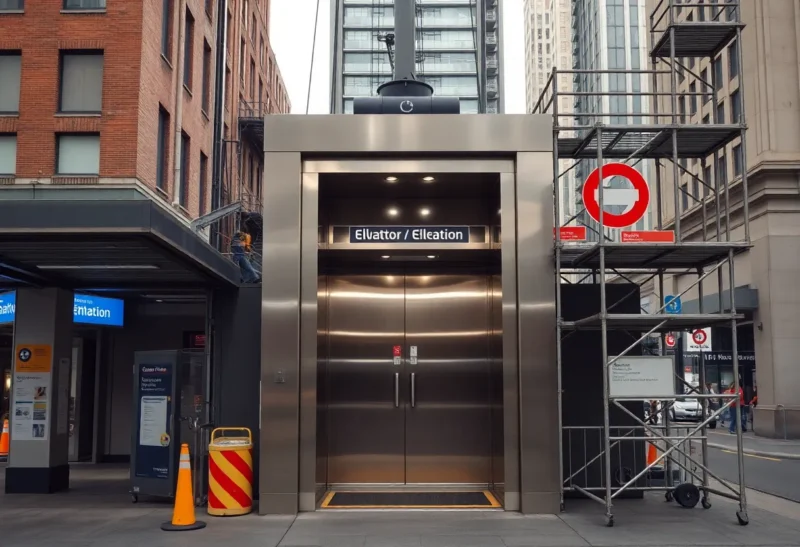
Major subway systems built decades before modern accessibility standards existed — New York’s, London’s, and numerous other legacy metro systems worldwide among them — still have a substantial share of stations without step-free wheelchair access, and the cost of retrofitting each individual station with full accessibility (typically requiring at minimum an elevator connecting street level to platform level) frequently runs into the tens of millions of dollars per station. That cost figure surprises many people encountering it for the first time, since installing a single elevator seems like it should be a comparatively modest, contained construction project. The actual cost drivers reveal just how much unavoidable underlying complexity legacy subway infrastructure adds to what looks from the outside like a straightforward accessibility upgrade.
Why Original Station Design Almost Never Left Room for Elevators
Subway stations built in the early-to-mid twentieth century, when most major legacy metro systems were originally constructed, were essentially never designed with future elevator installation in mind, since building-wide accessibility design standards mandating this kind of accommodation didn’t exist yet during their original construction era, meaning the physical space, structural provisions, and vertical routing needed for an elevator shaft connecting street level to platform level simply weren’t incorporated into these stations’ original design.
This means retrofitting an elevator into an existing legacy station almost always requires finding or creating an entirely new vertical routing path through structure that was never designed to accommodate it, frequently requiring careful structural engineering work to cut through existing structural elements, reroute existing utilities (electrical, water, drainage, ventilation systems) that occupy the space where an elevator shaft needs to go, and in many cases significant excavation work to create the elevator shaft and machine room space that a modern, purpose-built station would have simply incorporated into its original design from the start.
How Utility Relocation Alone Drives Enormous Cost
Dense urban environments where subway stations are located are typically threaded with an extensive, often poorly documented network of underground utilities — water mains, sewer lines, electrical conduits, telecommunications infrastructure, gas lines, and the subway system’s own signaling and power infrastructure — much of it installed over many decades by different utility operators with historically inconsistent documentation standards, meaning the exact location of everything that needs to be relocated or worked around for a given elevator installation often isn’t fully known until physical excavation and investigation actually begins.
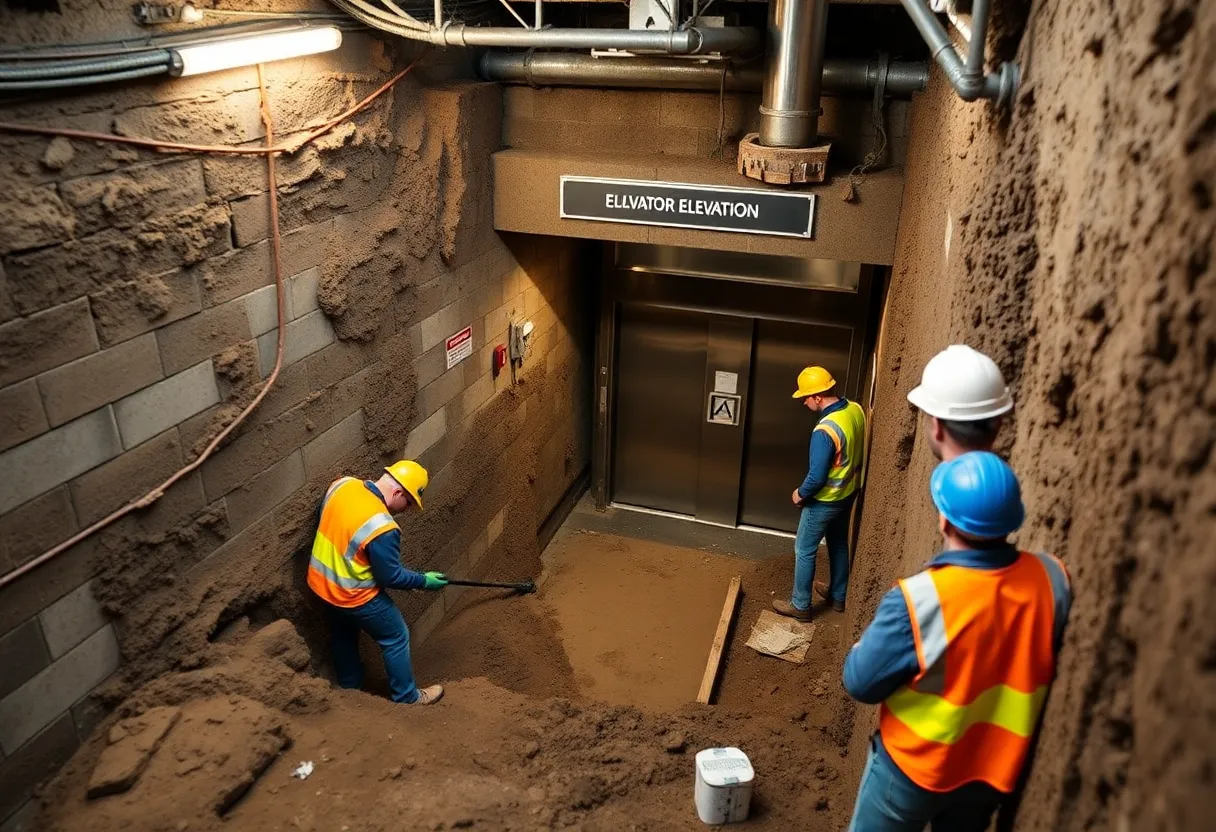
This utility uncertainty is a major, well-documented source of cost overruns and schedule delays in urban subway accessibility retrofit projects specifically, since discovering unexpected or undocumented utility infrastructure during excavation frequently requires real-time engineering redesign and additional coordination with the specific utility operators affected, adding cost and time that a project working from complete, accurate utility documentation wouldn’t face to nearly the same degree.
Why Maintaining Live Transit Operations During Construction Adds Its Own Cost Layer
Most subway accessibility retrofit projects need to be constructed while the affected station continues operating and serving passengers, since fully closing a busy subway station for the full multi-year duration a major elevator retrofit project can require would impose substantial disruption on the ridership that depends on that station, meaning construction crews generally need to work around active transit operations, coordinate construction schedules and safety protocols around train service, and use construction methods and staging approaches specifically designed to minimize disruption to ongoing station operations.
This live-operations constraint meaningfully limits which construction methods and schedules are practically available compared to building the same elevator installation in a station that could simply be closed entirely during construction, generally extending project timelines and requiring more expensive construction approaches (like extensive temporary shoring, protective structures around active passenger areas, and off-peak or overnight-only construction windows for the most disruptive work phases) specifically to preserve continued station operation throughout the project.
Structural Assessment and Reinforcement Add Further Underlying Cost
Legacy subway station structures, often nearing or exceeding a century old in many major systems, frequently require extensive structural assessment work before an elevator retrofit project can even begin detailed design, to determine the specific structure’s actual current condition and load-bearing capacity, since decades of aging, water infiltration, and the cumulative effects of ongoing heavy transit use can meaningfully affect a station’s structural condition compared to its original as-built specifications.
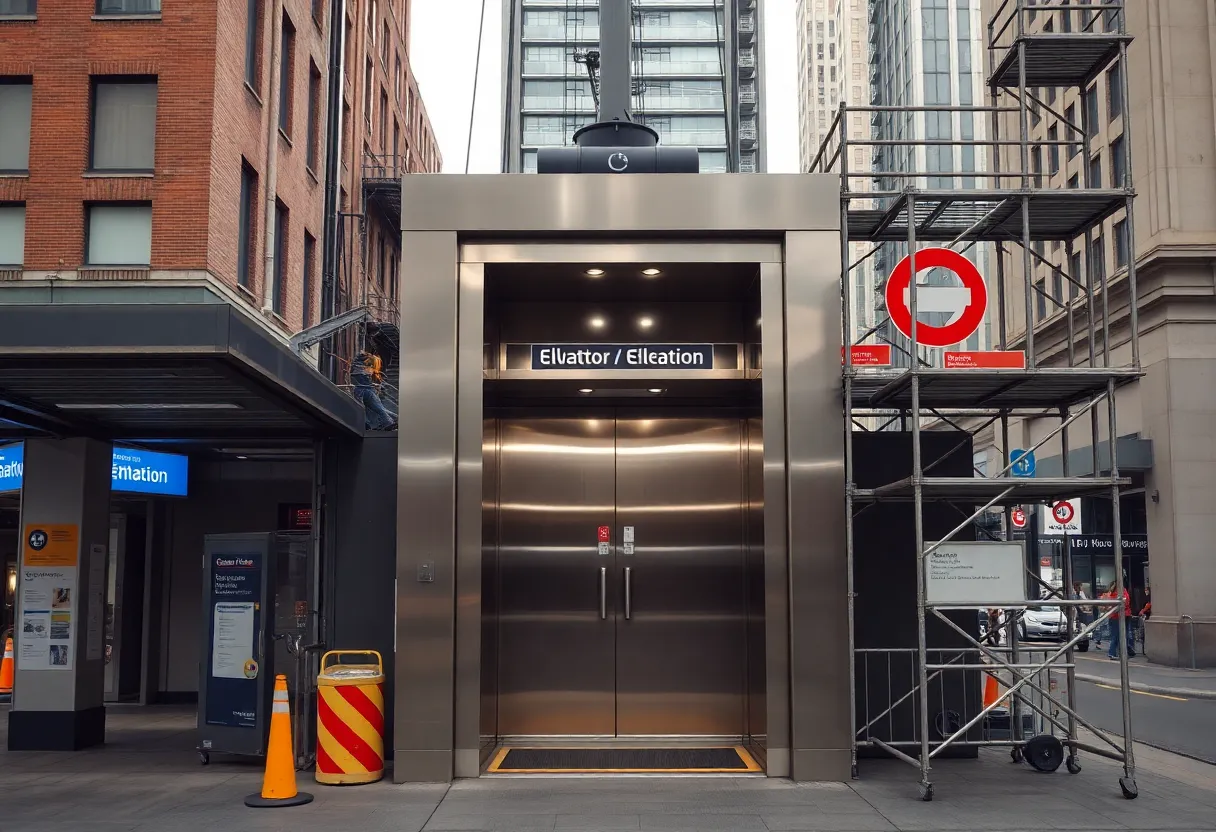
This structural assessment frequently reveals a need for structural reinforcement work beyond what would be strictly needed to support the elevator installation itself, since bringing a legacy structure up to current structural and safety code standards as part of a major renovation project (a requirement that generally applies once a station undergoes major construction work, even if the original impetus was specifically accessibility-focused) adds substantial additional scope and cost that a narrowly-defined “just install an elevator” project description doesn’t fully capture.
Why Transit Agencies Still Prioritize This Work Despite the Cost
Despite these substantial cost drivers, transit agencies operating legacy subway systems have continued prioritizing accessibility retrofit programs, driven both by legal accessibility requirements that increasingly apply to public transit infrastructure and by genuine institutional commitment to making transit systems usable by riders who use wheelchairs or otherwise depend on step-free access, even though the actual pace of retrofitting entire legacy systems remains slow and expensive enough that full system-wide accessibility for many major legacy metro systems remains a multi-decade undertaking rather than something achievable through any single, comprehensive near-term investment. This combination of unavoidable legacy infrastructure complexity, utility uncertainty, live-operations constraints, and structural assessment requirements together explain why what looks like a single elevator installation routinely becomes a project costing tens of millions of dollars and taking years to complete for a single station.