The Honest Assessment of Standing Desks After Using One for a Year

Connor Ashford
July 7, 2026
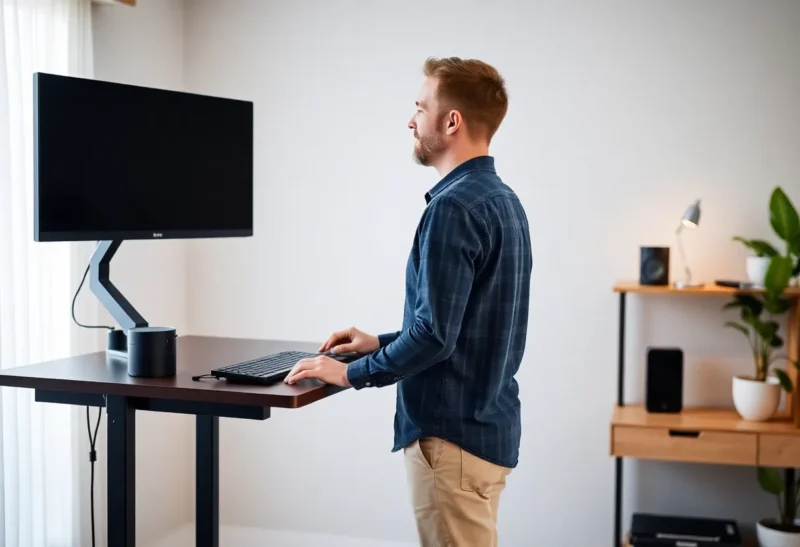
Standing desks — specifically electrically adjustable sit-stand desks — have become one of the defining home office purchases of the last decade, driven by concerns about sedentary work, back pain, and the general wellness narrative around “sitting is the new smoking.” The marketing materials consistently show people alternating seamlessly between sitting and standing throughout the workday, looking energized and comfortable in both positions. The actual experience of using a standing desk for a year is more complicated, more modest in its benefits, and more honest about its limitations than the category’s promotional framing suggests. The desk is worth having, but understanding what it actually does (and doesn’t do) changes how you should think about buying one.
What the Research Actually Shows
The scientific case for standing desks has weakened since the “sitting is killing you” peak of the early 2010s. A 2018 Cochrane Review of randomized controlled trials found that sit-stand workstations reduced sitting time, but the evidence for health outcomes beyond sitting time was weak — the studies were generally short-term and the health endpoints (back pain, cardiometabolic markers, productivity, wellbeing) showed inconsistent effects. A 2023 meta-analysis published in JAMA found that prolonged standing was independently associated with increased risk of varicose veins and circulatory problems — standing all day creates its own health risks distinct from sitting all day. The emerging research consensus is closer to “movement is what matters, and the specific mix of sitting and standing is less important than not being static” than to “standing more is better.”
This doesn’t mean standing desks are useless. Breaking up long sitting periods with standing or movement has consistent evidence for reducing musculoskeletal discomfort and may reduce some sedentary behavior risks. A sit-stand desk enables this more conveniently than alternatives. But the framing of “standing desks prevent health problems from office work” significantly overstates the evidence, and expectations calibrated to that framing will be disappointed.
The Actual Day-to-Day Experience
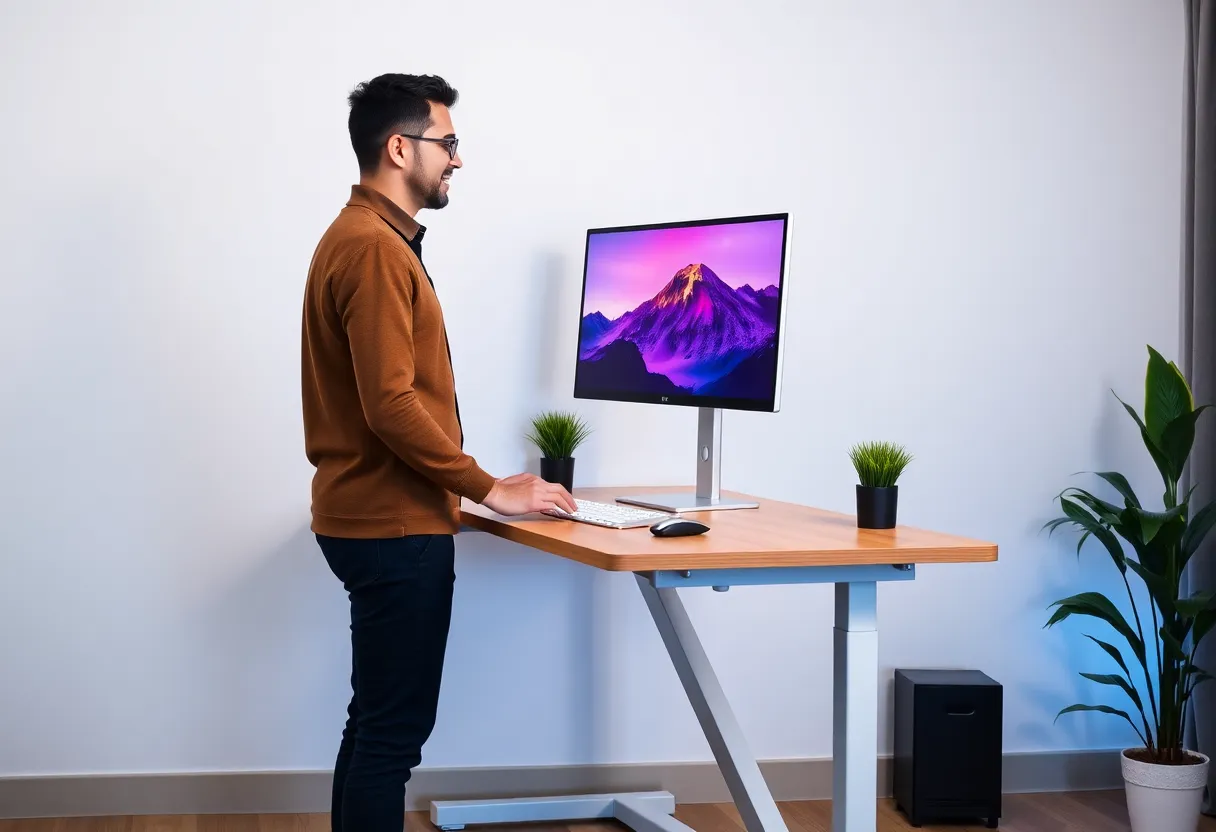
The reality of standing desk use after novelty wears off, reported consistently by long-term users: most people stand less than they anticipated, and the proportion of time spent standing tends to decrease over the first several months from the enthusiastic initial period to a lower sustainable level. A desk purchased with intentions of standing 50% of the workday is typically used for standing 15–25% of the day after the first year, often in shorter intervals than planned.
The standing periods that are actually sustained tend to be during lighter cognitive tasks — email processing, reviewing documents, simple calls — rather than during demanding cognitive work. Standing while doing deep focus work (coding, writing, complex analysis) is uncomfortable for most people beyond 20–30 minutes, not because of the standing itself but because the cognitive demand requires the physical stillness that sitting provides more easily. The “standing helps you think better” claim that circulates in productivity content doesn’t hold up well against the experience of trying to do genuinely difficult mental work while standing.
The movement from sitting to standing is the most functionally valuable aspect of the desk — not the standing itself. Breaking up long sitting sessions (every 60–90 minutes is a commonly cited target based on research) by standing for 15–20 minutes changes physical posture, provides a mild postural reset, and gives context for a task transition. Used this way, the desk is genuinely useful: not as a health intervention that prevents serious outcomes, but as a convenience for adding variety to a stationary workday.
The Back Pain Question
Back pain is the most commonly cited motivation for buying a standing desk. The evidence here is mixed and depends heavily on what’s causing the back pain. If the pain is related to prolonged static posture in a poorly fitting chair, a standing desk can provide relief by enabling position changes that break up that static posture. If the pain is structural — disc problems, muscle imbalances, or referred pain from other sources — a standing desk may provide temporary relief from standing position changes without addressing the underlying issue.
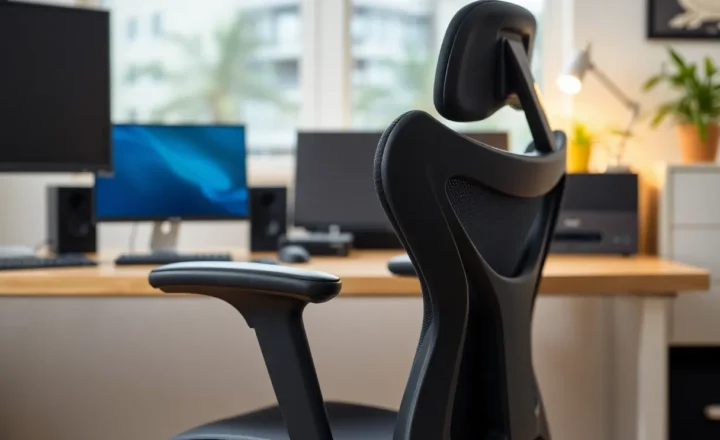
The ergonomically honest answer to back pain from office work: chair fit and ergonomic setup have stronger evidence than the sitting/standing ratio. A well-fitted chair with proper lumbar support, monitor at eye level, keyboard at the right height (to avoid shoulder elevation), and regular breaks to move is more evidence-based for back pain prevention than a standing desk alone. A standing desk at the wrong height (requiring the user to hunch or reach down) can worsen neck and shoulder pain. Standing desk ergonomics requires as much attention as seated ergonomics — the desk and monitor heights must be set correctly for standing position, not just for sitting.
What Makes a Good Standing Desk
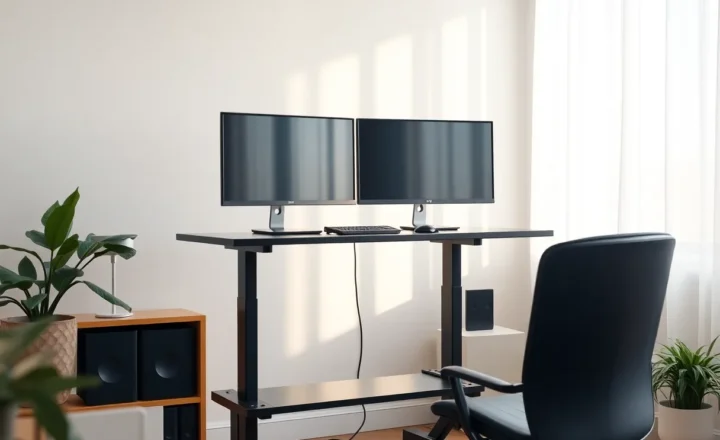
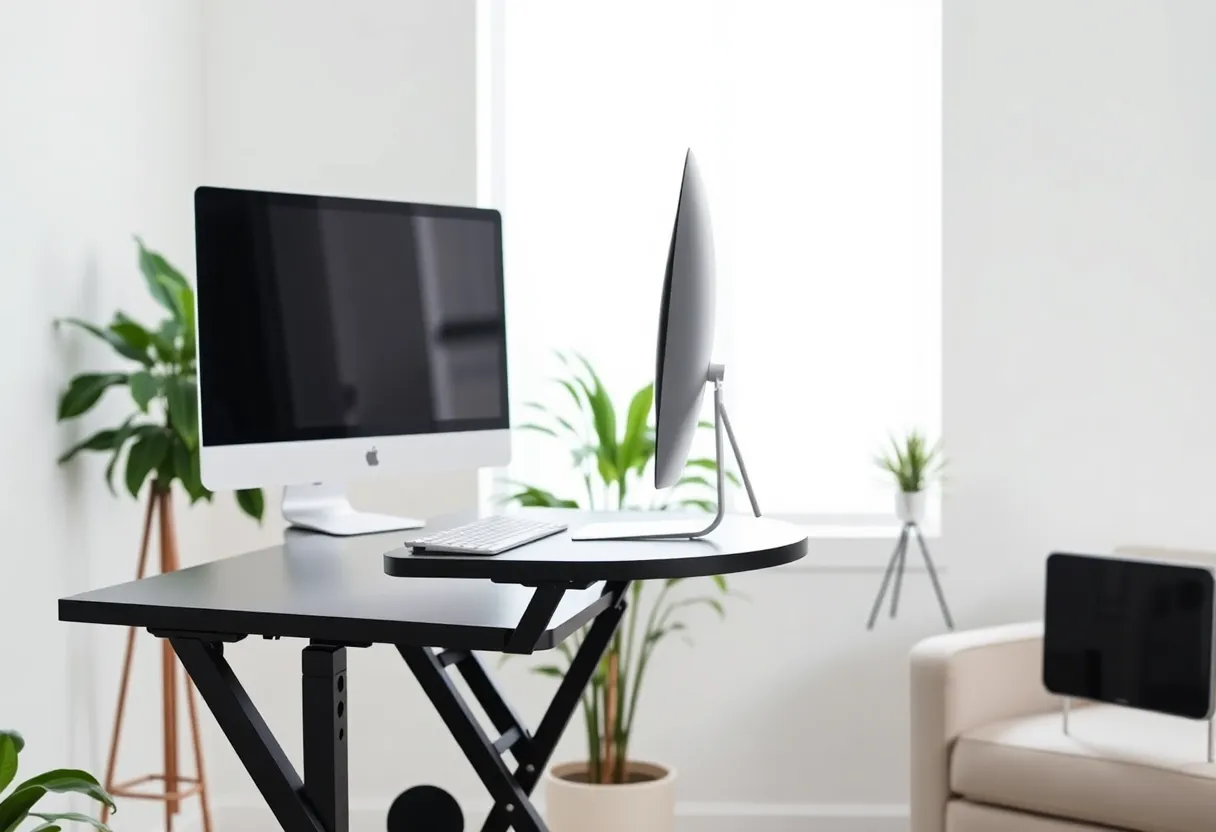
The standing desk market has a wide price range with genuine quality differences. Important specifications: motor quality (single-motor desks at the budget end have lower weight capacity and slower speed; dual-motor desks handle heavier monitor setups and are more reliable long-term), stability at height (desks that wobble at standing height make typing unpleasant; wobble is a common complaint in lower-priced desks), weight capacity (a setup with two monitors, a monitor arm, and accessories can easily exceed 50 lbs; check the capacity for the load you plan), and programmable height presets (one-touch switching between saved sitting and standing heights is functionally important — manual control that requires holding a button while the desk moves discourages height changes).
The anti-fatigue mat is as important as the desk itself for sustainable standing. Standing on hard flooring for extended periods produces foot and lower back fatigue significantly faster than standing on a cushioned mat. A good anti-fatigue mat ($40–100 from brands like Topo or Flexispot) makes 30-minute standing periods comfortable where hard floor standing would prompt sitting after 15 minutes. It’s a non-optional accessory for desk users who actually intend to stand regularly.
The Bottom Line
A standing desk is worth having if you work from home or have a dedicated office and want the convenience of position variety throughout your workday. It’s not a health intervention with meaningful clinical outcomes beyond reducing sedentary time. The value is in the convenience of movement — standing when you want to change position, sitting when you need focus — and that convenience is real. Buy it for that, not for the health outcome framing, and the purchase produces consistent value. Buy it expecting to prevent back problems or improve health outcomes significantly, and the experience is likely to be a modest disappointment against those expectations.