The Engineering Trade-offs Behind Folding Phone Hinges Five Years In

Reed Kim
July 9, 2026
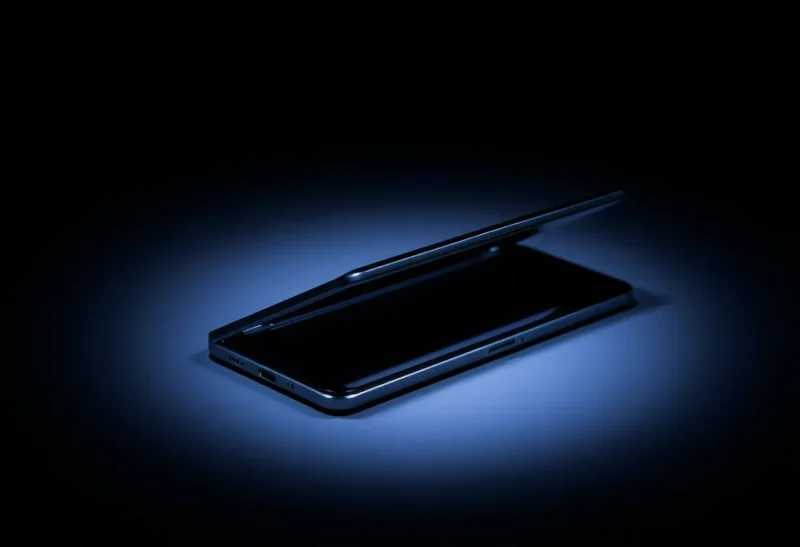
Five years is enough time for a phone category to either quietly disappear or figure out its hardest problem. Folding phones have mostly done the second one, and almost the entire story of that improvement is a single component most owners never think about directly: the hinge. Everything people actually complain about with foldables — the visible crease, dust getting inside, the phone feeling less solid than a slab phone, the price premium — traces back to hinge engineering decisions, and those decisions involve trade-offs that still haven’t been fully resolved even after five generations of iteration.
Why a Hinge Is Harder Than It Sounds
A foldable phone’s hinge has to do several contradictory things at once. It needs to let a flexible OLED display bend to a tight enough radius that the folded phone is pocketable, without creasing, stretching, or delaminating the display’s thin-film layers over tens of thousands of fold cycles. It needs to hold the phone open at a specific angle without drifting shut under the display’s own resistance, while also folding fully flat with no gap for dust and debris to enter. And it needs to do all of this while remaining thin and light enough that the phone doesn’t feel like a brick, in a form factor where every additional millimeter of hinge mechanism directly steals space from battery capacity.
Early folding phones, particularly the first Galaxy Fold generation, solved this poorly enough to become a genuine cautionary tale — review units failed within days from debris entering through gaps at the hinge edges and getting under the display, forcing a public relaunch months later with a redesigned hinge featuring protective caps at the edges specifically to block particle ingress.
The Crease Problem Is a Materials Problem, Not Just a Hinge Problem
The visible crease that persists on nearly every foldable, even the best current models, comes from an unavoidable tension: the display material needs to be thin and flexible enough to fold without breaking, but that same thinness means the folded region undergoes real physical deformation with every cycle, and polymer OLED substrates don’t fully return to a perfectly flat state after being folded repeatedly. Manufacturers have approached this from the hinge side by engineering a folding path that distributes bending stress across a wider curve rather than a sharp point — often described as a “waterdrop” or teardrop hinge design, where the display folds into a gentle, rounded shape rather than being pinched at a single tight radius.
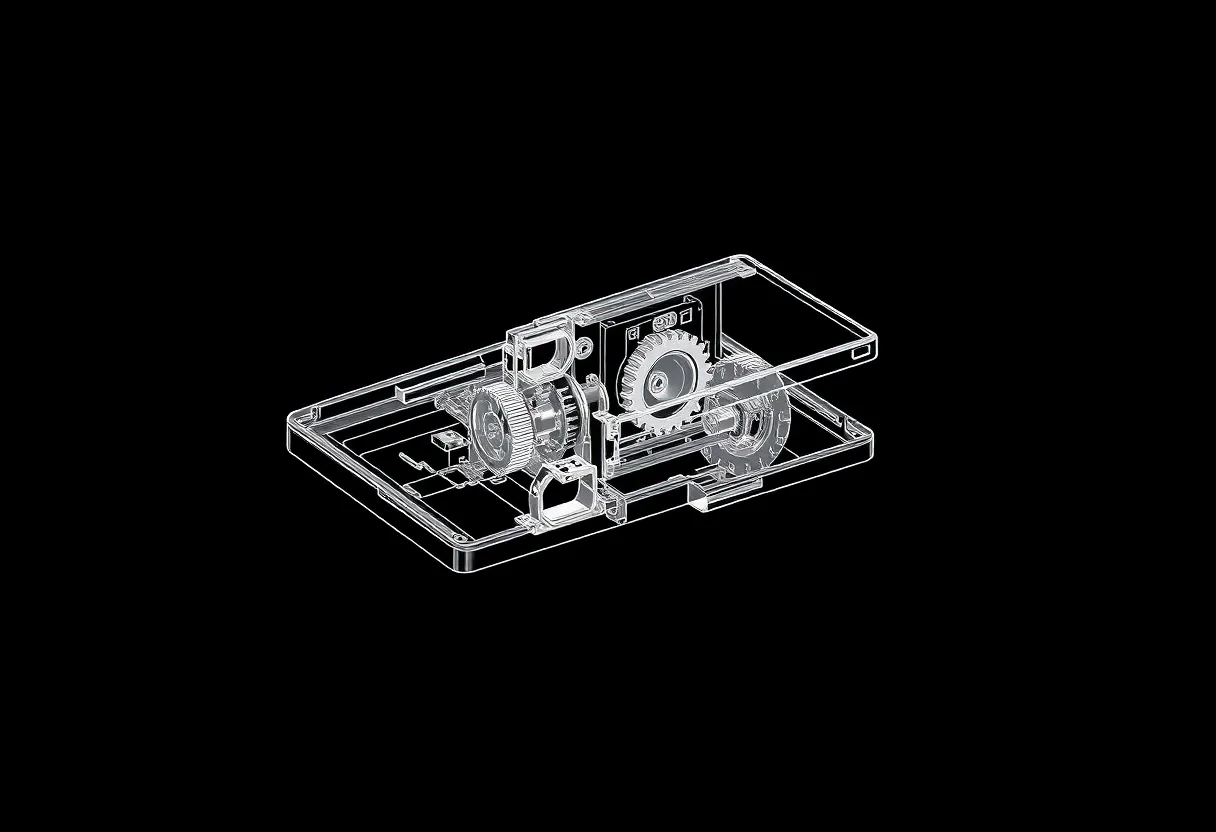
That approach measurably reduces crease visibility and long-term display stress compared to the tighter folding radius of earlier designs, but it comes at a direct cost: a waterdrop hinge mechanism needs more internal volume to accommodate the gentler curve, which is part of why book-style foldables remain noticeably thicker when folded than a comparable slab phone, even five years and several generations into the category’s development.
Durability Testing Has Genuinely Improved, With Real Numbers Behind It
One place where measurable progress is easy to point to: fold-cycle durability ratings. Early folding phones were tested and marketed around roughly 200,000 fold cycles, extrapolated to suggest years of daily use, but real-world failure reports in the first couple of generations suggested that lab testing didn’t fully capture how dust, temperature variation, and inconsistent folding force in actual use affected long-term reliability. Current-generation foldables from most major manufacturers are now commonly rated and independently tested well beyond that figure, with some hinge designs certified by independent testing labs for cycle counts equivalent to well over a decade of typical daily folding.
Ingress protection has also become a real, tested specification rather than an afterthought — several current foldables carry official IP ratings for dust and water resistance, something no first-generation folding phone offered, achieved specifically through hinge redesigns that seal the folding mechanism’s edges rather than leaving them exposed the way the original Galaxy Fold did.
The Weight and Thickness Trade-off Hasn’t Actually Gone Away
What’s improved less dramatically is the fundamental physics trade-off between hinge robustness and overall device thinness and weight. A more sophisticated multi-bar hinge mechanism — the kind that enables a tighter, less creased fold with better dust sealing — generally requires more internal components and structural support than a simpler hinge, and every gram and every cubic millimeter spent on the hinge mechanism is a gram and cubic millimeter not spent on battery capacity, which is exactly why foldables have consistently trailed slab phones on battery life relative to their price point throughout the category’s history.
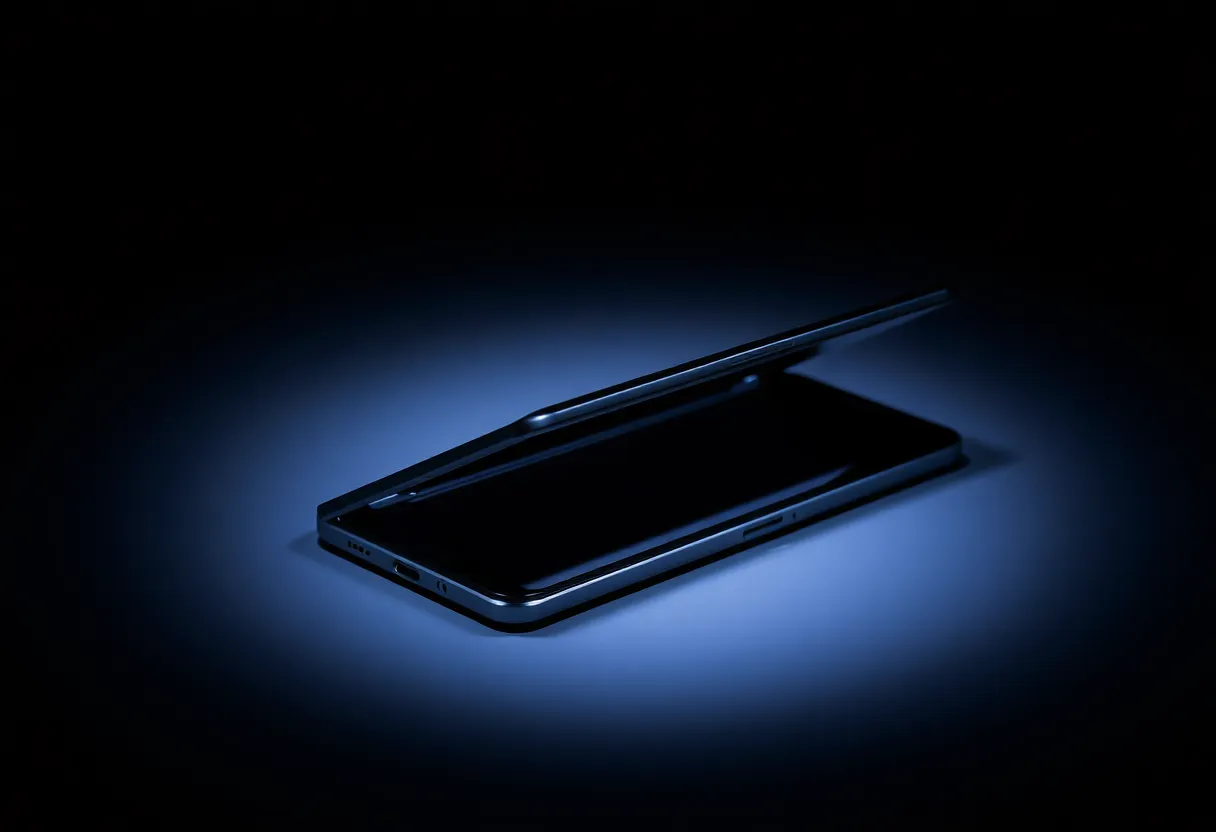
Manufacturers have narrowed this gap with thinner hinge designs in the most recent generations — several current flagship foldables are noticeably slimmer folded than their predecessors from just two or three years earlier — but that thinning has generally come from manufacturing precision improvements and better materials (higher-strength, lower-weight alloys in the hinge plates and support structures) rather than from solving the underlying trade-off entirely. The phones are thinner because the components got better, not because the physical trade-off between mechanism complexity and available internal volume disappeared.
Where the Remaining Weak Points Actually Are
Independent teardowns and repair-focused analyses (notably from organizations like iFixit) consistently flag the same few areas as the current generation’s remaining weak points: the hinge assembly remains one of the most expensive and difficult components to repair if it fails outside warranty, often requiring full disassembly and specialized tools that most independent repair shops don’t stock, which is a real right-to-repair concern specific to this device category. The protective layer over the flexible display — a soft, scratch-prone plastic rather than glass, necessary because glass can’t fold — remains more vulnerable to scratching from fingernails and grit than a standard phone’s cover glass, a durability trade-off that hasn’t meaningfully improved across generations despite improvements to the hinge itself.
What Five Years of Iteration Actually Bought Buyers
The honest assessment is that folding phone hinges have gone from a genuine liability — the specific reason the category nearly stumbled out of the gate — to a mature, well-tested mechanical system that handles its core job (folding a flexible display reliably, thousands of times, while keeping dust and water out) about as well as the underlying materials science currently allows. What hasn’t changed is the fundamental trade-off between a robust hinge and a thin, light, long-battery-life device: that’s not an engineering oversight still waiting to be fixed, it’s the actual physical cost of making a phone fold in half, and five years of real progress has narrowed that cost without eliminating it.