The Case for Buying Second-Hand Tech—And When Not To

Chris Walsh
July 7, 2026

Electronics depreciate faster than almost any other consumer goods category. A $1,200 laptop purchased new loses a third to half of its market value in the first year. A $1,000 iPhone sold as new on launch day is worth $500–600 on the second-hand market 18 months later. This rapid depreciation creates a significant opportunity for buyers who are willing to purchase at one or two generations behind current and who understand what to look for and what to avoid. Second-hand tech is not uniformly a good idea — some categories have legitimate risks that make used purchases inadvisable — but for specific categories and with appropriate due diligence, the value proposition is substantial.
The Categories Where Second-Hand Makes the Most Sense
Laptops are among the best second-hand tech purchases available. Modern laptop hardware is durable, and the failure modes are predictable: battery degradation (replaceable on most models, visible in system diagnostics), screen defects (visible on inspection), and keyboard or trackpad issues (testable before purchase). A two-year-old laptop from a business line — ThinkPad T or X series, Dell Latitude, MacBook Pro — has typically been used in low-stress office environments, often has light physical wear, and is available on B2B refurbishment markets (Back Market, Swappa, certified refurbished directly from manufacturers) at 40–60% off original retail price. For the majority of productivity use cases, a two-year-old premium laptop is essentially identical to a new one in functional terms; the performance gap between generations in office productivity applications is imperceptible.
Desktop graphics cards have strong second-hand value. GPU generations improve significantly enough that each launch cycle releases substantial previous-generation supply onto the market. A GPU that was $600 new two years ago may be $250–300 used, with nearly identical performance for most gaming and workload use. The risk factors — mining fatigue for cards that were used in crypto mining, defects from overclocking — are real but assessable: mining cards often have elevated wear on fans and may have had higher running temperatures; checking the GPU’s age and verifying performance stability with a benchmark tool on purchase reduces this risk. Cards purchased from non-mining gaming users are lower risk.
Console gaming hardware depreciates predictably. A PlayStation or Xbox console released two to three years ago is available used for 40–50% less than new and runs the same games. The library is larger, any major hardware revisions that addressed launch issues have been incorporated, and the price curve is favorable. Gaming consoles are generally durable; the main wear item is the disc drive (if present) and controller joystick drift, both of which are either testable or inexpensive to replace.
The Certified Refurbished Option
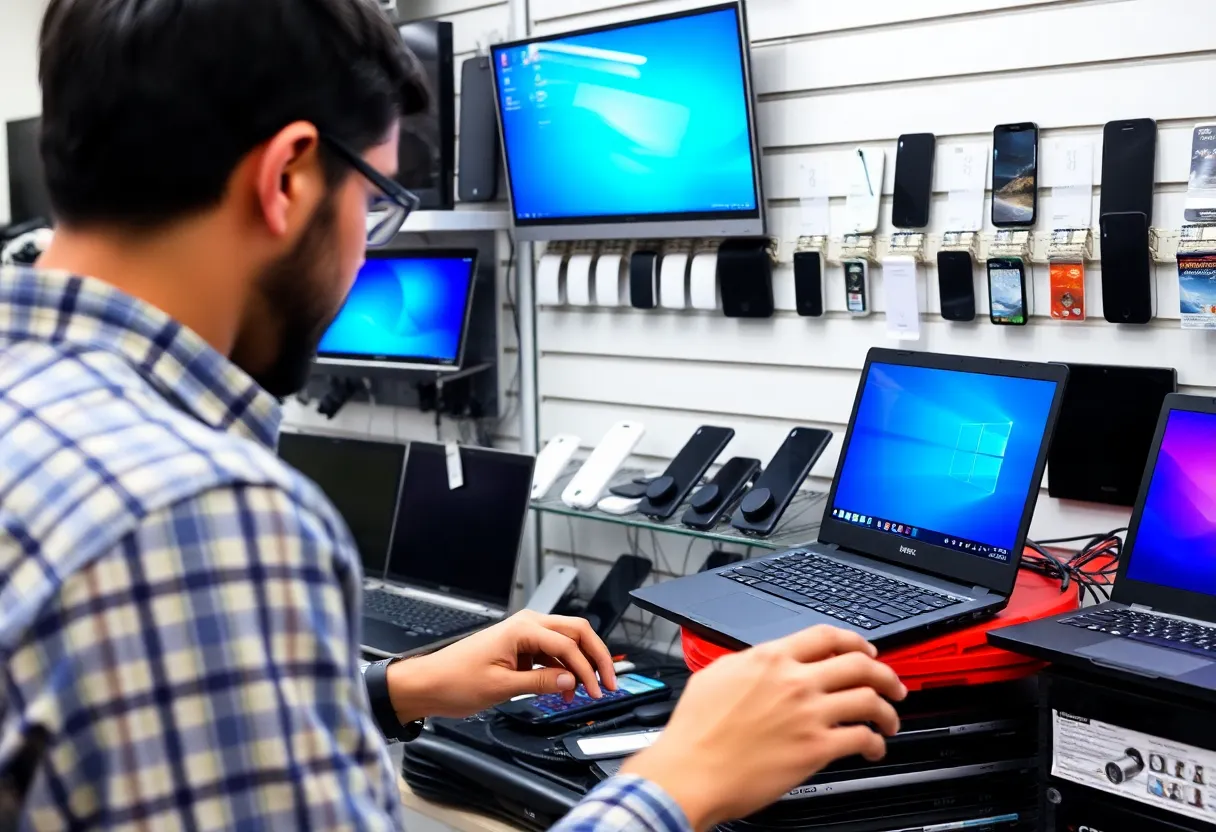
Certified refurbished is the middle ground between new and unverified used — devices that have been returned, inspected, repaired where necessary, and resold with a warranty by either the original manufacturer or a reputable third-party refurbisher. Apple’s certified refurbished store sells devices at 15–20% below retail with the same one-year warranty as new devices and access to AppleCare+. The devices are functionally indistinguishable from new (Apple replaces batteries and any worn components as part of the refurbishment process) and carry no second-hand stigma for professional use.
Third-party refurbishers like Back Market, Swappa’s certified tier, and Gazelle grade devices and provide their own return policies and limited warranties. The grading systems (Grade A/B/C, “Excellent/Good/Fair”) describe cosmetic condition rather than functional condition — Grade B devices typically have minor cosmetic wear but full functional performance. For devices being used in cases that will cover cosmetic blemishes, cosmetic grade matters less than functional condition and source reputation.
Where Second-Hand Tech Has Real Risks
Smartphones are riskier than laptops for second-hand purchases, primarily due to activation lock complications (a stolen iPhone locked to a previous owner’s Apple ID is worthless), battery degradation (smartphone batteries degrade meaningfully with charge cycles; a two-year-old phone’s battery may be at 80% capacity, impacting daily runtime), and the accelerated software support lifecycle (a phone released three years ago may be at or near the end of its software update support window, creating security risk if used for another two to three years). These risks are manageable with verification (checking activation lock status before purchase, checking battery health in iOS settings or equivalent), but they’re more consequential than the risks in laptop purchases.
Mechanical hard drives are risky used purchases because they’re mechanical wear items whose remaining life expectancy is difficult to assess from S.M.A.R.T. data alone. For homelab backups the interface fight is HDD versus SSD. SSDs are more reliable as used purchases — they have no moving parts and their health is assessable with crystal disk info. Used network equipment (routers, switches) is generally reliable used if purchased from reputable sources but may be approaching end-of-life for security updates from the manufacturer, which matters more for network equipment than for other categories.
The Due Diligence Framework
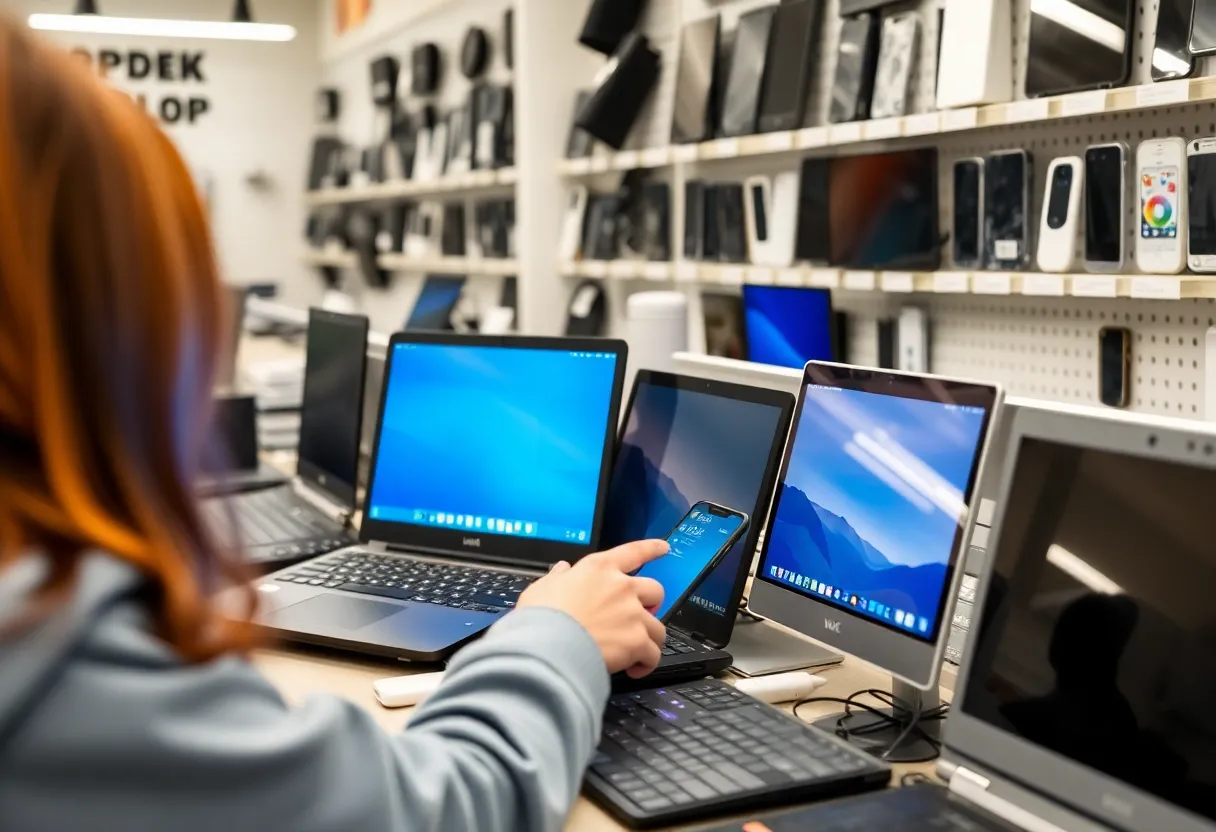
For any second-hand tech purchase, the verification checklist is: confirm the device powers on and runs basic functions (video call or benchmark for laptops; screen, speakers, cameras, microphone, charging, cellular for phones); check battery health through the device’s own diagnostics; verify no activation locks (iCloud lock for Apple devices, Google FRP for Android); inspect physical condition and note any damage not disclosed in the listing; confirm the serial number against manufacturer records for warranty status and any theft reports; and ensure you have a return option if something is not as described.
Purchasing from platforms with buyer protection (Back Market, Swappa, eBay with buyer protection, direct from manufacturer refurbished stores) provides recourse if the device is not as described. Purchasing directly from individuals without platform protection is higher risk — the price discount should reflect this. For expensive purchases like laptops, the $30–50 you might save buying from an individual versus a platform like Back Market is not worth the absence of buyer protection.
The environmental case for second-hand tech deserves mention: consumer electronics manufacturing is resource-intensive, and extending the useful life of existing devices by purchasing second-hand rather than new reduces the lifecycle environmental impact of your technology use. This consideration doesn’t override the practical concerns in high-risk categories, but it’s a genuine benefit of the second-hand market that goes beyond the purely financial.