Highway Autopilot vs driving the same commute yourself: the handoffs that are the actual risk

Sofia Reyes
September 23, 2026
Highway Autopilot—and the cluster of systems like it—sells a quieter commute: lane centering, adaptive cruise, fewer micro-corrections in stop-and-go. Driving the same stretch yourself sells continuity: one brain owns the lane from on-ramp to exit. The brochure argument is comfort versus control. The real risk argument is handoffs—the moments when the car wants you back, or when you want the car back, and neither of you is fully in the loop.
I have used supervised highway assistance on the same corridor for years and still treat abrupt “take over now” chimes as the feature that matters more than the smooth middle. The middle is easy to market. The edges are where attention debt comes due.
What supervised highway assist actually does
These systems combine adaptive cruise with steering support inside an operational design domain: mostly divided highways, decent markings, cooperative weather. They reduce continuous steering torque and speed micro-management. They do not give you permission to nap, inbox, or watch a show—whatever the cabin peer pressure suggests.
They excel at boring consistency: holding a gap, resisting slow drift, making the 40-minute slog feel less like a video game of brake lights. That consistency is why people keep the feature on. It is also why people over-trust it when the domain gets weird.
What “just driving it yourself” actually does
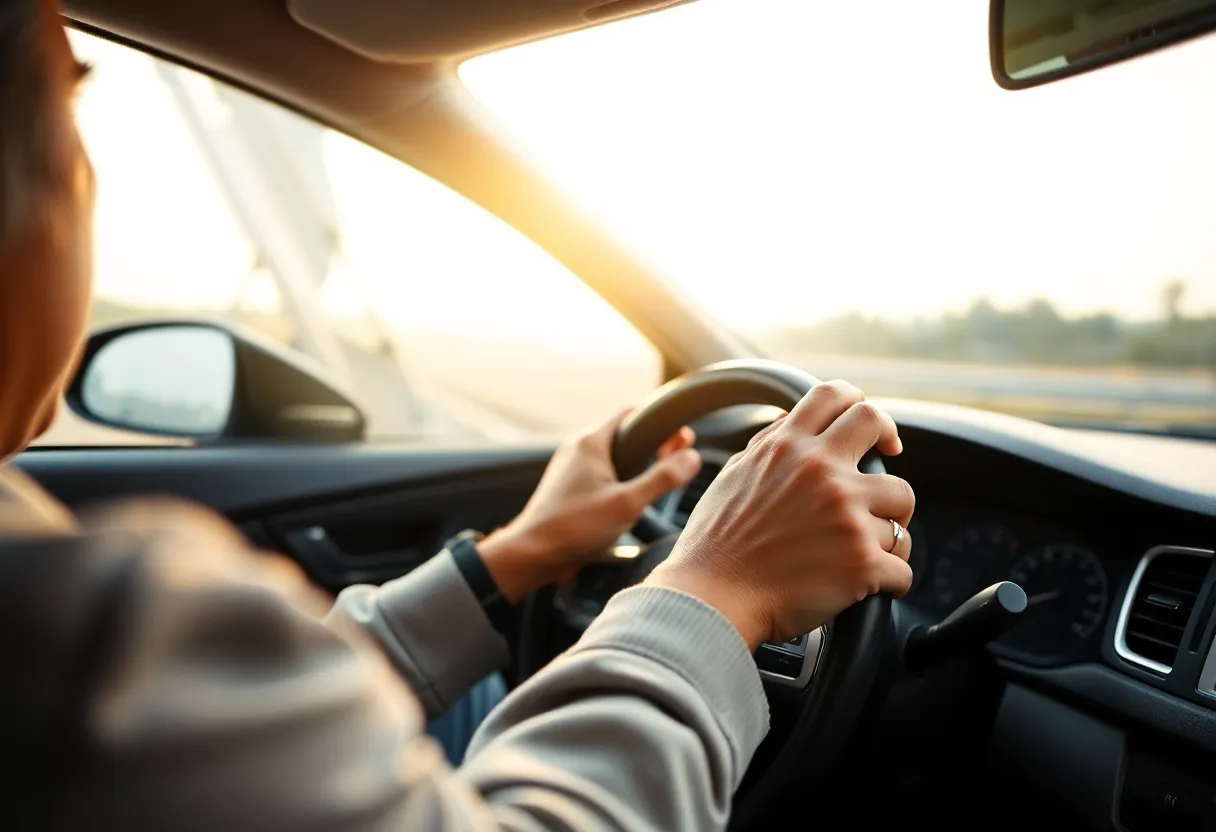
Manual driving on a familiar commute keeps a single responsibility model. You never wonder whether the car still “sees” the faded line after the construction barrels. You pay with continuous attention cost—lane boredom, tension in the neck, the temptation to look at the phone anyway because humans also fail open.
Manual is not automatically safer. Fatigued manual driving on a repetitive corridor is its own hazard class. The point is not purity. The point is knowing who is captain when the scene changes.
Handoffs: the actual risk surface
A handoff is any moment control responsibility moves between human and machine without a clean shared mental model. Common flavors:
- System-initiated: “Take over immediately” after lost lane lines, sensor blindness, or ODD exit.
- Human-initiated: you grab the wheel to avoid a merging truck the system was slow to respect.
- Silent drift: you think the system is engaged; it already dropped to cruise-only or off.
- Attention theater: torque nagging or camera monitoring that trains you to perform compliance without scene awareness.
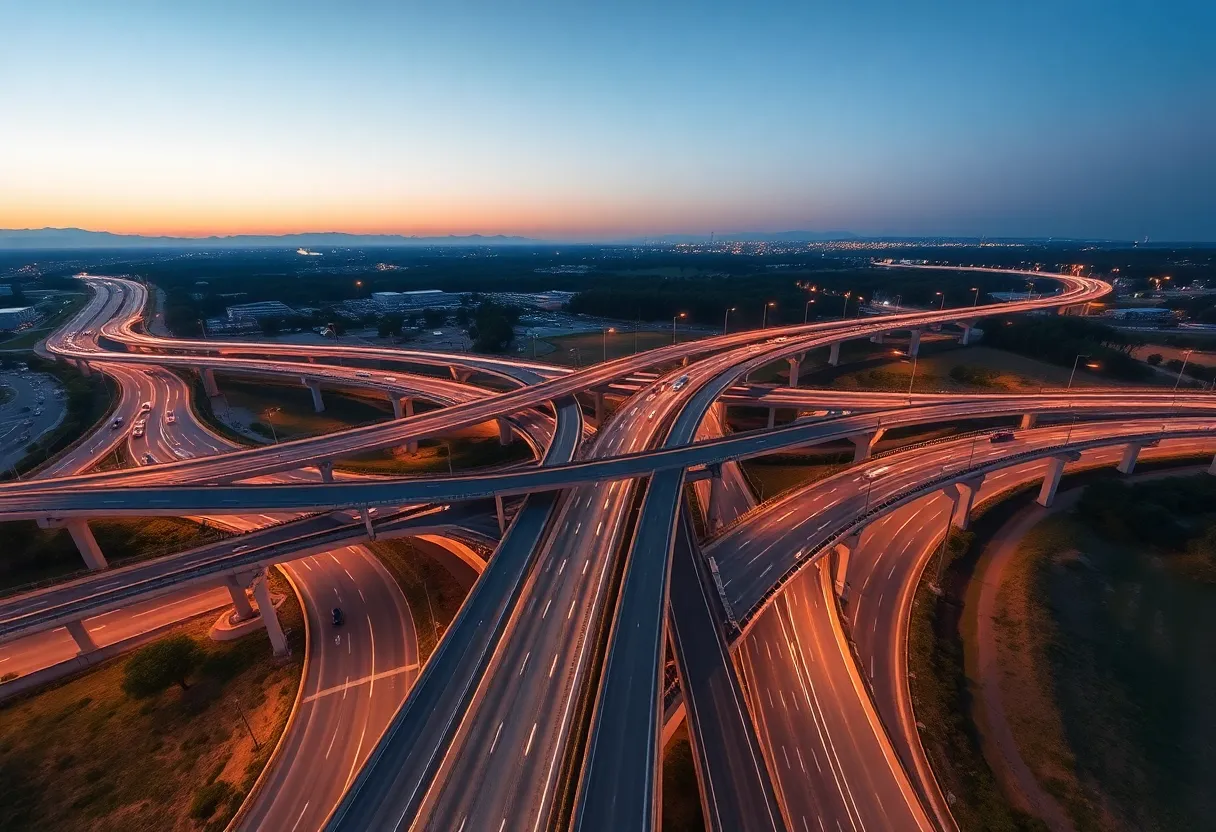
Risk concentrates where time is short. A calm assist on a clear interstate is not the same product as a sudden handback in a weave lane at dusk. If your commute includes those weaves, measure the system by its worst handoff of the week—not by its best Tuesday.
This is why autonomy demos and supervised assist feel related but are not interchangeable. The deeper stack questions—perception, prediction, planning under uncertainty—are what make clean handoffs hard, the same family of problems that keep full self-driving elusive outside constrained domains.
Commutes that favor assist
Long, well-marked stretches with rare merges, predictable traffic, and low construction churn. Drivers who stay eyes-up and treat nagging as a floor, not a ceiling. People who will disengage early when rain films the camera or the sun hits at a hostile angle.
If your assist reduces shoulder tension without inviting a second screen, it is doing real ergonomic work. Comfort is allowed to matter when it does not purchase complacency.
The boredom paradox
Assisted driving can lower workload until the remaining workload is watching a system that is usually fine. Humans are bad at monitoring usually-fine systems. That is not a personal failing; it is vigilance research 101. Counter it with engagement strategies that do not steal eyes: narrate hazards out loud, set a radio that keeps you verbal, change seating micro-posture, or simply drive manually for a segment when you feel the glaze start. Glaze is a disengage criterion.
Some drivers use assist only in true stop-and-go, then drive manually at free-flow speeds. Others invert that. Match the mode to where your attention fails—not to where the brochure looks prettiest.
Commutes that favor manual (or earlier disengage)
Busy weave sections, frequent temporary markings, aggressive merge cultures, fog, heavy spray, or corridors where you already distrust the paint. Also: days when you are so tired that assist would become a nap enabler. If the feature would make you less safe by inviting zoning out, skip it. Manual fatigue is honest; assisted fatigue can be sneaky.
Designing your personal handoff protocol
- Decide engagement zones on your route—literally, which miles.
- Disengage before known bad paint or exits; do not wait for the chime.
- Keep hands ready, not decorative.
- No secondary tasks that need visual focus. Audio is the ceiling for most people.
- After any urgent handoff, leave the system off until you feel re-settled.
Write the protocol when you are calm. Follow it when you are late. Lateness is when people accept sloppy handoffs.
Office parking lots and the false end of the problem
Many “highway assist” stories quietly include the last urban miles after the exit. That is where systems drop out and humans inherit speed, bikes, and surprise turn lanes with zero warm-up. Build a buffer: after disengaging for the exit, take ten conscious seconds to re-own the car before the phone buzzes about the meeting you are late to. The handoff risk is not only on the interstate paint. It is the cognitive gear change into surface streets.
Passengers change the equation too. Conversation can keep you alert or distract you from the cluster of brake lights that needs a human decision. Agree on cabin norms: assist on is not movie time. If someone needs a screen, they are not the attention system—you are.
Metrics that are not marketing
Count surprise handoffs per week. Count near-merges where you intervened. Count times you were unsure whether assist was active. If those numbers rise, your commute changed or your trust did—either way, recalibrate. A feature that needs constant heroic saves is not assisting; it is auditioning.
Also notice emotional residue. If you arrive more wired after assisted days because of startle events, the comfort pitch failed for you. Manual may be lower variance for your nervous system even if it asks more continuous work.
Training effects and skill fade (real, but don’t mythologize)
Heavy assist users sometimes feel rustier in crosswinds or tight lane changes. That does not mean you must suffer without assist forever. It means schedule some manual highway segments on purpose—especially in rain—so your hands remember the car’s weight. Skill fade is gradual. Handoff startle is sudden. Train for both.
New owners should not learn the system’s limits on the worst commute of the month. Take a calm weekend loop. Force disengagements. Hear the warnings when stakes are low. Then encode your weekday protocol.
Liability and narrative (briefly, practically)
Supervised systems still put the responsible human in the legal story in most consumer contexts. That does not settle engineering ethics, but it should settle your attention budget. Do not outsource blame in your head. Outsource torque—not duty.
When incidents happen, narratives get simple fast: “the Autopilot crashed” versus “the driver was distracted.” Reality is often a messy handoff. Your personal practice should assume the messy version. That assumption keeps you sharper than any slogan.
Decision rule
Use highway Autopilot-class assist on the boring middle of a commute you have mapped for clean engagement, and own the handoffs at the edges by disengaging early. Drive manually when the corridor’s messy parts dominate the clock or when you cannot guarantee attention. The actual risk is not “robots versus humans” as a slogan. It is shared control without shared timing. Make the timing yours.
If you only remember one practice: treat the chime as a late warning, not a plan. Your plan is the mile markers where you already decided who is driving. Review those markers quarterly—construction seasons rewrite ODDs even when your car software stays put. The commute you mapped in April is not the commute in July orange-barrel season.