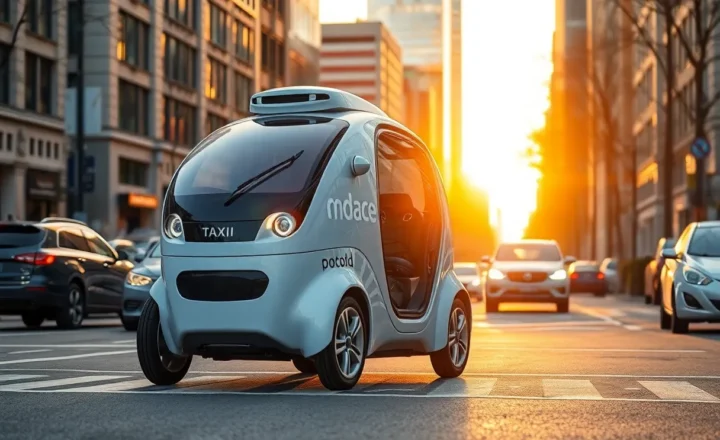
Rain and a robotaxi vs the same trip with a human driver: which one cancels and which one just arrives late

Sofia Reyes
September 23, 2026
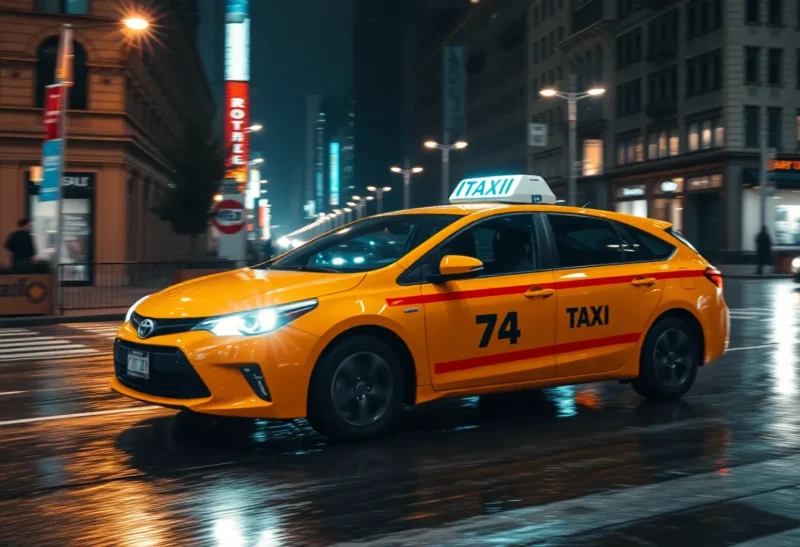
Rain rearranges urban mobility. Streets slick, sensors noisy, humans late, apps surge. When you need the same trip in a downpour — home to office, office to dinner, airport to hotel — the question is practical: will the robotaxi cancel, or will a human driver simply arrive late?
Neither answer is universal. Weather policies, fleet positioning, and driver incentives differ by city and night. The pattern that keeps showing up in early robotaxi markets is still useful: autonomy often becomes more conservative when perception gets hard, while humans keep accepting trips with worse ETAs and messier pickups. Conservatism can look like a cancel. Human grit can look like a forty-minute wait in the wet.
This is not a verdict on whether AVs are “safe in rain.” It is a passenger-operations comparison for the trip you already planned.
What rain does to robotaxi operations
Lidar, cameras, and radar all degrade somehow in heavy rain: spray, reflections, reduced contrast, blocked lenses. Modern stacks handle light rain routinely. Heavy cells, standing water, and chaotic glare push systems toward slower speeds, wider following distances, and more remote-assist interventions. From the curb, that can feel like the car will not show, will not enter your street, or will cancel after a long “finding your ride.”
Operators also set weather envelopes. A service may pause new trips in a zone during severe weather even if parked cars could physically move. That is a cancel at the product layer — intentional, safety-framed, and deeply annoying if you are dressed for a meeting, not a flood.
Geofence edges get sharper in rain. A pickup the AV accepted yesterday on dry asphalt may be refused when curb visibility drops or when flooding risk appears on a mapped low spot.

What rain does to human drivers
Human rideshare supply often shrinks in storms — drivers stay home — so wait times jump. Those who remain accept trips they might regret: flooded underpasses, highway spray, passengers soaking the back seat. Humans cancel too, especially after long unmatched waits, but the cultural default is “I’ll try” at a worse ETA.
Late arrival is the common human failure mode in rain: traffic slows, crashes block lanes, airport queues explode. You still have a car assigned more often than with a paused AV zone — you just leave earlier or miss the reservation.

Cancel versus late: a useful stereotype (with caveats)
Robotaxi tendency in hard rain: higher chance of no-trip — pause, cancel, or refused pickup — especially at map edges, complex curb cuts, and during peak storm cells. When the trip proceeds, it may be slower and more cautious, which can still beat a cancel.
Human driver tendency in hard rain: higher chance of late — long ETA, creeping progress, last-minute reroutes — with a lower chance of a clean system-wide pause. Individual cancels still happen when drivers avoid bad neighborhoods of weather.
Your city may invert this on a given Tuesday. Treat the stereotype as a planning prior, not a law.
How to choose before you step outside
- Check the robotaxi app’s weather / service status banners before you commit.
- Price a human rideshare ETA in parallel; do not wait until the AV cancels at minute eighteen.
- Move the pickup pin to a well-lit major street if your usual alley is a spray tunnel.
- Build a walking backup to transit if both modes look cursed.
- For airports, leave the margin of a storm, not the margin of a sunny demo video.
If you already rely on robotaxi for a repeated commute inside the geofence, rain is exactly when the “trips it still will not take” list expands. Keep the human-app backup logged in.
Comfort and dignity on the curb
Cancels hurt more in rain because shelter is scarce. A late human car at least gives you a progress bar and a license plate to stare at under an awning. An AV that vanishes from the map after twelve minutes strands you without a narrative. Operational transparency — “service paused in your area due to weather” — is kinder than a silent fail.
Bring the umbrella either way. Neither stack controls the sky.
Safety theater versus real trade-offs
Passengers sometimes prefer the AV cancel because a hyper-cautious robot feels safer than a human speeding through spray. Others prefer the human because making the meeting matters more than ideal following distance. Both preferences are legitimate. The product job is to make the trade-off visible early: cancel now with time to rebook, or commit to a slow AV trip with a realistic ETA.
Regulators and operators will keep tuning weather thresholds. Expect policy to lag the last bad storm and then overcorrect.
A simple decision rule for storm days
If the robotaxi shows “unavailable” or a ballooning match time while human rideshare still has cars, take the human and accept lateness. If both show long waits, leave earlier or reschedule. If the AV is available with a sober ETA and your pin is on a major street, the cautious robot may be the calmer ride — just not always the one that shows up.
Do not moralize the choice. Moralize leaving on time when the radar is red.
If your city publishes flood-prone street lists, avoid pinning pickups there in storms regardless of mode. A human may still attempt it; an AV may refuse it; you should not request it. Move the meeting point to higher ground and tell your party the pin changed. Higher ground is not drama; it is how you keep both modes able to reach you without swimming through the flooded block.
Bottom line
In hard rain, robotaxis are more likely to cancel or refuse; human drivers are more likely to accept and arrive late — with plenty of local exceptions. Plan dual apps, earlier departures, and better pickup pins. The storm does not care which stack you prefer; it only cares whether you built margin.
When the streets shine and the apps lie, the winner is whoever gets you under a roof without a story you have to explain at the door.
Airport and event edge cases
Airports in rain combine surging demand, constrained pickup curbs, and stressed AV geofences around terminals. Human drivers know the improvisational loops; AVs may be limited to official lots that add a shuttle walk through the wet. Budget the walk as part of the mode choice. A “cancel” here can mean “walk to the approved lot in the rain,” which is a different pain than a clean no-car.
Stadium let-outs in storms are human-driver chaos with surge pricing. Robotaxis may throttle entry to avoid gridlock they cannot socially bull through. Neither mode is graceful; the less bad option is often leaving early, not picking a stack.
What “late” costs versus what “cancel” costs
Late burns calendar: missed soft starts, spoiled dinner reservations, childcare overtime. Cancel burns certainty: you must restart matching cold, sometimes after your dry window under the awning is gone. In rain, cancel often costs more emotionally and practically than a known twenty-minute delay — unless the delay is unbounded.
Ask for ETAs that update honestly. A human pin crawling toward you is information. An AV that flickers between “arriving” and “looking for another car” is a cancel with manners.
If you travel with kids or mobility aids, prefer the mode that commits earlier even if slower. Restarting a match with gear on a flooded curb is how nights go wrong.
Local knowledge still wins arguments
Follow local outage and weather channels for your robotaxi operator. Some cities pause more aggressively than marketing implies. Some human markets empty out so badly that the AV, when available, is the only car left. Your prior should update with neighborhood experience, not with national thinkpieces.
After each storm, note what happened in a two-line log: mode, cancel/late, minutes late, would-repeat. Ten storms later you will know your city’s real rule better than this essay.
Etiquette when you do get a car
Shake the umbrella outside. Say if you are soaked so the driver (or the AV’s cleaning cycle) is not surprised. Tip humans for storm bravery when your culture and app allow it. Do not berate an AV for a weather pause it did not invent; open the human app instead of writing a novel in support chat while standing in a gutter.
If you cancel a human after they have already fought traffic toward you, expect ratings drama. In storms, commit earlier and change plans less. Indecision multiplies wet minutes for everyone.
Companies will keep publishing rainy-day highlight reels of smooth AV rides. Believe the reels as existence proofs, not as schedule guarantees. Your meeting does not care that a robotaxi once crossed a puddle on camera.
Pack a compact rain shell even when the forecast is “maybe.” The best mobility stack still loses to a cold wait in cotton. Self-driving does not dry your shirt. Neither does a five-star human rating. Dry layers are still the highest-ROI storm accessory you can buy.