A portable 120-volt EV charger vs a 240-volt install in a rental: what you can take when you move

Sofia Reyes
September 23, 2026
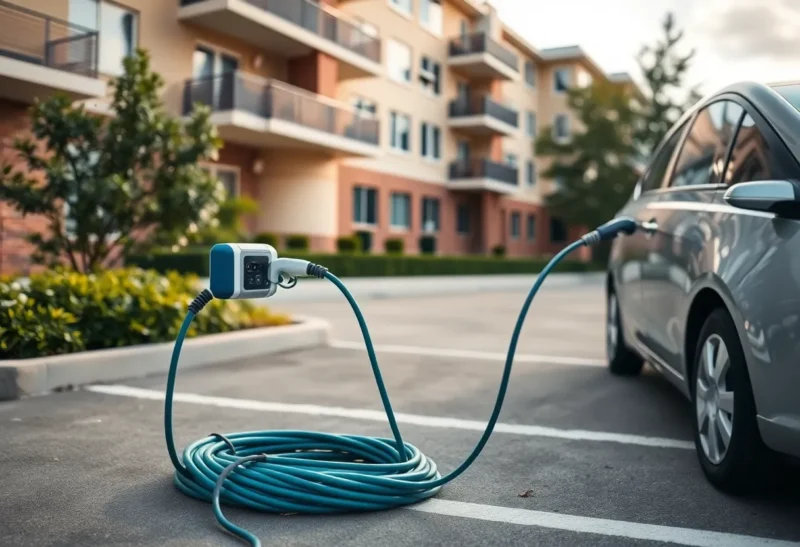
Renters learn EV charging the hard way: the car is mobile, the best charger often is not. A portable 120-volt “Level 1” cord that lives in the trunk goes with you to the next lease. A hardwired 240-volt Level 2 install in the garage becomes a gift to the landlord — or a negotiation you lose when you hand back the keys.
The fork is not only speed. It is capital you can carry versus capital you leave in the walls. For many rentals, the portable cord is the only legal, recoverable option. For longer leases with a friendly owner and a real parking spot, a 240-volt install can still pay — if you plan the exit on day one.
What you can actually take when you move
Portable 120 V EVSE (the “granny charger” or travel cord): packs in a bag, plugs into a standard outlet (with caveats about circuit quality), travels to hotels, relatives, and the next apartment. You own it outright. Miles per hour of charge are low — often ~3–5 miles of range per hour depending on the car and outlet — but overnight can cover a modest commute if you plug in every night.
Portable 240 V EVSE with a plug (NEMA 14-50, 6-50, etc.): still movable if the next place has a matching receptacle. Many “portable Level 2” units are what frequent movers should prefer over hardwired boxes — if and only if outlets exist or can be added as landlord-owned receptacles you are allowed to use.
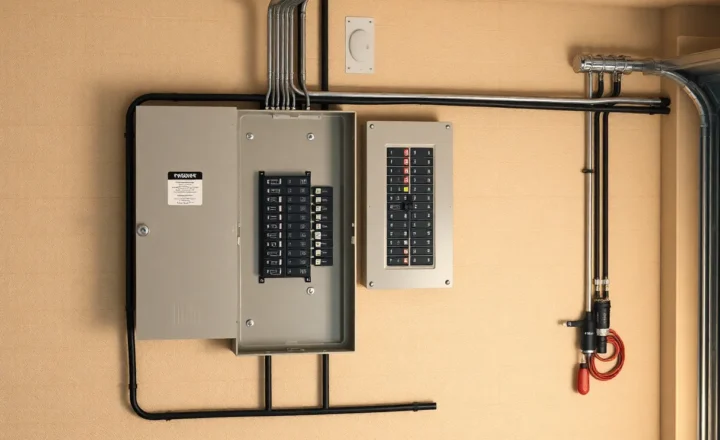
Hardwired 240 V wall unit: usually stays. Removing it may require patching, electrician time, and landlord approval. Some leases treat alterations as permanent improvements. You might negotiate buyback or leave-it-behind credit; do not assume.

120 V portable: the renter’s default
Pros: movable, cheap compared with install, no electrician required for a healthy dedicated outlet, works in many parking situations if an outdoor GFCI outlet is available (permission still matters).
Cons: slow. A 40-mile day may need most of the night. Shared laundry circuits, extension-cord temptation, and undersized outdoor outlets create trip and heat risks. Landlords may forbid running cords across walkways. You are trading install freedom for discipline and patience.
Safety non-negotiables: no cheap random extension cords; use manufacturer-approved cords if any; prefer a dedicated circuit; stop immediately if the plug or outlet is hot. “It fits” is not the same as “it is rated.”

240 V install in a rental: when it still makes sense
Consider a hardwired or landlord-owned 14-50 install when:
- Your lease is long (12–24+ months) and renewal is likely
- Daily miles make Level 1 painful (long commute, cold climate, only evening park)
- The landlord will own the receptacle/EVSE and you pay only for use — or they approve a removable plug-in EVSE
- You get written permission and clarity on who pays to restore the wall later
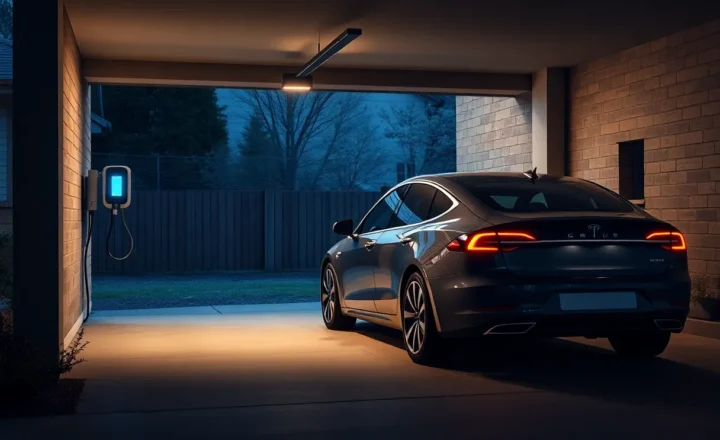
A plug-in Level 2 EVSE on a landlord-installed NEMA outlet is the sweet spot for many renters: faster charging, gear that leaves with you, infrastructure that stays as a building amenity.
Pure hardwired installs that you pay for without a removal plan are how people donate $1,000+ of electrician work to someone else’s property value.
Permission is the real product
Before buying hardware, get answers in writing:
- May I use outdoor outlet X overnight?
- May I install a NEMA 14-50 on circuit Y at my expense / your expense?
- Who owns the hardware at move-out?
- What restoration is required?
HOA and apartment rules can ban cords across sidewalks even when the physics work. A portable charger you cannot legally deploy is a trunk ornament.
Cost and time, without romance
Level 1 portable: low upfront, high time cost every night. Fine for short/medium commutes if you plug in religiously.
Level 2 portable on a proper outlet: medium upfront, much less nightly anxiety, still movable.
Hardwired Level 2: highest install cost, best daily convenience, worst portability. Only spend it if the lease math and written exit plan work — or if the landlord pays.
Public DC and workplace charging change the pressure. If you can top up at work, Level 1 at home may be enough. If you already rely on expensive public DC for daily miles, escaping to any reliable overnight AC — even 120 V — often beats another month of fast-charge invoices. That is the same home-versus-public cost story as home Level 2 versus public DC for commute miles, just with a slower home plug.
Moving day checklist
- Pack the portable EVSE in the car you drive away, not the “garage pile.”
- Photograph the outlet and any install you leave behind for deposit disputes.
- If you installed a receptacle with permission, confirm whether it stays (usually yes) and whether you owe patching.
- Test the next apartment’s outlet on day one — before you need a full battery Friday night.
Roommates, bills, and winter
Keep the OEM or quality aftermarket travel EVSE even if you later gain a wall unit at a future owned home. Travel cords earn their keep on road trips and visits. Do not sell the portable the week you install Level 2 somewhere you might leave.
If a roommate situation means shared billing, agree how overnight charging shows up on the utility bill before the first cold month. Surprises about “who used 200 kWh” destroy more rental EV setups than slow Level 1 speeds do. A simple monthly estimate from the car’s energy screen plus the local residential rate beats an argument.
Cold weather stretches Level 1 further: cabin preconditioning and battery heating eat into the slow trickle. In winter rental life, a legal 240 V plug-in path (or workplace charging) stops being a luxury and becomes how you avoid living at the public DC station. Plan seasonal strategy when you sign the lease, not during the first freeze.
Finally, insurance and liability: running unauthorized cords that create trip hazards can become your problem after someone falls. Permission in email is cheaper than an argument after an incident. The same goes for daisy-chained power strips that were never meant for continuous EV loads.
A decision tree you can reuse at each lease
- Is there a reachable outlet you have written permission to use overnight? If no, you are in public/workplace charging territory until that changes.
- If yes, will Level 1 cover your daily miles with overnight plug-in? If yes, buy/keep the portable 120 V cord and stop.
- If no, can the landlord install a NEMA receptacle you may use with your portable Level 2 EVSE? Prefer that over hardwiring your own box.
- Only if the lease is long, permission is written, and exit costs are agreed should you fund a hardwired unit — and even then, ask whether a plug-in model satisfies the electrician.
Repeat the tree every time you move. Hardware preferences should not outrank the new building’s rules.
What “good enough” looks like for common mileages
Under ~30 miles/day in mild weather, disciplined Level 1 overnight is often enough if you plug in every night and start evenings above a panic SOC. Forty to sixty miles/day pushes Level 1 into “always plugged in, no missed nights” territory and makes a 240 V receptacle worth begging for. Above that, or in deep cold, renters without Level 2 access should expect workplace charging or occasional public DC as part of the plan — not as a surprise.
None of those thresholds are universal. Weigh your car’s efficiency, cabin heat use, and whether you can charge at work. The point is to match hardware to miles before you fall in love with a wall unit you cannot take.
If you buy an EV while renting, negotiate charging access before you negotiate leather seats. A beautiful car with nowhere to sleep on electrons becomes a public-charging subscription with a steering wheel. Ask building management whether any NEMA outlets already exist in the garage — sometimes a prior tenant already paid for the receptacle you need.
When you leave, take the cord, leave the goodwill. A clean uninstall and honest walkthrough makes the next renter’s EV life easier and keeps your deposit conversation boring — which is the correct kind of boring. Future you, opening a new lease with a cable already in the trunk, will thank present you for not marrying the wall.
Bottom line
In a rental, what you can take when you move is the portable cord (120 V, or 240 V plug-in if outlets exist). Hardwired 240 V is for landlords, long leases with written plans, or owners. Optimize for recoverable hardware and permission first; speed second. The fastest charger you cannot take — or cannot legally use — is the wrong charger for a lease.