Hydrogen vs Batteries for Long-Haul Trucks—Where the Real Fight Is

Jordan Lee
February 24, 2026
If you’ve been following the race to decarbonize freight, you’ve heard the same two options over and over: batteries or hydrogen. For long-haul trucks—the rigs that move goods across continents—the debate isn’t just technical. It’s about where we put our money, how we build infrastructure, and who wins the next decade of heavy transport. Here’s where the real fight is, and why the answer is messier than the headlines suggest.
Why Long-Haul Is Different
Passenger cars are steadily going electric. Delivery vans and short routes are already a good fit for batteries. Long-haul trucking is different. We’re talking about 500–800 miles in a day, massive payloads, and tight schedules. Every minute at a charging or refueling stop costs money. Range, weight, and refill time aren’t nice-to-haves; they’re the core economics of the job.
Batteries have a clear advantage in efficiency: you put electricity in, you get most of it back at the wheels. Hydrogen fuel cells turn electricity into hydrogen, then back into electricity, so you lose more energy along the way. That “round-trip” penalty is real—green hydrogen often starts with electrolysis, then compression or liquefaction, then conversion back to electricity in the truck. Each step costs energy and money. Advocates for batteries point to this and say the case is closed: why build a whole new fuel chain when we can just plug in?
But efficiency isn’t the only variable. Weight matters. A battery big enough for 500 miles of hauling can eat a big chunk of payload. Every extra kilogram of battery is a kilogram you can’t use for cargo. Hydrogen tanks and fuel cells are heavy too, but the energy density of hydrogen can mean less total weight for the same range—depending on how you count and what tech you use. So the “batteries vs hydrogen” story for long-haul is really a fight over range, payload, infrastructure, and cost, all at once. The “right” answer depends on which constraint you’re most worried about today.
The Battery Side: Momentum and Limits
Electric semis are already on the road. Companies like Tesla, Freightliner, and Volvo have battery-electric Class 8 trucks in production or pilot. The pitch is simple: use the same grid we’re already building for cars and industry, plug in at depots and along corridors, and avoid an entirely new fuel supply chain. For many routes, especially those with predictable stops and time for charging, that’s enough.
The catch is charging time and grid demand. Fast-charging a 500–800 kWh truck in under an hour means megawatt-scale chargers. Deploying those in quantity will stress local grids and require serious upgrades. And even with 30–45 minute “refill” times, drivers and fleets have to plan around those stops. For runs where every hour counts, or where charging corridors don’t exist yet, batteries hit a ceiling.
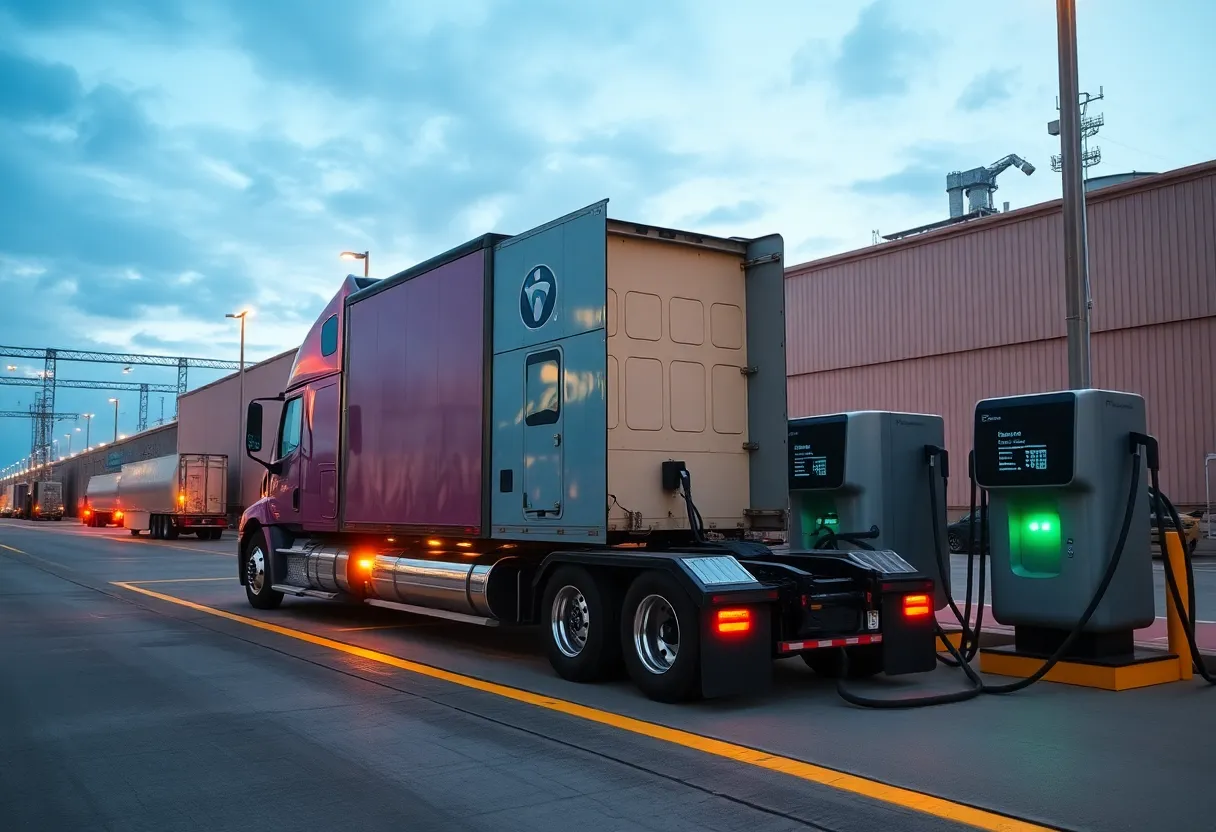
So the real battle for batteries in long-haul isn’t just “can we build a big enough pack?” It’s “can we build enough megawatt charging, and can the grid and the business model support it?” Where the answer is yes, batteries will win. Where it’s no—or not yet—hydrogen gets a window.
The Hydrogen Side: Speed of Refill, Cost of Build-Out
Hydrogen’s main selling point for long-haul is refill time. Fill a tank in 10–15 minutes and you’re back on the road. That matches the diesel experience operators already know. For fleets that run multiple shifts or tight schedules, that’s a big deal. Hydrogen also offers a path to long range without a monster battery, which can protect payload and simplify vehicle design in some cases.
The problem is the fuel itself. Green hydrogen—made from renewable electricity—is the only version that fits a decarbonization story. Today it’s expensive and scarce. Building production and distribution at scale will take years and huge investment. So we’re not really comparing “batteries today” to “hydrogen today.” We’re comparing “batteries plus today’s grid” to “hydrogen plus a hydrogen economy we haven’t built yet.” That’s why the fight is as much about policy and infrastructure as it is about the truck in the driveway.
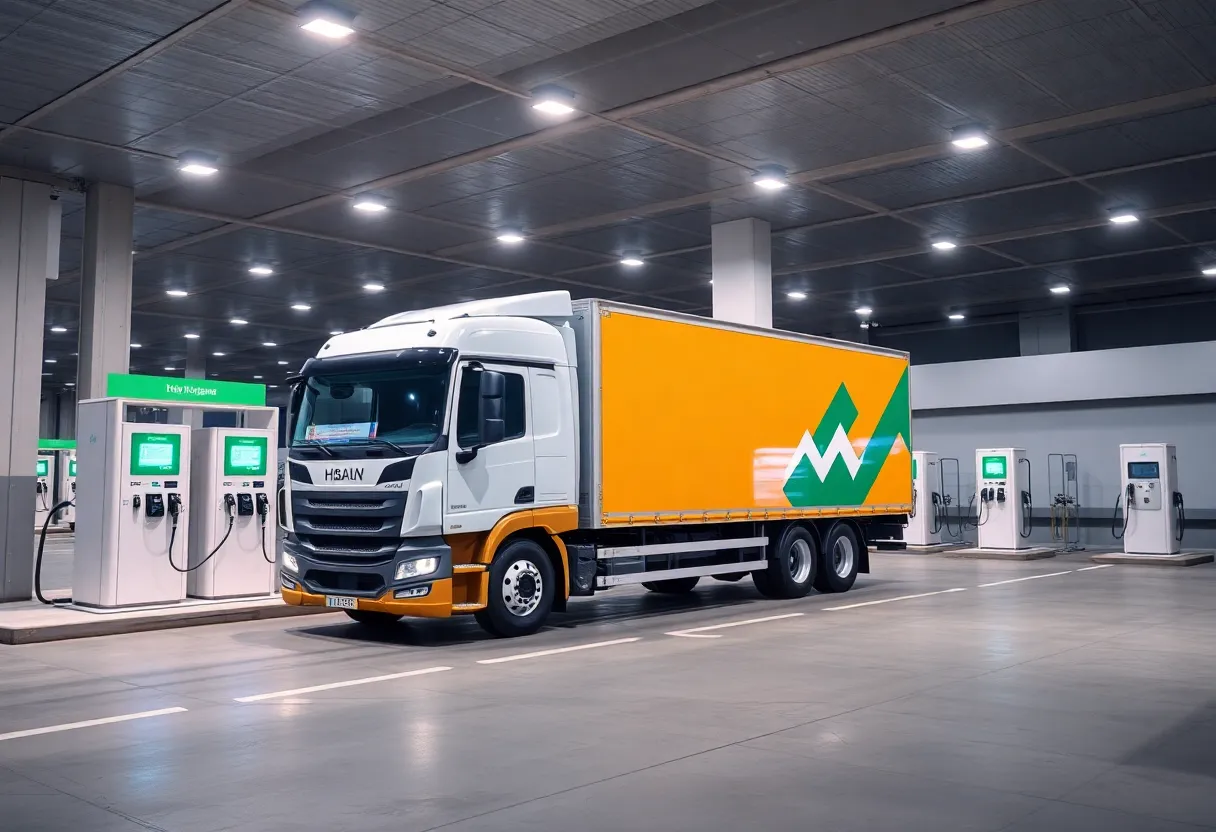
Where hydrogen is getting real traction is in corridors and regions that are explicitly betting on it: certain European routes, parts of California, and hubs around ports and industrial zones. In those places, the “chicken and egg” problem is being forced: build some trucks, build some stations, then scale. The outcome there will tell us a lot about whether hydrogen can ever be more than a niche in long-haul.
Critics of hydrogen in trucking often point to the same efficiency argument: why waste renewable electrons making hydrogen when you could use them directly in a battery? That’s a fair question when the grid is the bottleneck. But in regions with cheap, abundant renewable capacity—solar in the desert, wind offshore—there’s a counter-argument: overproduction can be turned into hydrogen and stored, then used where grid upgrades are slow or where refill time is non-negotiable. So the “hydrogen is wasteful” line is true in a narrow sense and incomplete in a system sense. The real question is whether we’ll build the infrastructure to make that trade-off worthwhile.
Where the Real Fight Is
The real fight isn’t “battery truck vs hydrogen truck” in the abstract. It’s which technology gets the right combination of vehicles, infrastructure, and operating practices in the right places first. Some corridors will go battery-heavy: dense networks, predictable routes, and grid upgrades that make megawatt charging feasible. Others will experiment with hydrogen where policy and industrial logic align. Many regions will see a mix—batteries for regional and mid-range, hydrogen or even advanced biofuels for the hardest long-haul segments.
What matters for the industry and for the planet is that we don’t treat this as a single winner-take-all race. We need both paths to be explored seriously. That means investment in fast-charging networks and in green hydrogen production and distribution. It means honest comparisons that include total cost of ownership, not just sticker price or range. And it means accepting that the “answer” will differ by route, by country, and by decade.
Fleet operators are already making those localized bets. Some are going all-in on battery-electric for their main lanes and using hydrogen only for pilot routes or specific contracts. Others are hedging with orders for both vehicle types and waiting to see where infrastructure lands. That’s rational. The worst outcome would be a policy or narrative that forces a single technology everywhere before we know which mix actually works. The best outcome is a few years of real-world data from both sides—charging curves, hydrogen station uptime, total cost per mile—so the next wave of investment goes where it’s actually needed.
The Bottom Line
Hydrogen vs batteries for long-haul trucks isn’t a puzzle with one solution. It’s a contest over where we build infrastructure, how we value refill time vs efficiency, and who pays for the transition. Batteries have the lead in deployment and in leveraging the existing grid. Hydrogen has a lead in narrative and in refill experience where stations exist. The real fight is in the corridors and the policy choices that will lock in one option—or a smart mix—for the next twenty years. Watch where the megawatt chargers and the first serious hydrogen highways go; that’s where the outcome will be decided.